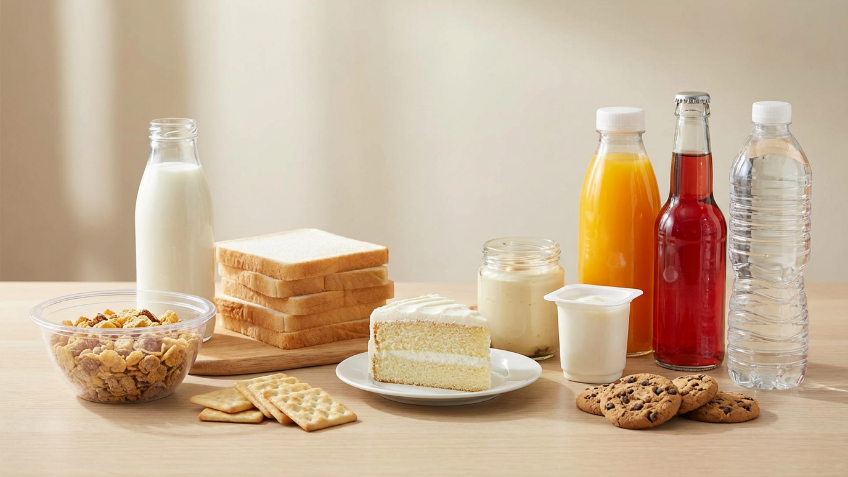
Sugar does more than sweeten the product. It contributes to structure, mouthfeel, and shelf life. Removing it can affect the entire formulation. This creates a clear challenge. How do you reduce sugar without compromising product quality?
Sucralose offers a practical solution. It delivers high-intensity sweetness without the caloric load of sugar, and it performs reliably across a wide range of food applications. For this reason, it has become one of the most widely used sweeteners in modern food production.
What Is Sucralose?
Sucralose is a high-intensity artificial sweetener derived from sucrose. Through a controlled chemical process, three hydroxyl groups in the sugar molecule are replaced with chlorine atoms. This structural change increases its sweetness while altering how the body processes it.
As a result, sucralose is approximately 600 times sweeter than sugar but contributes virtually no calories. It is not broken down for energy in the same way as sucrose. Instead, it passes through the body largely unchanged.
From a formulation perspective, this makes sucralose particularly useful in products designed for reduced sugar or calorie content. It provides sweetness without affecting blood glucose levels, which is an important consideration in many consumer markets.
According to the European Food Safety Authority (EFSA), sucralose has been extensively evaluated and is considered safe for consumption within established intake limits. Its approval across multiple regulatory bodies has supported its widespread adoption in food manufacturing.
Why Sucralose Is Widely Used
Sucralose is not simply a sugar substitute. Its functional properties make it a versatile ingredient for product development.
- High Sweetness Intensity: Because sucralose is significantly sweeter than sugar, only a small amount is needed to achieve the desired level of sweetness. This allows manufacturers to reduce sugar content while maintaining taste.
- Stability Under Heat: Unlike some alternative sweeteners, sucralose remains stable at high temperatures. This makes it suitable for baking, pasteurisation, and other heat-based processes. It retains its sweetness even after exposure to prolonged heating.
- Clean Taste Profile: Sucralose provides a clean, sugar-like taste. It does not typically produce the bitterness or aftertaste associated with certain other sweeteners. This makes it easier to incorporate into products where flavour clarity is important.
- Shelf Stability: Sucralose maintains its sweetness over time. It performs well in products with long shelf lives, including beverages, processed foods, and packaged goods. These characteristics explain why sucralose is widely used across different categories. It offers both formulation flexibility and consistent performance.
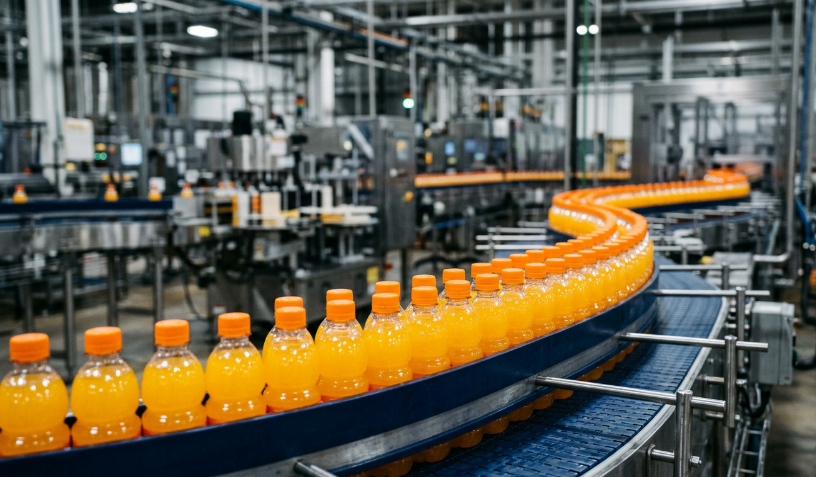
Common Food Uses of Sucralose
Sucralose appears in a wide range of food and beverage products, particularly where sugar reduction is a priority.
- Beverages: Soft drinks, flavoured water, and ready-to-drink beverages commonly use sucralose to deliver sweetness without adding calories. Its stability ensures that the taste remains consistent throughout storage.
- Dairy Products: In yoghurts, flavoured milk, and chilled desserts, sucralose helps maintain sweetness while reducing sugar content. It is often used alongside other ingredients to balance texture and mouthfeel.
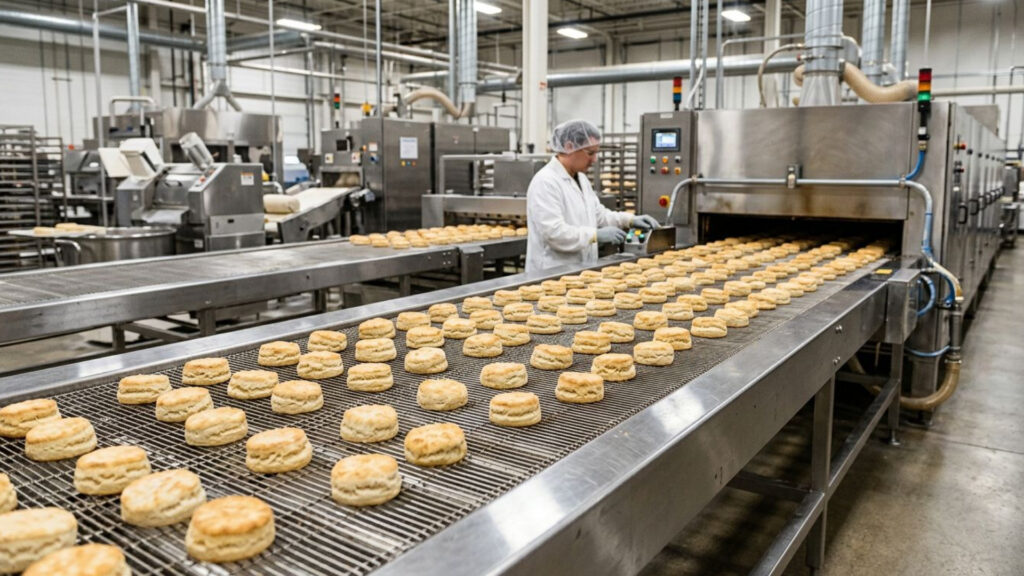
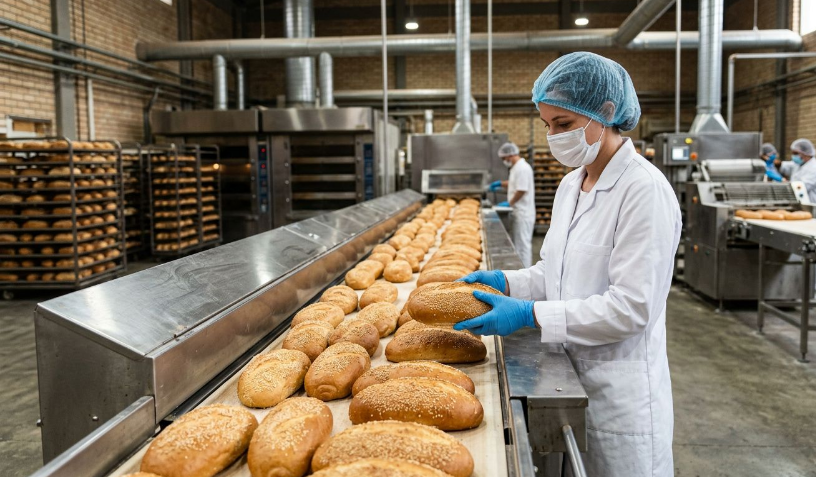
- Baked Goods: Sucralose can withstand high baking temperatures, making it suitable for cakes, biscuits, and pastries. However, because it does not provide bulk like sugar, it is typically combined with other ingredients to achieve the desired structure.
- Confectionery: Sugar-free sweets and chewing gum frequently use sucralose for its clean taste and long-lasting sweetness.
- Sauces and Processed Foods: Sucralose is also used in sauces, dressings, and ready meals to balance flavour without increasing sugar levels. In these applications, it helps maintain consistency without significantly altering the overall formulation.
Evidence from Studies
A 2021 randomised clinical trial in LWT studied overweight subjects who consumed a maqui-Citrus beverage sweetened with stevia, sucralose or sucrose for 60 days. The trial found no significant change in BMI, and it reported different glycaemic responses across the sweeteners, which shows why manufacturers should consider the nutritional context of the full formulation rather than the sweetener alone.
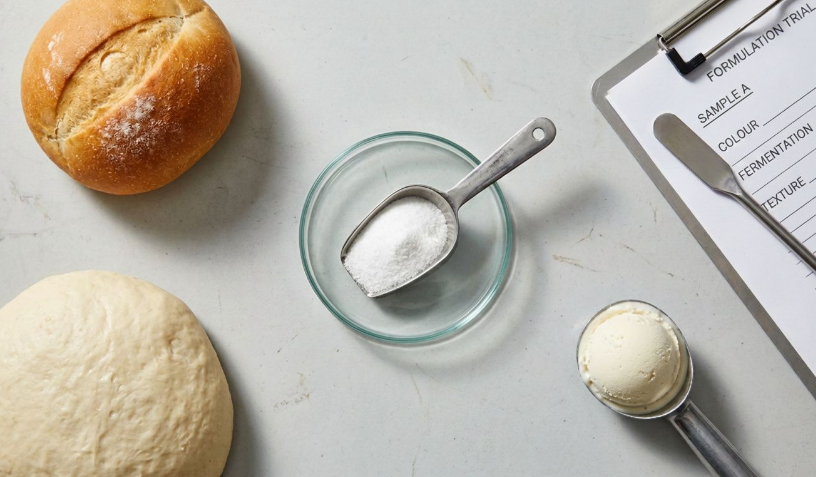
For bakery systems, a 2012 study in LWT - Food Science and Technology found that dough containing sucralose showed mechanical and rheological properties close to dough without added sugars, although complete sucrose replacement still posed technical challenges. This is useful for manufacturers because it shows sucralose can support sugar reduction, but product structure still needs careful formulation work.
A 2021 paper in Toxicology Research and Application also examined sucralose in heated foods and reported that sucralose remained stable in heat-pasteurised products such as ketchup, canned fruits, dairy products and still beverages. This is important for processors because thermal stability determines whether sweetness survives pasteurisation, baking or hot-fill conditions.
Formulation Considerations
While sucralose provides sweetness effectively, it does not replicate all the functional roles of sugar. This is an important consideration in product development.
Sugar contributes to:
- Texture and bulk
- Browning reactions during cooking
- Moisture retention
- Mouthfeel and viscosity
Because of this, replacing sugar often requires additional ingredients. Formulators commonly combine sucralose with polyols, fibres, or other bulking agents to recreate the structure that sugar would normally provide.
Blending sweeteners is also common. In some formulations, sucralose is used alongside other sweeteners to achieve a more balanced flavour profile.
Consistency of the ingredient itself also matters. Variations in purity or composition can affect the sweetness intensity and performance. For this reason, Masda Chemical’s sucralose is designed to help manufacturers manage complex formulation challenges. By providing a highly concentrated sweetener, this ingredient allows for more efficient dosage during large-batch production.
This efficiency further reduces the need for extensive bulking agents while maintaining the desired sweetness profile. Such an approach supports the goal of creating high-quality, reduced-sugar options that meet consumer expectations for taste and performance.
Safety and Regulatory Status
Sucralose has been extensively studied and is approved for use in many countries.
Regulatory bodies such as the U.S. Food and Drug Administration and the World Health Organization have evaluated its safety and established acceptable daily intake levels. The EFSA reconfirmed sucralose’s safety at the established acceptable daily intake of 15 mg/kg body weight per day.
These guidelines provide a framework for safe use in food products. Within these limits, sucralose is considered safe for consumption.
Its widespread regulatory acceptance has contributed to its use across global markets. It is commonly found in both everyday food products and specialised formulations designed for reduced sugar or calorie intake.
Advantages and Limitations
Like any ingredient, sucralose offers both advantages and limitations.
Advantages
- High sweetness with minimal usage
- No significant caloric contribution
- Stability under heat and during storage
- Clean, sugar-like taste
- Compatibility with a wide range of products
Limitations
- Does not provide bulk or structure
- Requires formulation adjustments
- Often used alongside other ingredients
Understanding these factors helps manufacturers use sucralose effectively and avoid common formulation challenges.
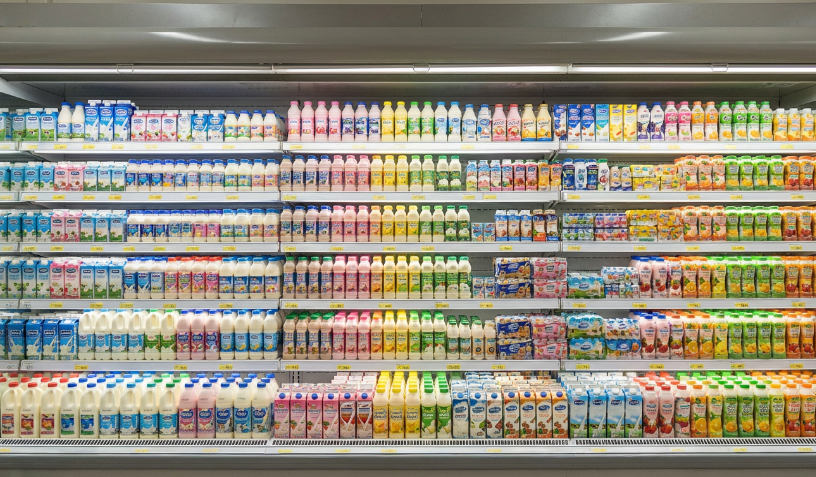
Where Sucralose Fits in Modern Food Production
The demand for reduced-sugar products continues to grow. At the same time, expectations for taste and quality remain high. This creates a need for ingredients that can support both goals.
Sucralose plays an important role in meeting this demand. It allows manufacturers to reduce sugar content while maintaining sweetness and product stability. In many cases, it enables reformulation without significant changes to processing conditions.
It also supports innovation. As product categories evolve, sucralose provides flexibility in developing new formulations that align with changing consumer preferences.
Rather than replacing sugar entirely, it often works as part of a broader strategy. Combined with other ingredients, it helps achieve the desired balance between taste, texture, and nutritional profile.
The Bottom Line
Sucralose offers a practical and reliable way to reduce sugar while maintaining sweetness and product performance. Its high intensity, stability, and clean taste make it suitable for a wide range of applications.
For manufacturers, the key lies in how it is used. When combined with the right formulation approach and consistent ingredient quality, sucralose supports both product innovation and process efficiency.
As sugar reduction continues to influence product development, taking a closer look at how ingredients like sucralose function within your formulation can help improve both consistency and overall product quality.