
Chemical Composition and Source
Sucralose (C₁₂H₁₉Cl₃O₈) is produced by replacing three hydroxyl groups in sucrose with chlorine atoms, resulting in a compound approximately 600 times sweeter than sugar but with minimal caloric value. This structural modification renders it resistant to enzymatic digestion, allowing it to pass through the body largely unmetabolised. Its high stability under heat and acidic conditions makes it suitable for baking and processed foods.
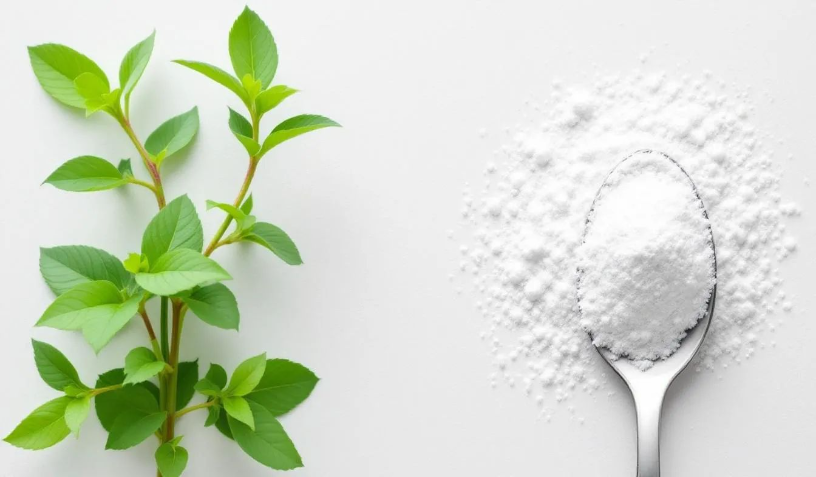
In contrast, Stevia derives from steviol glycosides, natural compounds found in the Stevia rebaudiana plant. The two primary glycosides, stevioside and rebaudioside A, provide sweetness 200–400 times greater than sugar. Unlike Sucralose, Stevia is plant-extracted and undergoes minimal chemical processing, retaining its natural properties. Stevia’s glycosides are metabolised in the colon by gut bacteria into steviol, which is then absorbed and excreted without giving significant calories.

Metabolic Impact and Caloric Contribution
A key distinction between Sucralose and Stevia lies in their metabolic fates. Sucralose is non-caloric primarily because it is not recognised by human digestive enzymes and is excreted unchanged in faeces. However, some studies have shown that a small proportion (up to 15%) may be absorbed and subsequently excreted via urine. Importantly, its consumption does not elevate blood glucose or insulin levels, which makes it appealing to diabetics. Nonetheless, emerging evidence suggests that Sucralose may influence insulin response indirectly by affecting gut microbiota composition.
Stevia, while also non-caloric, is metabolically distinct. Steviol glycosides are broken down by intestinal microbes into steviol, which is then conjugated in the liver and excreted. Clinical data show that Stevia not only maintains glycaemic neutrality but may enhance insulin sensitivity and improve glucose tolerance, making it particularly valuable for individuals with diabetes or metabolic syndrome. In this respect, Stevia demonstrates a more favourable metabolic profile than Sucralose.
Effect on Gut Microbiota
The gut microbiome plays a crucial role in metabolic regulation, immune response, and even cognitive function. Recent research has revealed that certain artificial sweeteners, including Sucralose, may disrupt microbial balance in the gut. Studies in the PubMed Central review indicate that Sucralose alters gut microbiota composition, particularly by reducing beneficial bacteria such as Lactobacillus and Bifidobacterium, while promoting the growth of potentially harmful strains. Such dysbiosis may contribute to glucose intolerance and low-grade inflammation.
In contrast, Stevia appears to exert a modulatory or neutral effect on gut microbiota. Some studies suggest mild prebiotic potential, as certain bacterial strains can utilise steviol glycosides as a substrate. However, excessive consumption may still produce mild gastrointestinal effects in sensitive individuals. Nevertheless, in comparative terms, Stevia demonstrates a more favourable impact on the gut ecosystem than Sucralose, aligning with its natural origin and minimal chemical alteration.
Safety, Regulation, and Acceptable Daily Intake (ADI)
Both Sucralose and Stevia are approved for human consumption by major regulatory bodies, but their safety evaluations differ due to their chemical nature.
The Acceptable Daily Intake (ADI) for Sucralose is 5 mg/kg body weight/day, established by the U.S. Food and Drug Administration (FDA) and 15 mg/kg body weight/day by the European Food Safety Authority (EFSA). Studies indicate no carcinogenic, reproductive, or neurological effects within this range. However, concerns persist regarding its potential heat degradation, which may release chlorinated by-products if used at very high temperatures during baking. Moreover, long-term studies suggest that chronic consumption could influence glucose metabolism or microbiota diversity, although the evidence remains inconclusive.
For Stevia, the ADI is 4 mg/kg body weight/day (as steviol equivalents) according to the Joint FAO/WHO Expert Committee on Food Additives (JECFA). Extensive toxicological assessments reveal no mutagenic or carcinogenic potential, and its long history of use in South America and Japan supports its safety profile. However, unrefined Stevia extracts not approved by regulatory authorities may contain additional compounds with unknown toxicities; therefore, only purified steviol glycosides (≥95% purity) are considered safe for food applications.
Taste Profile and Culinary Applications
From a sensory perspective, Sucralose is known for its clean, sugar-like sweetness with minimal aftertaste. This has made it a preferred sweetener for many processed foods, carbonated beverages, and baked goods. Its stability under heat and pH extremes further enhances its versatility in commercial manufacturing.
Stevia, however, is sometimes perceived as having a slightly bitter or licorice-like aftertaste, especially in less refined forms containing stevioside. The refinement of rebaudioside A and other minor glycosides has largely mitigated this issue, resulting in modern Stevia products that taste smoother and more sugar-like. Because Stevia is heat-stable and soluble, it is suitable for hot beverages, desserts, and cooking. However, unlike Sucralose, it does not caramelise or provide bulk, limiting its functionality in recipes where sugar’s texture and browning properties are required.
Health Implications and Controversies
The health effects of both sweeteners have been extensively debated, with scientific evidence presenting a complex picture.
For Sucralose, while approved as safe, it has been associated with potential metabolic and hormonal alterations. Harvard Health notes that although Sucralose does not raise blood glucose directly, habitual consumption may increase cravings for sweetness, thereby counteracting efforts to reduce caloric intake. Some research also links chronic Sucralose exposure to insulin resistance and altered glucose absorption, though causality remains uncertain. Animal studies have raised concerns about thyroid modulation and gut dysbiosis, but these findings have not been conclusively demonstrated in humans.
Conversely, Stevia is often perceived as the healthier option due to its natural origin and potential antihyperglycaemic effects. Several studies indicate that Stevia may lower postprandial glucose levels and improve insulin sensitivity. It also exhibits antioxidant and anti-inflammatory properties, attributed to its glycosidic constituents. Some animal models show Stevia extracts may aid in lowering blood pressure and oxidative stress. However, excessive consumption may lead to mild nausea or gastrointestinal discomfort. Despite these caveats, Stevia remains one of the most studied and safest natural sweeteners available.
Environmental and Sustainability Considerations
From an environmental standpoint, Stevia offers a clear advantage. Cultivation of Stevia rebaudiana requires fewer resources than sugarcane or corn, producing minimal carbon emissions and no synthetic chemical waste. As a plant-based product, it aligns with sustainable and renewable agricultural practices.
Sucralose, on the other hand, is synthetically produced through multi-step chlorination processes involving non-renewable resources. Additionally, traces of Sucralose have been detected in wastewater and aquatic ecosystems, where it is resistant to biodegradation, raising concerns about long-term environmental persistence. These ecological factors further strengthen the case for preferring Stevia when sustainability is a consideration.
Consumer Preference and Market Trends
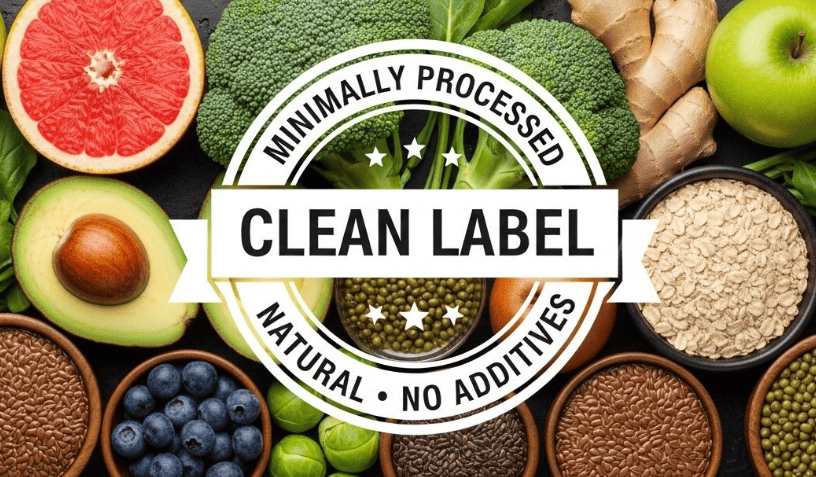
In recent years, consumer demand has shifted toward clean-label and plant-based sweeteners, driven by health awareness and sustainability concerns. As a result, Stevia-based products have seen exponential growth, particularly in the natural foods and wellness sectors. Sucralose remains dominant in the mainstream market due to its cost-effectiveness, taste consistency, and broad food compatibility. It is extensively used by global beverage brands and pharmaceutical companies due to its regulatory acceptance and sensory reliability. Nevertheless, growing consumer awareness of artificial additives has led to a gradual decline in preference for synthetic sweeteners in favour of natural alternatives such as Stevia.
Comparative Summary: Suraclose or Stevia?
| Parameter | Sucralose | Stevia |
|---|---|---|
| Source | Artificial (chlorinated sucrose) | Natural (Stevia plant leaves) |
| Sweetness vs. Sugar | ~600× sweeter | ~200–400× sweeter |
| Caloric Value | Zero | Near-zero |
| Heat Stability | Excellent | Excellent |
| Taste Profile | Clean, sugar-like | Slightly herbal/bitter (improves in purified forms) |
| Glycaemic Impact | Neutral (possible microbiota effects) | May improve glucose tolerance |
| Gut Microbiota | Possible disruption | Mildly supportive |
| Safety ADI | 5 mg/kg/day | 4 mg/kg/day (as steviol) |
| Sustainability | Synthetic, non-biodegradable | Plant-based, eco-friendly |
| Best For | Processed foods, baking | Natural health products, diabetic diets |
About Masda Chemical
Masda Chemical is a well-established company headquartered in Singapore since 1975. It operates primarily as an importer, exporter, and stockist of food ingredients and industrial chemicals. Representing a group of manufacturers and trading organisations known for their high-quality products, the company caters to diverse, specialised needs across multiple industries in the Asia region. Its extensive network includes sales offices in China, Indonesia, Malaysia, Thailand, and Vietnam, enabling efficient service and regional reach.