Detergent manufacturers can follow the same formula and still obtain a different pH or viscosity from one batch to the next. A detergent that is too thin, difficult to pump or outside its pH specification can disrupt filling, delay product release or require rework. Adding more alkali, salt or water immediately may create another problem before the reason for the variation is understood.
LABSA neutralisation often sits at the centre of these variations because it affects more than pH. The way linear alkylbenzene sulphonic acid (LABSA), a recognised chemical substance, is combined with an alkali also influences heat, mixing and the surfactant system developing in the vessel.
Manufacturers can reduce batch variation by treating pH, viscosity and processing conditions as connected controls. This article explains what to check when results move outside their targets and how to strengthen the production process without relying on repeated trial-and-error adjustments.
Key Takeaways
- Check whether the LABSA neutralisation stage reached its intended endpoint before using the final detergent pH to judge the process.
- Measure viscosity only after the batch is fully mixed and tested at a defined temperature, because salt, temperature and ingredient order can change the result.
- Record addition, mixing, temperature and testing conditions so production teams can identify what changed before adjusting the formula.
Why LABSA Neutralisation Affects More Than pH
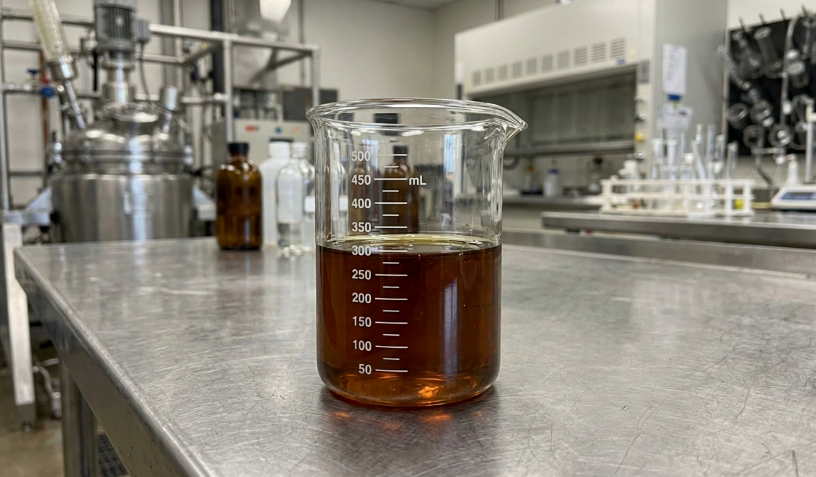
LABSA is an acidic surfactant raw material. Neutralising it with a suitable base would form an alkylbenzene sulphonate salt, an anionic surfactant used in many detergent formulations. Sodium hydroxide, for example, produces sodium salt and water.
Although the reaction is familiar to detergent manufacturers, the production result depends on the materials actually charged. LABSA acid value and active matter should be checked against the supplier specification or certificate of analysis. The alkali concentration must also match the value used in the batch calculation. A dilution error or an incorrect assumption about concentration can shift the neutralisation endpoint before other ingredients are added.
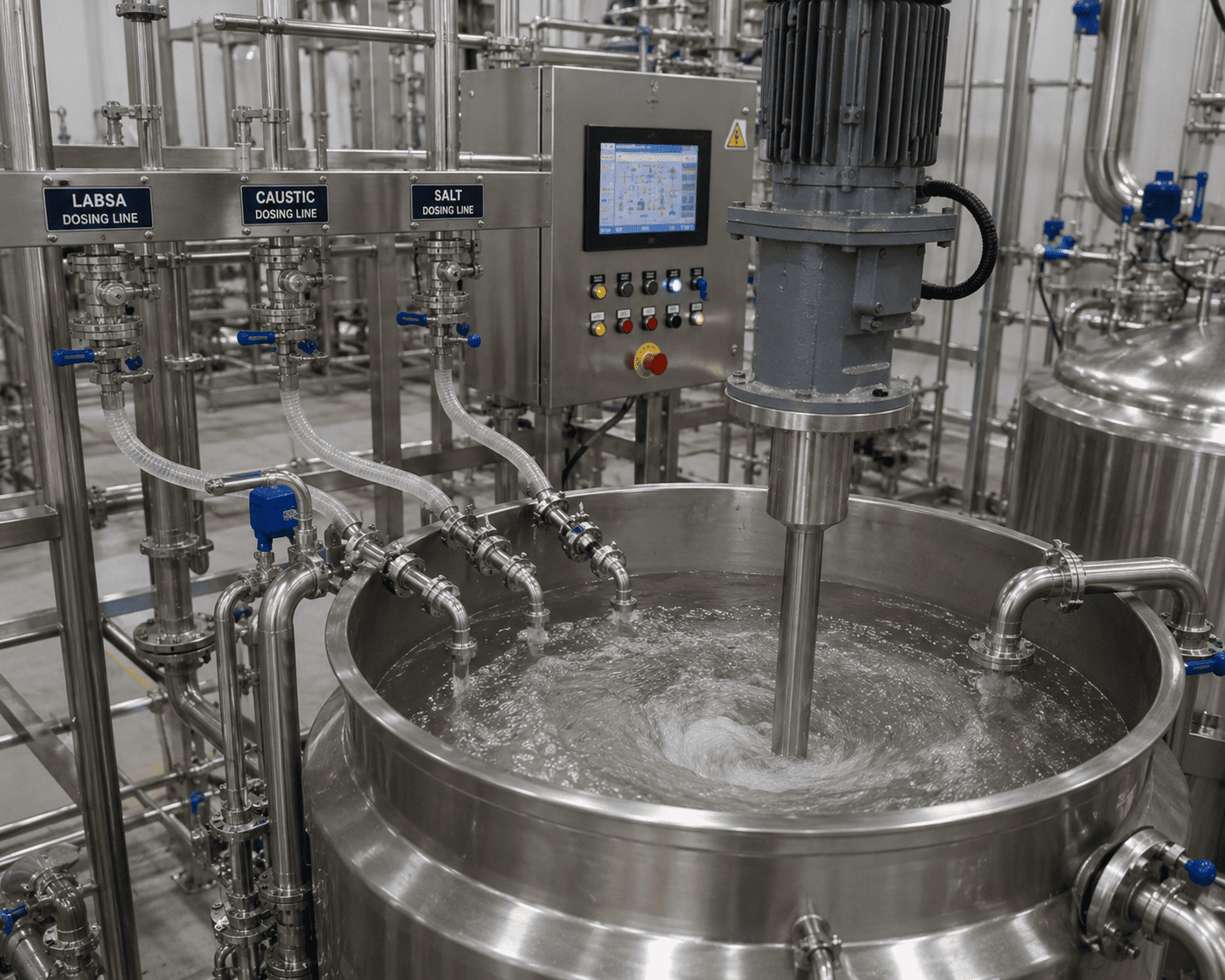
The reaction also releases heat. If concentrated acid and alkali meet faster than the mixer can disperse them, small areas of the vessel may briefly have a very different pH and temperature from the bulk liquid. In polymer-thickened formulations, published detergent process research shows how localised high alkalinity and insufficient agitation can contribute to rapid viscosity build-up. The formulation studied is specific, but it highlights why addition rate and mixing conditions should be controlled together.
Problem 1: The Batch pH Is Outside Its Target
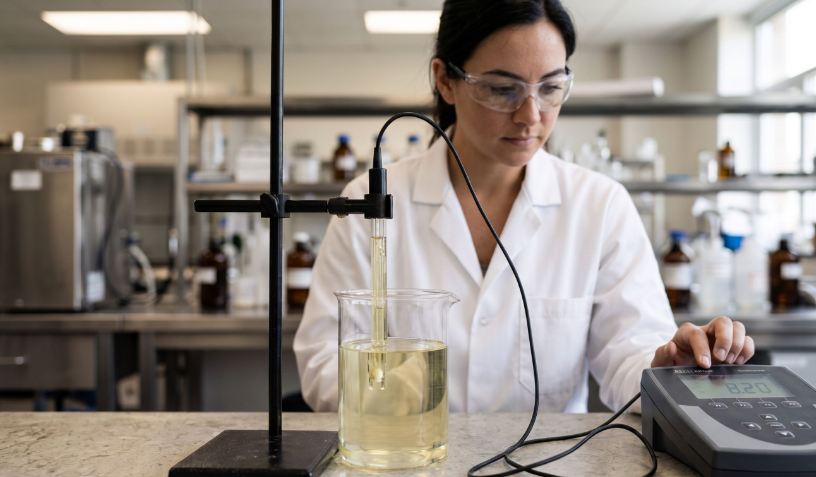
When a pH result is outside specification, first confirm that the sample represents the complete batch. A sample taken near the alkali addition point, or before the required mixing period has finished, may produce misleading readings. Adding more acid or alkali at this stage can cause the batch to overshoot its target.
Consistent measurement is equally important. ASTM International identifies pH as an important process-control variable in the chemical industry. Its standard for measuring pH in aqueous solutions describes an electrometric method using a glass electrode. However, detergent manufacturers should validate the method for their own formulation, as concentrated surfactants and electrolytes can affect how the results are interpreted.
Production and quality teams should then use the same sampling location, sample temperature and pH-meter calibration procedure for each batch. If the site uses a defined dilution method, that method should remain consistent as well. This makes it easier to distinguish a genuine process change from a difference in testing conditions.
The neutralisation endpoint and the final detergent pH should then be assessed as two related control points. Later additions, including builders, alkaline materials, acidic ingredients or pH adjusters, may change the final reading. A batch can therefore reach the intended LABSA neutralisation endpoint but still require a final pH adjustment after the formulation is complete.
If a correction is necessary, review the actual LABSA and alkali strengths and compare the quantities charged with the approved calculation. Make only the adjustment permitted by the site's validated procedure, then allow sufficient mixing before retesting. Recording each correction is important because additional alkali, acid or water may also alter electrolyte and active-matter levels.
H2: Problem 2: Viscosity Varies Between Batches
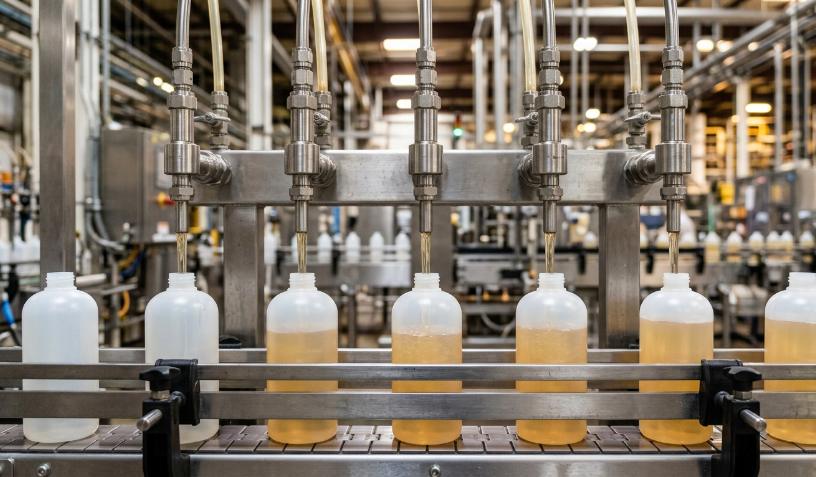
A viscosity change does not automatically mean that neutralisation was incorrect. Detergent viscosity can also respond to surfactant concentration, total water, electrolyte level, solvents, polymers and temperature. Ingredient order and mixing history add further variation, especially in formulas that develop structure gradually.
Salt adjustment is a common example. Research on surfactant salt-curve behaviour shows that electrolyte can have a non-linear effect: viscosity may rise to a peak and then fall as more salt is added. If a thin batch is already beyond that peak, adding more salt can reduce viscosity instead of increasing it.
Temperature can make the comparison equally misleading. A warm batch measured soon after neutralisation may not have the same viscosity after it cools and reaches a stable condition. Release testing should therefore specify the sample temperature and the conditioning time before measurement. Where relevant, the instrument, spindle or measurement geometry and test speed should also remain consistent.
Ingredient sequence matters because some thickeners and functional ingredients respond strongly to changes in pH or heat. An alkali-responsive polymer may thicken unevenly if the pH rises before the polymer is fully dispersed. One published liquid-detergent process adds several functional ingredients only after neutralisation. Manufacturers should not copy that sequence as a universal formula, but should validate an order that suits their own ingredients and equipment.
Before correcting an off-target viscosity, compare the batch with one that met specification. Start with the conditions most likely to change the reading: test temperature, water and electrolyte additions, ingredient order and mixing time. This comparison keeps the investigation focused and helps avoid an adjustment that masks the underlying cause.
Problem 3: The Formula Is Consistent but the Production Process Is Not
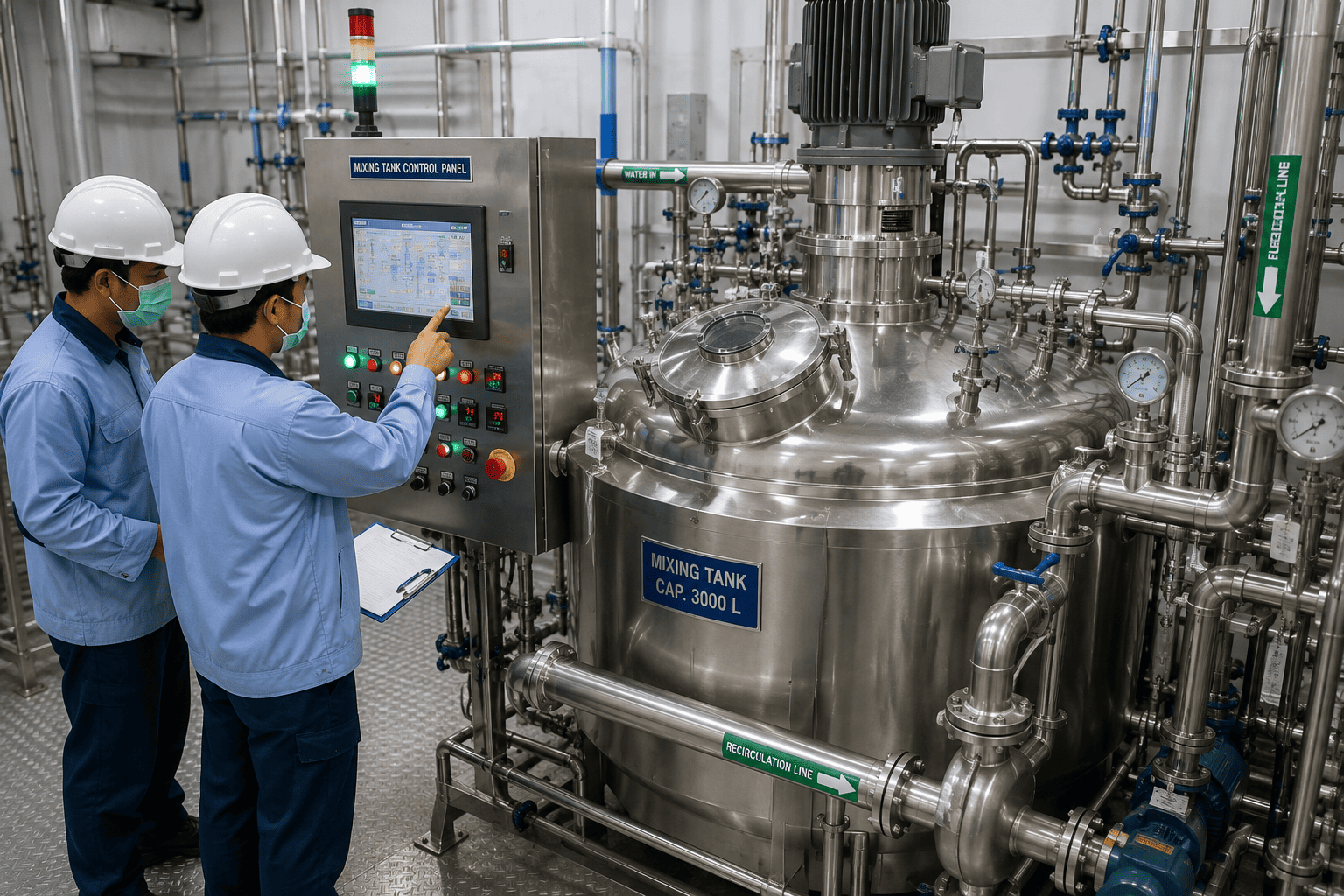
A formula may specify the correct quantities while leaving critical operating conditions open to interpretation. Directions such as “add slowly” or “mix until uniform” can produce different results across operators and shifts. The differences often become more visible at production scale, where vessel geometry, circulation and heat removal affect how quickly materials disperse.
Batch instructions should therefore define the operating ranges that influence neutralisation. These may include the addition sequence and time, the mixing or recirculation setting, the maximum batch temperature and the holding period before sampling. The appropriate ranges must come from plant trials and process validation. Published work on staged detergent neutralisation also illustrates that neutralisation performance depends on the mixing system, process stages and chosen neutralising agent.
Scale-up needs its own review. Using the same mixer speed in a larger vessel does not guarantee the same circulation or shear. Production teams should confirm that the neutralising agent reaches the full batch and that laboratory, pilot and production vessels do not develop materially different temperature peaks.
Trend data can reveal gradual movement before a batch fails. Instead of recording only pass or fail, manufacturers can compare raw-material strength, calculated and actual alkali additions, batch temperature, intermediate and final pH, and viscosity at the specified test temperature. Addition time, mixing time and any corrections provide useful context when results begin to drift.
A Focused Response to an Off-Specification Batch
The three problems above point to a short investigation sequence. First, repeat the test using the approved sampling and measurement method. Next, reconcile the material quantities and concentrations, then review the addition, mixing and temperature records. This order helps the team decide whether the variation came from measurement, materials or processing.
Only after identifying the most likely cause should the batch be adjusted. Apply one approved correction at a time and allow the defined mixing and conditioning period before retesting. This prevents several simultaneous changes from obscuring which action affected the result.
Selecting LABSA and the Neutralising System
Process control begins with raw materials that match the formulation and the site's handling capabilities. When sourcing LABSA for detergent production, manufacturers should confirm the required grade and acceptance criteria, including active matter, acid value and colour, when relevant to the finished detergent.
The neutralising agent also affects the salt produced, water balance and handling requirements. Caustic soda, scientifically known as sodium hydroxide, is an established option for producing sodium alkylbenzene sulphonate, while some formulations use sodium carbonate or organic amines. Selection should reflect the detergent format, equipment, remaining ingredients and the site's validated process.
Safety requirements form part of that selection. LABSA and concentrated alkalis can be corrosive. Sodium hydroxide safety guidance also notes that contact with water generates heat. Facilities should use current safety data sheets, compatible equipment and a task-specific risk assessment to define engineering controls, personal protective equipment and emergency procedures.
Building Consistency into LABSA Neutralisation
Consistent LABSA neutralisation requires control at several points, but each control has a clear purpose. Raw-material checks support an accurate alkali calculation. Defined addition and mixing conditions help the reaction proceed evenly. Standardised sampling temperature and timing make pH and viscosity results comparable.
When a batch moves outside its target, the best response is not an automatic addition of alkali, salt or water. Manufacturers need to identify whether the change began with the materials, the process or the measurement method. A focused investigation, followed by one controlled adjustment, provides a stronger basis for maintaining detergent quality from one batch to the next.