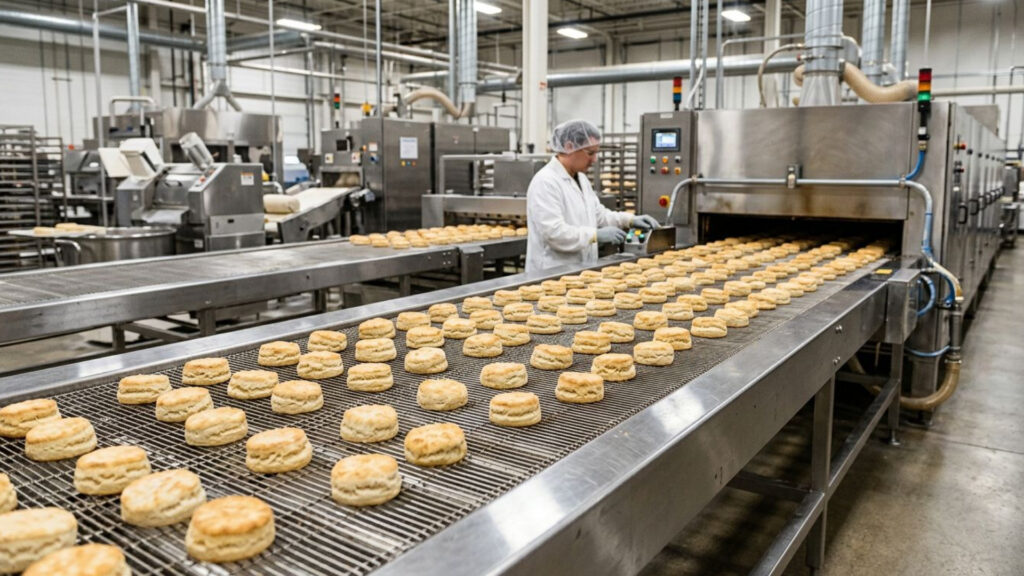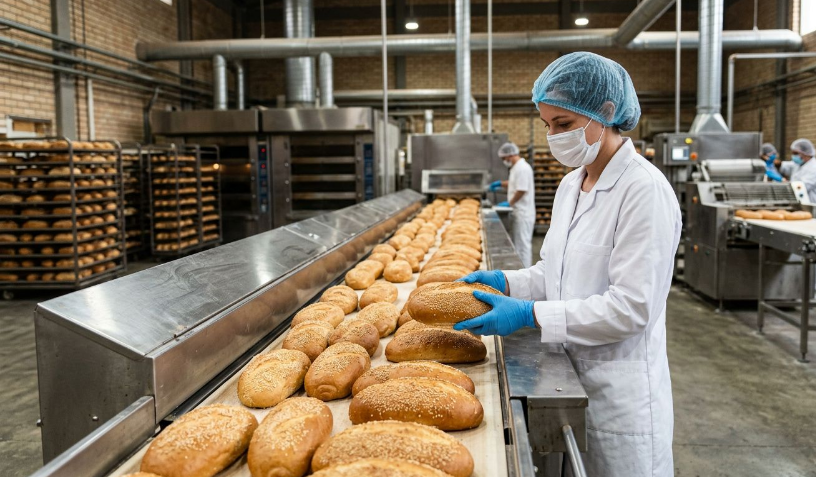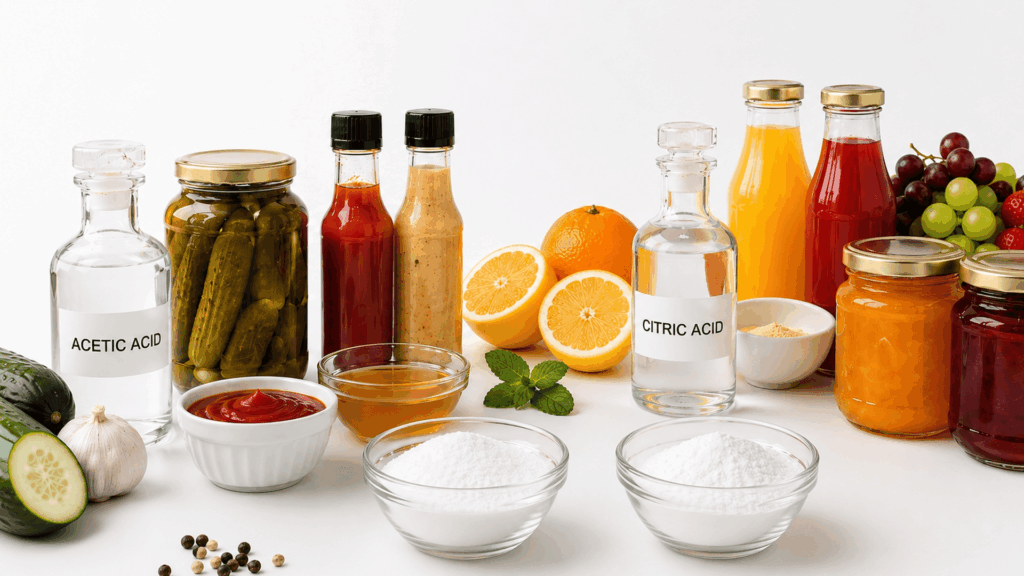
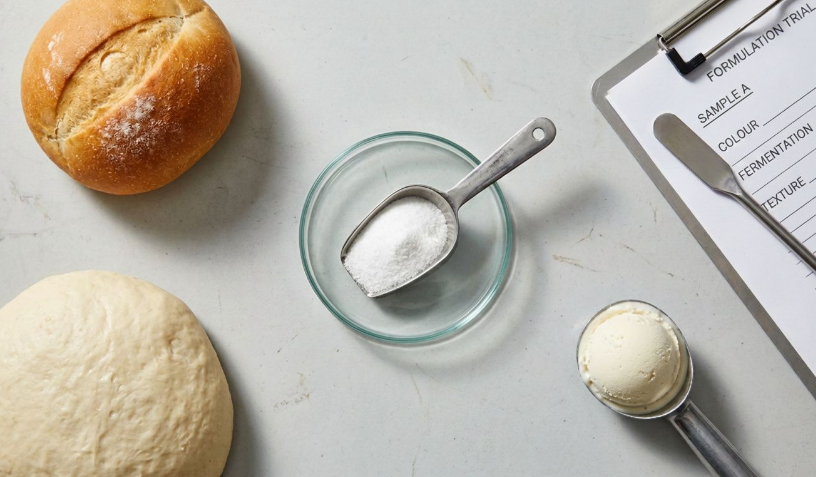
When a baked product looks too pale, fermentation becomes inconsistent or a frozen dessert is too hard, adjusting the sugar system may seem like a straightforward solution. Dextrose can help address all three issues, but changing its concentration rarely affects only one part of the formulation.
The connections become clear across the production process. More dextrose can intensify browning, but it also changes sweetness and the amount of residual sugar. In dough, it gives yeast a readily available source of glucose, yet a high total sugar concentration can slow fermentation. In frozen desserts, it can improve scoopability while also making the product softer and more prone to melting.
For that reason, manufacturers need to select a dextrose level that achieves the intended result without causing unwanted changes elsewhere in the formulation.
Key Takeaways
- Dextrose can help manage browning, fermentation and texture, but changing its concentration may also affect sweetness, residual sugars and processing performance.
- More dextrose does not always produce better results. Excessive levels can cause over-browning, restrict yeast activity or make frozen desserts too soft.
- Manufacturers should test dextrose within the complete formulation and under actual processing and storage conditions, rather than assessing one function in isolation.
How Dextrose Changes a Food Formulation
Dextrose is another name for D-glucose. It is a monosaccharide, which means it consists of a single sugar unit that certain microorganisms can use without first breaking it down into simpler sugars.
By comparison, sugar commonly refers to sucrose, which contains glucose and fructose joined together. Although dextrose and sucrose both provide sweetness and solids, their different structures affect how they behave during processing.
That structural difference shapes how dextrose behaves throughout production. Yeast can use it directly during fermentation, and its reducing nature allows it to take part in browning reactions during heating. On an equal-weight basis, dextrose also depresses the freezing point more than sucrose, influencing the texture and stability of frozen products.
These properties make dextrose useful in a range of food applications. The US Food and Drug Administration (FDA)’s food-substance inventory identifies functions including nutritive sweetening, moisture retention, flavour enhancement and support for colour development.
However, dextrose and sucrose are not direct substitutes. Replacing one with the other can alter sweetness, colour, fermentation, moisture behaviour, and texture simultaneously. The first visible effect often appears during heating, when the choice of sugar influences how quickly colour develops.
Managing Pale or Inconsistent Browning
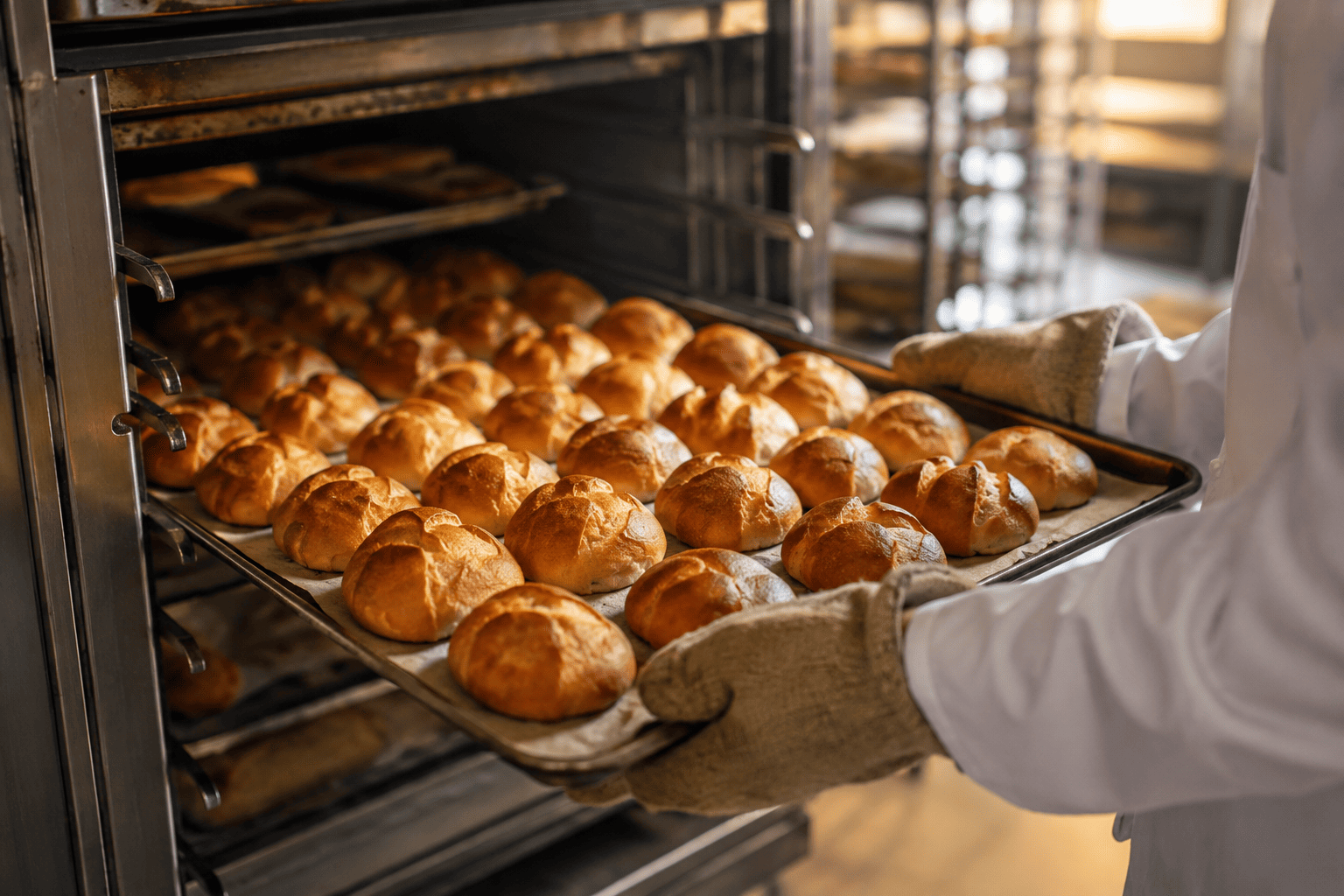
Colour is one of the first quality cues consumers notice in baked and heat-processed foods. Bread, biscuits or pastries that are too pale may appear underbaked, even when their texture and moisture content are correct. At the other extreme, uneven or excessive colour can make an otherwise consistent production run appear inconsistent.
For pale products, dextrose may help by participating in the Maillard reaction. During heating, reducing sugars react with amino compounds in the formulation, creating the brown colour and characteristic flavours associated with baked and roasted foods.
Dextrose can participate in this reaction directly because it is a reducing sugar. By contrast, sucrose does not contribute while it remains intact and must first break down into glucose and fructose. A scientific review of the Maillard reaction notes that reducing sugars are involved in the formation of brown compounds known as melanoidins, as well as many aroma and flavour compounds. This helps explain why replacing part of the sucrose with dextrose may change the speed or intensity of colour development.
Why Browning Results Can Still Vary
The chemistry explains why dextrose can deepen colour, but it does not guarantee the same result from every batch. The Maillard reaction also depends on the balance between reducing sugars, amino compounds, moisture, acidity and heat within a particular food.
Processing conditions determine how that balance plays out. A dextrose concentration that gives the intended colour during a longer bake at a moderate temperature may cause excessive browning in a shorter and hotter process. Product thickness and uneven heat transfer can create further differences within the same batch.
What happens before baking matters as well. Yeast may consume some of the available dextrose during proofing, leaving less residual sugar to support browning in the oven. Changes in proofing time or yeast activity can therefore alter the final colour even when the starting formulation is unchanged.
This connection between proofing and baking means manufacturers need to assess both stages together. Comparing dextrose concentration with fermentation time, residual reducing sugars, product pH, water activity and actual oven conditions can help explain why colour varies between production batches.
Once manufacturers understand why colour varies, trials also need to define an acceptable upper limit. Excess dextrose may push the product beyond its target colour, change its flavour and, in susceptible foods, contribute to acrylamide formation.
As explained by UC Davis, acrylamide can form when reducing sugars react with the amino acid asparagine during high-temperature processes such as baking, frying and roasting. The objective is therefore to achieve consistent browning while controlling excessive colour, unwanted cooked flavours and acrylamide formation where applicable.
Improving Fermentation Without Compromising Product Height
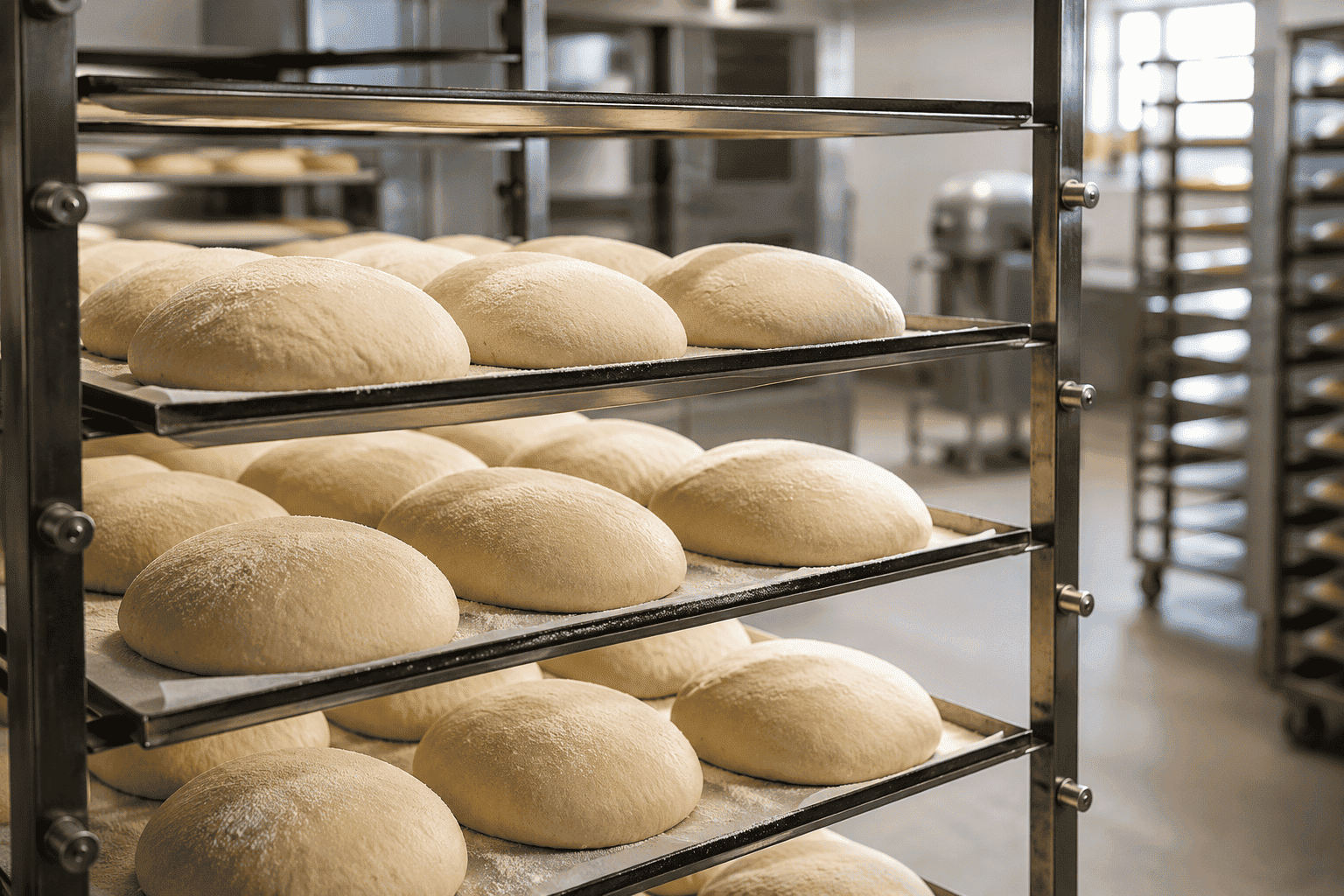
The link between fermentation and browning begins before the product reaches the oven. Slow or uneven fermentation can disrupt production schedules and lead to differences in product height, crumb structure and finished quality. Although the sugar system may contribute, adding more fermentable sugar does not always correct the problem.
Fermentation depends on the availability of sugars that baker’s yeast, or Saccharomyces cerevisiae, can convert into carbon dioxide and ethanol. Carbon dioxide expands the gas cells within the dough, while the surrounding gluten structure retains the gas and allows the product to rise.
Dextrose can be useful because yeast can metabolise it directly. Sucrose must first be split into glucose and fructose by the enzyme invertase before the yeast can use it. This difference can affect the early stages of fermentation, although it does not mean that adding dextrose will always produce faster or more consistent results.
To understand why, researchers have examined how yeast responds to different sugars and sugar concentrations during fermentation. A study of yeast pastry production found that yeast consumed glucose before fructose and maltose. The researchers also investigated how sugar concentration affected yeast activity, dough behaviour and the height of the finished product.
When High Sugar Levels Restrict Fermentation
Direct access to glucose explains why dextrose can support yeast, but total sugar concentration still sets a practical limit. Increasing that concentration does not necessarily improve fermentation performance.
The yeast pastry study illustrates this limit. In the formulation containing 21% sugar, greater osmotic stress reduced yeast activity and limited sugar consumption. With less carbon dioxide and ethanol available for dough expansion, the products reached a lower height. Beyond a certain point, more sugar may therefore restrict fermentation rather than support it.
Taken together, these findings show why inconsistent product height cannot be attributed to yeast activity alone. Formulators also need to consider how sugar concentration affects dough structure and its ability to retain gas.
Looking Beyond Sugar Availability
Even when the total sugar concentration is within a workable range, fermentation may still fall short if the dough cannot retain the gas being produced. Sugar availability is therefore only one part of the explanation.
The dough must also be able to trap and retain the carbon dioxide generated during fermentation. At that point, flour protein, hydration, mixing and fat levels may have a greater influence on product height than the sugar supply itself. Yeast condition, dough temperature and proofing time can also affect the rate and consistency of fermentation.
Production trials can help manufacturers determine whether a problem arises from limited gas production or poor gas retention. Depending on the product, these trials may monitor dough expansion, carbon dioxide production, fermentation time, dough temperature, pH and final product height or volume.
The outcome of fermentation can also influence what happens later during baking. The amount of dextrose remaining after proofing affects how much sugar is available for browning reactions, while fermentation performance influences the volume and crumb structure of the finished product. Residual dextrose may therefore contribute to sweetness and colour development, linking fermentation performance with final product quality.
Using Dextrose to Adjust Texture
Texture brings these earlier effects together. In fermented bakery products, dextrose can support yeast activity and indirectly influence product volume and crumb structure. In soft baked goods, its interaction with moisture may shape how that texture changes during storage.
Frozen desserts introduce a different mechanism. By influencing the freezing point, dextrose can change hardness, scoopability and melting behaviour, so the formulation approach used for bread cannot simply be carried across to frozen products.
The starting point is therefore to define the texture problem clearly: does it arise from fermentation, moisture movement or ice formation? The answer determines which part of the sugar system manufacturers should investigate first.
Fermentation, Volume and Crumb Structure
In yeasted products, the first texture effect develops during fermentation. Carbon dioxide produced by yeast expands the gas cells, while the surrounding dough structure determines how much of that expansion becomes part of the finished crumb.
Fermentation also creates ethanol, glycerol, organic acids and aroma compounds that influence the overall character of the product. A review of the industrial applications of Saccharomyces cerevisiae discusses the role of yeast metabolism in dough and other fermented foods.
Because fermentation depends on the availability of fermentable sugars, dextrose may be useful when yeast activity is genuinely limiting production. Its direct availability to yeast can support carbon dioxide production during the early stages of fermentation.
However, gas production is only part of the equation. If the dough cannot retain the gas being produced, increasing dextrose is unlikely to resolve the texture issue. Manufacturers must therefore assess fermentation together with flour quality, mixing, proofing and baking conditions.
Managing Softness During Storage
Texture continues to change after a baked product leaves the oven. Dextrose can interact with water in the food system, and the FDA recognises it as a humectant. In suitable formulations, that function may influence moisture distribution and softness during storage.
Softness, however, is only one aspect of shelf-life performance. Even when a product remains soft, its microbiological stability will still depend on factors such as water activity, hygiene, preservatives, packaging and storage conditions.
For that reason, manufacturers should evaluate texture throughout the intended shelf life rather than relying only on results taken immediately after production. Trials may track moisture content, water activity and instrumental firmness alongside sensory characteristics such as softness, chewiness, dryness and crumbliness.
Where shelf-life conditions could support microbial growth, texture testing may need to be complemented by microbiological assessment. Manufacturers may monitor total microbial counts and the growth of yeast or mould at defined intervals, with tests and limits selected according to the product, packaging, storage conditions and applicable food-safety requirements.
Balancing Scoopability and Melting Behaviour
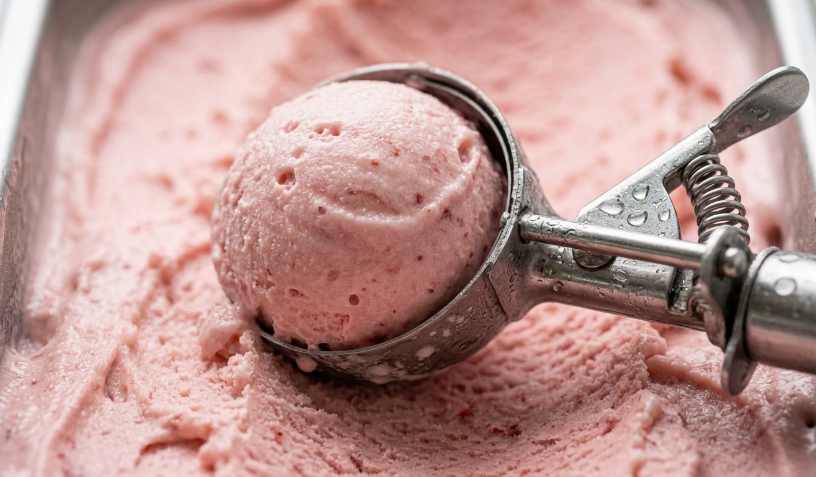
Water management takes a different form in frozen desserts. Because a dextrose molecule is smaller than a sucrose molecule, a given weight of dextrose contains more sugar molecules. This gives dextrose a greater effect on freezing-point depression and leaves more water unfrozen. The result can be a softer product that is easier to scoop at serving temperature.
That benefit still has practical limits. Too much freezing-point depression can make a frozen dessert overly soft, reduce shape retention and accelerate melting. Too little can leave the product hard or icy.
A 2025 review of sugars and sugar replacers in frozen desserts describes how sugar selection affects ice formation, the amount of frozen water, texture and melting behaviour. These relationships help explain why dextrose can influence scoopability and softness differently from sucrose.
The review also highlights the importance of assessing dextrose within the complete frozen-dessert system. Sucrose, glucose syrups, total solids, fat, milk solids and stabilisers all contribute to the final texture, alongside overrun, hardening conditions and temperature changes during distribution.
Sweetness introduces an additional consideration. Because dextrose is less sweet than sucrose, a substitution may deliver the desired softness without maintaining the target flavour profile. Trials should therefore assess serving texture, sweetness and melting performance together when determining whether dextrose is suitable for a particular formulation.
Deciding Whether Dextrose Is Suitable
Before changing a formulation, manufacturers should identify the main outcome they need from dextrose. A bakery seeking stronger crust colour has different priorities from a frozen-dessert producer trying to improve scoopability.
The appropriate form and addition level will depend on factors such as:
- The target sweetness
- The amount and uniformity of browning required
- Whether microorganisms will consume the dextrose
- The desired residual sugar after processing
- The product’s moisture and water-activity targets
- Its required texture during production and storage
- The processing and serving temperatures
- Possible acrylamide formation in susceptible foods
Product selection also requires consideration. Manufacturers evaluating dextrose may need to choose between dextrose monohydrate and anhydrous dextrose. Particle size, solubility, moisture specification, microbiological limits, source material and regulatory documentation may also affect suitability.
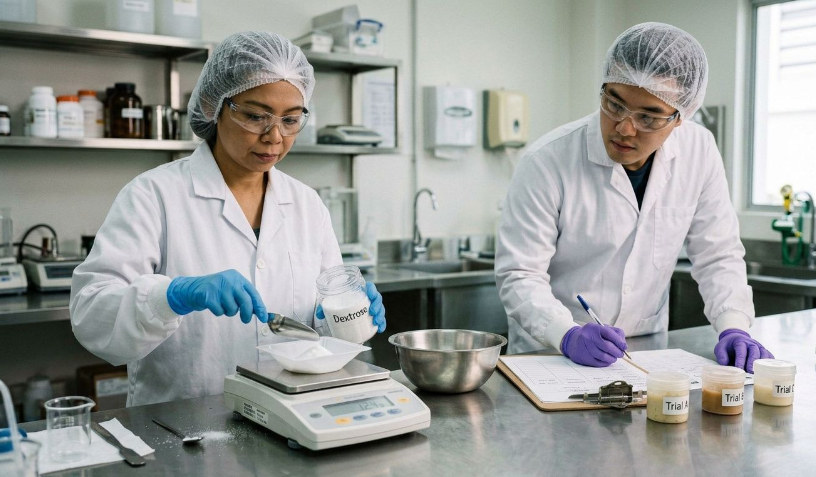
Controlled pilot trials offer the most reliable way to determine the appropriate grade and addition level. Wherever practical, manufacturers should adjust one major variable at a time and compare the results with an established control.
Testing should extend beyond the immediate production outcome. A formulation that performs well after processing may behave differently during packaging, storage or distribution. Reviewing the complete product life cycle makes it easier to determine whether solving one problem has created another.
Finding the Right Balance with Dextrose
The right formulation therefore depends on balancing the intended benefit of dextrose with its effects on the rest of the product. Careful testing under actual processing and storage conditions can help manufacturers determine the most suitable form and addition level for their application.