Moisture is one of the most persistent challenges in industrial operations. Excess humidity can cause raw materials to cake, metal components to corrode, packaging to fail, and finished products to fall outside quality specifications. For manufacturers, the consequences range from production delays and product rejects to higher maintenance costs and reduced customer satisfaction.
The problem becomes even more pronounced in tropical climates, where high ambient humidity places constant pressure on storage areas, warehouses, process equipment, and production lines. As a result, manufacturers need a moisture control solution that is both effective and practical to support day-to-day operations.
Among the many moisture control solutions available today, calcium chloride continues to play a critical role across industries. It remains one of the most widely used drying agents because of its good moisture absorption capacity, affordability, and versatility. Studies consistently highlight its strong hygroscopic properties, making it well suited for industrial drying, dehumidification, packaging protection, storage, and process applications.
Why Moisture Control Matters in Manufacturing
Humidity affects almost every stage of industrial production, and many moisture-related issues develop gradually before becoming costly problems.
Raw materials often absorb moisture during storage, changing their physical properties before production even begins. Powders may cake together, pellets can swell, and hygroscopic ingredients become difficult to handle consistently.
During manufacturing, excess moisture can interfere with chemical reactions, reduce process efficiency, or affect the quality of finished products. These issues may lead to inconsistent output, production delays, and unnecessary material waste.
Storage presents another challenge. High humidity encourages corrosion on metal components, damages packaging materials, and increases the risk of microbial growth under suitable conditions. During shipping, moisture trapped inside containers frequently leads to condensation, commonly known as "container rain", which can damage products before they reach customers.
According to the Association for Materials Protection and Performance (AMPP), corrosion costs the global economy approximately US$2.5 trillion annually, with poor moisture control contributing significantly to many forms of industrial corrosion.
For manufacturers, effective moisture management is about more than simply reducing humidity. It helps minimise production losses, protect valuable assets, and maintain product quality throughout storage, transportation, and manufacturing.

What Makes Calcium Chloride an Effective Drying Agent?
Calcium chloride (CaCl₂) is an inorganic salt with a good ability to attract and absorb water vapour from the surrounding environment.
Unlike many conventional desiccants, calcium chloride is both hygroscopic and deliquescent. Hygroscopic substances absorb moisture from the air, while deliquescent substances continue absorbing moisture until they eventually dissolve into a liquid solution. This dual capability allows calcium chloride to keep removing moisture long after many other desiccants have reached saturation.
These properties make calcium chloride particularly effective in industrial environments where consistent moisture control is essential.
Exceptional Moisture Absorption Capacity
One of calcium chloride's greatest advantages is its ability to absorb significantly more moisture than many conventional drying agents.
Depending on the formulation and surrounding humidity, calcium chloride can absorb up to approximately 300% of its own weight in water. This high absorption capacity allows it to remain effective for longer periods while managing heavier moisture loads before replacement becomes necessary.
Research published in Heliyon evaluated several desiccant technologies and found that calcium chloride demonstrated the highest moisture desorption capacity among the materials tested. For industrial users, this means the material can continue handling substantial moisture loads while providing reliable drying performance over extended periods.
Performs Well in High-Humidity Environments
Many drying agents become less efficient as relative humidity increases. Calcium chloride performs differently because it continues attracting moisture even when surrounding air contains high levels of water vapour.
This makes it particularly suitable for tropical climates and industrial environments where consistently high humidity can affect product quality and operational efficiency.
Research published by the American Chemical Society (ACS Publications) shows that calcium chloride maintains an exceptionally low deliquescence relative humidity (DRH) threshold of approximately 18%, even under industrial heat conditions of up to 120°C. In practical terms, this means the material begins capturing moisture before humidity reaches levels that could compromise products or production environments.
Fast Moisture Removal
Industrial operations often require rapid humidity reduction to protect moisture-sensitive materials and maintain stable production environments.
Because calcium chloride readily attracts airborne moisture, it helps lower humidity more quickly than many slower-acting alternatives. Faster moisture removal reduces the time that products remain exposed to damaging environmental conditions, helping manufacturers better protect raw materials, finished goods, and equipment.
Another advantage of calcium chloride is its exothermic behaviour. When the material absorbs moisture, it naturally releases heat. Thermodynamic models published in Fluid Phase Equilibria (2024) explain how this heat generation helps lower localised relative humidity around the desiccant, allowing it to capture water vapour more efficiently.
While calcium chloride is not a replacement for engineered drying systems, this thermodynamic property helps explain why it performs well in industrial desiccant bags and other moisture-control applications.

What the Studies Mean for Industry
Scientific research consistently supports calcium chloride's role in industrial moisture control, demonstrating both its effectiveness and versatility across different applications.
A study published in Energy Conversion and Management found that silica gel-calcium chloride composite adsorbents achieved a higher final water capacity than silica gel alone. This suggests that incorporating calcium chloride into composite systems can improve moisture absorption where higher drying performance is required.
The same research also highlights calcium chloride's flexibility across different moisture-control solutions. Depending on the application, it can be incorporated into composite materials designed to balance moisture capacity with drying performance. For manufacturers, this means the material can be adapted to suit different products, operating environments, and humidity conditions.
Another study published in Engineering Proceedings compared calcium chloride with lithium chloride in liquid desiccant systems. Although lithium chloride achieved higher performance under certain test conditions, the researchers confirmed calcium chloride remains an effective and practical dehumidification solution. Its lower cost continues to make it an attractive option for many industrial applications.
Industrial Applications of Calcium Chloride Moisture Control
Calcium chloride has a long-established role in industrial moisture control. It is widely used in packaging protection, container desiccants, warehouse humidity management, and moisture-sensitive storage programmes. Across these applications, the goal is not to eliminate moisture entirely but to maintain humidity at levels that protect product quality and support reliable operations.
Protecting Raw Materials During Storage
Many industrial materials absorb moisture during long-term storage, affecting both product quality and handling efficiency. Powders may harden, granules can cake, and sensitive ingredients may deteriorate before they enter the production process.
Calcium chloride-based moisture control systems help maintain stable storage conditions by actively removing moisture from the surrounding air. This reduces humidity build-up and helps preserve the integrity of hygroscopic raw materials, specialty chemicals, and moisture-sensitive intermediates.
Preventing Warehouse Condensation
Temperature fluctuations inside warehouses often create condensation on walls, ceilings, storage racks, and containers.
Condensation can damage packaging, promote corrosion, encourage mould growth, and increase the risk of product contamination. By lowering ambient humidity, calcium chloride helps minimise the conditions that lead to condensation, creating a more stable storage environment and reducing the likelihood of moisture-related damage.
Container Shipping and Export Logistics
Humidity presents additional challenges once products leave the warehouse. During shipping, temperature fluctuations frequently cause condensation inside freight containers - a phenomenon commonly known as container rain.
Moisture damage during transportation can affect electronics, machinery, chemicals, food ingredients, textiles, and packaging materials. Calcium chloride-based desiccants are widely used because they provide high moisture absorption capacity throughout extended shipping periods, helping protect cargo during ocean transport and long-distance logistics operations.

Choosing the Right Calcium Chloride Grade
Not all calcium chloride products are the same. Manufacturers can choose from flakes, pellets, powders, and solutions depending on their specific application requirements. Product purity and formulation also influence overall performance.
According to Masda Chemical's product specifications, industrial calcium chloride offers high purity and strong hygroscopic properties, making it suitable for moisture absorption, drying applications, refrigeration systems, dust control, and a variety of manufacturing processes. Its ability to absorb moisture efficiently makes it particularly valuable in industrial environments where humidity can affect operational performance.
When selecting a drying agent, manufacturers should consider:
- Moisture absorption requirements
- Storage conditions
- Product sensitivity
- Handling preferences
- Process compatibility
- Regulatory requirements
Working with an experienced supplier can help ensure the appropriate grade and form are selected for each application.
Best Practices for Using Calcium Chloride
To maximise performance, manufacturers should pay close attention to both storage and handling practices.
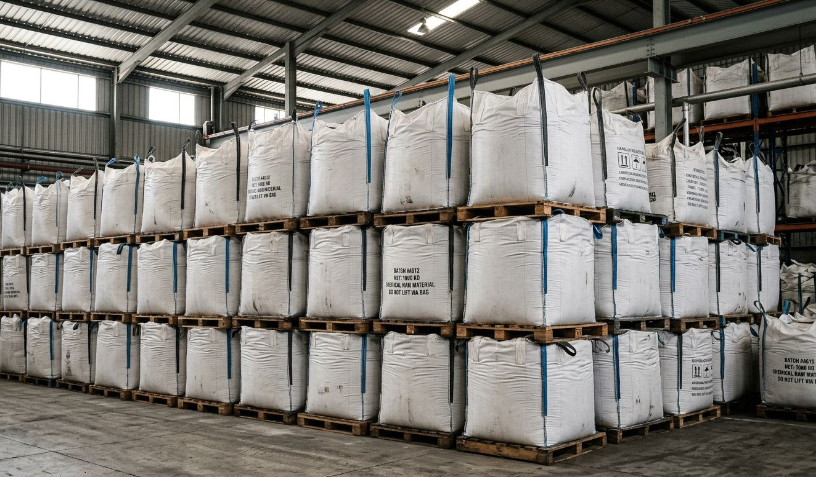
Because calcium chloride readily absorbs moisture from the atmosphere, it should be stored in sealed containers and kept in a dry environment until use. Proper packaging helps preserve product quality by preventing premature moisture absorption before the product is used.
Manufacturers should also regularly assess humidity levels across storage and production areas to determine the most appropriate moisture-control strategy. Combining good housekeeping practices with strategically placed calcium chloride-based systems often delivers the most effective long-term results.
A Proven Solution for Industrial Moisture Challenges
Manufacturers face increasing pressure to maintain product quality, reduce waste, and protect valuable assets throughout the supply chain. Effective moisture control plays an important role in achieving these goals.
Calcium chloride remains one of the most effective drying agents available because it combines high moisture absorption capacity with reliable performance across demanding industrial environments. Its ability to continue absorbing moisture under high-humidity conditions makes it particularly valuable for manufacturers operating in tropical climates, long-distance logistics, and moisture-sensitive production processes.
Supported by decades of industrial use and ongoing scientific research, calcium chloride continues to demonstrate its value in helping manufacturers improve storage stability, protect products, and maintain consistent operational performance.
For manufacturers looking to reduce the impact of humidity on product quality, storage conditions, or process reliability, calcium chloride remains a practical and proven solution worth considering as part of an effective moisture-control strategy.