 Consistent textile bleaching depends on fabric preparation, liquor distribution and controlled processing conditions.
Your bleaching line has followed the standard process, but the cotton is not evenly white. One area looks dull; another batch does not match the last order. Your quality team must decide whether to release, reprocess or hold the material.
Adding more hydrogen peroxide might appear to be the quickest fix. Yet a higher dose will not correct uneven wetting or poor liquor distribution, and extra exposure may put fabric strength at risk. The more useful starting point is to establish what changed between an acceptable run and the affected one.
Was the difference already present in the incoming fabric? Did every area receive comparable treatment? Or did conditions inside the bleaching bath change during processing? Following the evidence helps you choose a correction instead of another guess. The discussion focuses mainly on cotton and other cellulosic textiles, where the bleaching evidence is strongest.
Key Takeaways
- Follow the defect before changing the dose. Its position and timing can help you decide whether to investigate fabric preparation, liquor application or the bleaching bath.
- Use actual bath measurements, not just the recipe. pH, alkalinity, temperature, treatment time and unexpected hydrogen peroxide loss may explain why comparable runs behave differently.
- Check what the correction produces. Consistent whiteness matters, but fabric strength, absorbency and suitability for subsequent dyeing may also determine whether a trial can become routine production.
Read the Bleaching Pattern Before Changing the Recipe
When a batch fails inspection, first establish whether the defect follows a recognisable pattern. A dull edge suggests a different line of investigation from an entire production lot that is less white than expected.
Compare the affected material with a batch that met the same specification. Take samples across the fabric width and along its length, using consistent inspection conditions. Does the variation follow one edge, repeat in bands, affect particular rolls or extend across the whole lot? Use consistent instrumental whiteness measurements alongside visual inspection where whiteness is an acceptance criterion.
Then put those samples alongside the production history. A change in greige fabric lot, a machine stoppage or a changeover may help you locate when the variation first appeared. These are leads, not confirmed causes.
Compare available samples from before and after bleaching. If the difference appears only after dyeing, examine the bleached fabric before attributing the variation to hydrogen peroxide bleaching. Preparation defects and later dyeing faults can look similar but need different responses.
The pattern tells you where to look, not what went wrong. It helps narrow the next investigation to whether affected areas received the same preparation and bleaching liquor as acceptable material.
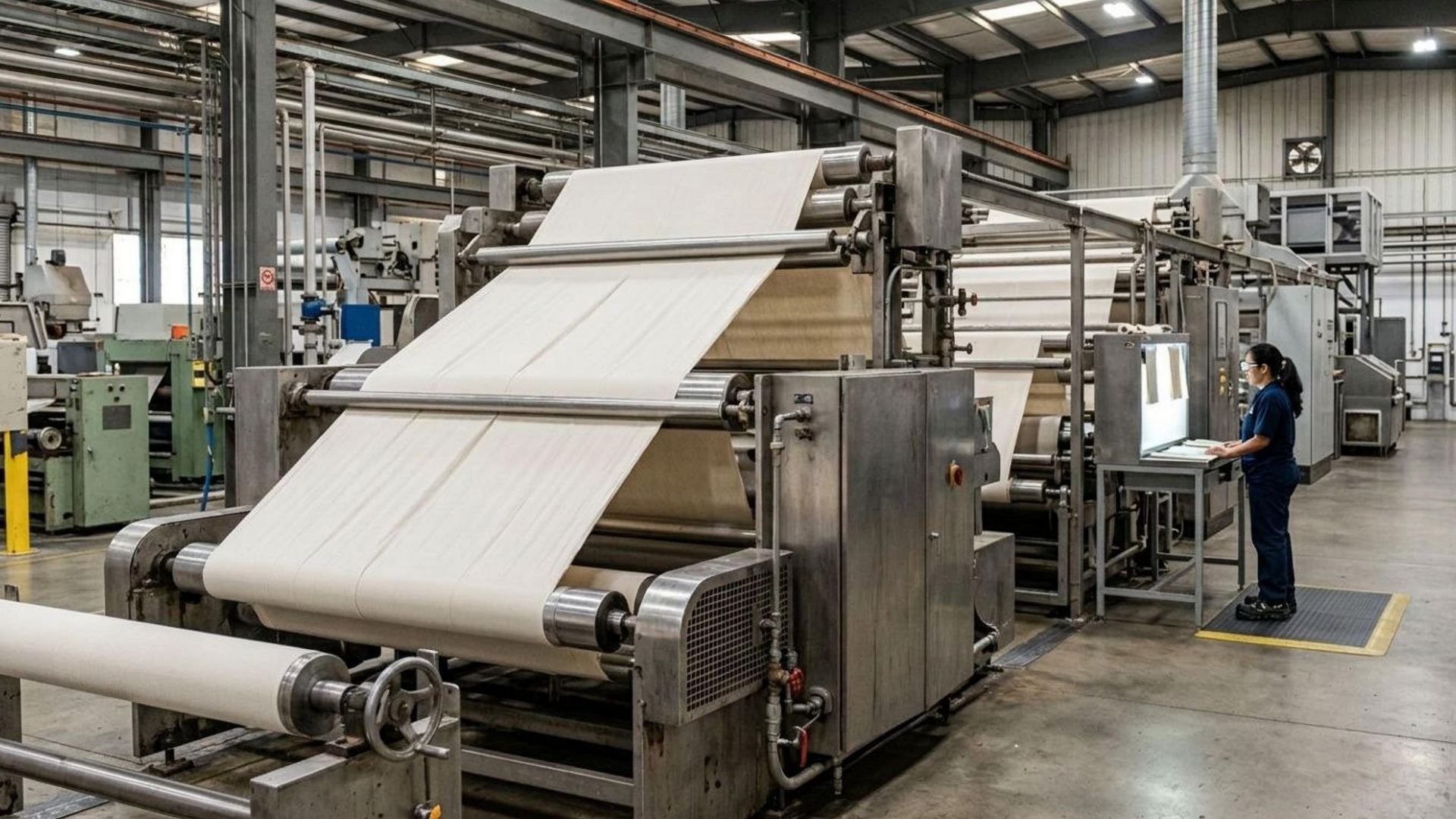
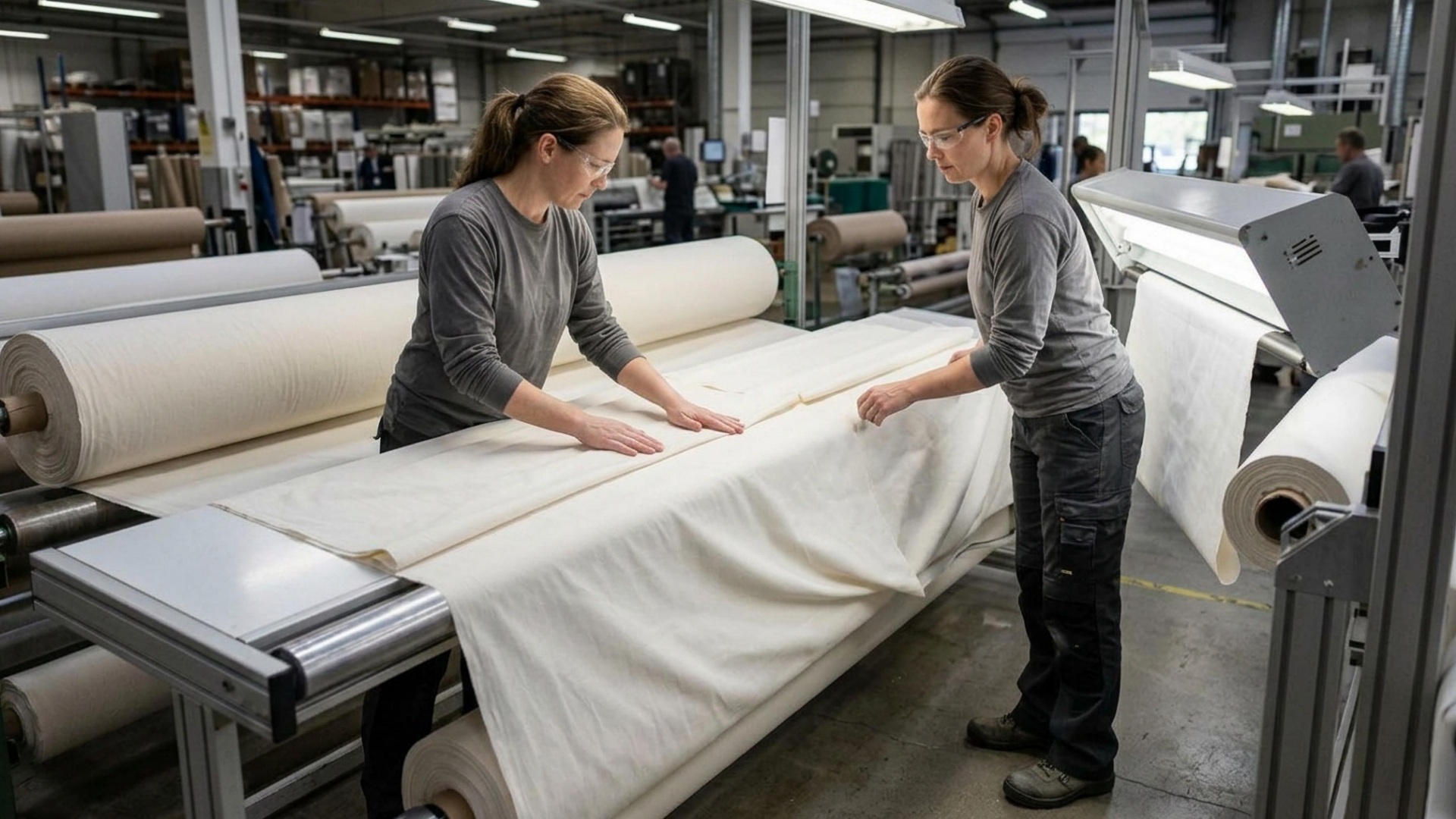 Comparing fabric from different positions helps identify whether whiteness variation follows a particular area or extends across the production batch.
Check Whether the Fabric Received Even Treatment
A difference across the fabric width may initially draw attention to the bleaching bath. But before reviewing its chemistry, establish whether the fabric was equally ready to absorb the liquor. If some areas do not wet properly, the same bath may produce different results across the material.
Cotton carries natural waxes and impurities; processing can leave sizing or lubricant residues. Incomplete desizing or scouring can therefore cause uneven wetting long before the bleaching stage.
Compare preparation records and test the wetting behaviour of acceptable and affected fabric. The American Association of Textile Chemists and Colorists (AATCC) method for textile absorbency provides a recognised way to assess water uptake. The relevant acceptance limits should reflect the fabric being processed, rather than a single value applied to every textile.
For cross-width variation on a continuous range, check liquor pickup, padder condition and fabric tracking. In batch processing, examine loading and liquor circulation. The pattern alone does not diagnose equipment failure.
Sample the affected positions, not just the average fabric. Record construction and sampling stage; an acceptable average could conceal the area that failed inspection.
If affected areas wet more slowly or receive less liquor, a trial addressing preparation or distribution is more relevant than a change to the bleaching recipe. Consistent preparation and liquor application, however, shift the investigation towards what happened inside the bleaching bath.
Find Out What Happened Inside the Bleaching Bath
Consistent fabric preparation removes one possible explanation, not all of them. The next decision is whether the bleaching bath performed as intended throughout the run. The hydrogen peroxide quantity recorded in the recipe is only a starting figure; it does not describe the conditions the cotton experienced.
Compare actual pH, temperature and treatment time with an acceptable batch at the same stages. Was heat-up slower, treatment longer or alkali addition different? In alkaline cotton bleaching, pH influences hydrogen peroxide activity, while overly aggressive treatment can damage cellulose. Whiteness is therefore not the only measure of success. A study of catalytic cotton bleaching found that, under its tested conditions, a catalytic system achieved better bleaching with a slightly smaller reduction in cellulose chain length than a non-catalytic system. That distinction supports checking fibre condition as well as whiteness whenever the process changes, without treating the study as a recipe for another line.
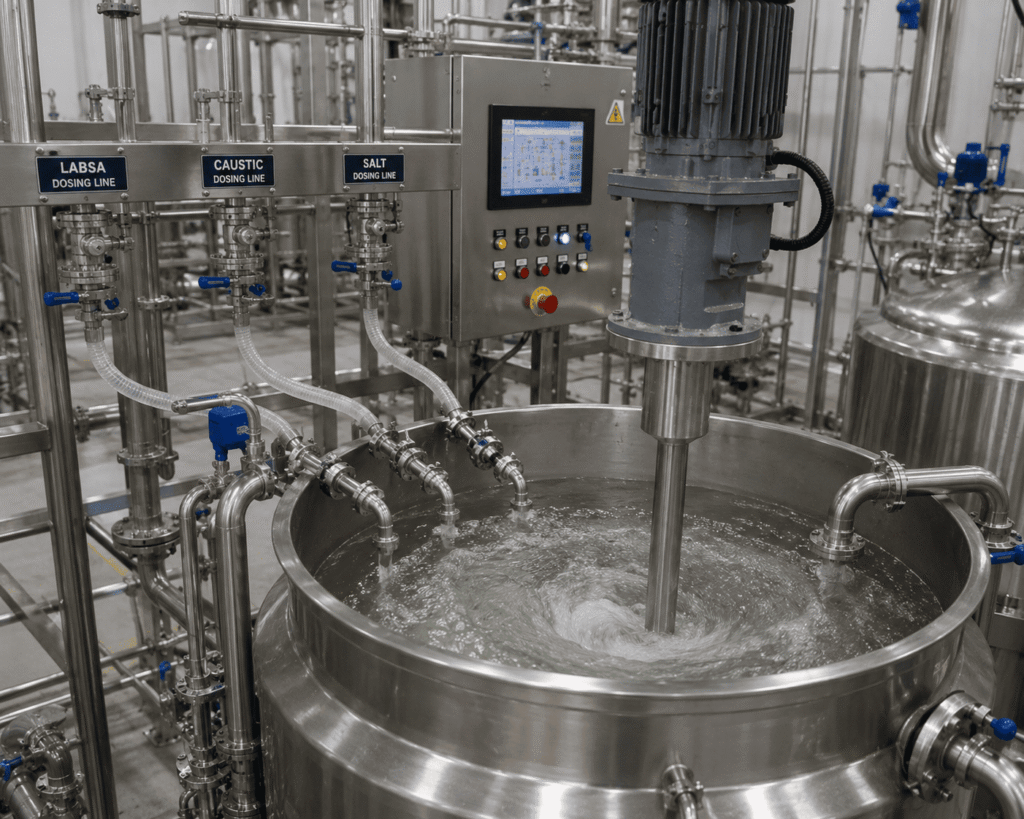
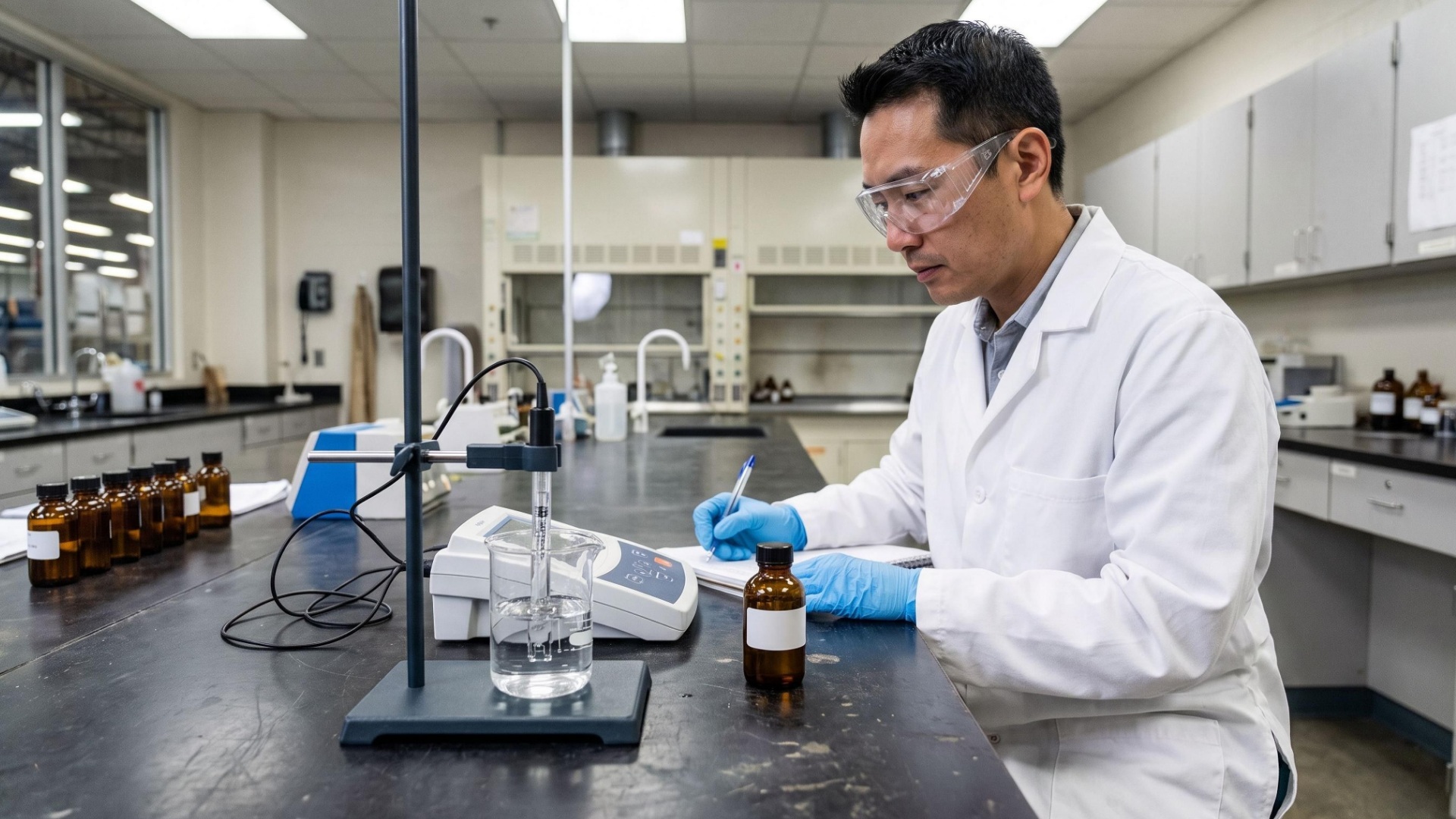 Measuring bleaching-bath conditions helps textile manufacturers identify process variations that may affect fabric whiteness and quality.
Check whether the bath retained the expected hydrogen peroxide concentration during treatment. AATCC publishes methods for measuring hydrogen peroxide concentration and bleach-bath alkali. Using consistent sampling methods at comparable process stages helps distinguish an incorrect initial addition from unexpected loss during treatment. An end-of-run measurement alone may not show when that difference developed.
If the initial hydrogen peroxide addition was incorrect, review the dosing records. If the bath loses hydrogen peroxide unexpectedly despite a correct addition, examine why the concentration changed before selecting a corrective action.
Review the stabilisation system and possible contamination from process water, other chemicals or equipment. Certain metal ions can accelerate hydrogen peroxide reactions and, under particular conditions, contribute to fibre damage. A study of iron(II) (ferrous iron)-assisted cotton bleaching measured whiteness and yarn strength after deliberately treating cotton with iron(II) before hydrogen peroxide bleaching. The findings illustrate the importance of metal-assisted reactions, but do not establish that an unexpected loss of hydrogen peroxide in a different production bath is caused by metal contamination.
Stability during chemical storage and stability in a heated, alkaline bleaching bath are different requirements. If hydrogen peroxide decomposition is faster than expected, compare the operating conditions and incoming material records before deciding which part of the process needs attention.
Together, the records can help distinguish an addition error, changed operating conditions and possible bath instability. The practical decision is which adjustment addresses the evidence without creating a new fabric-quality problem.
Match the Correction to the Evidence
Once the likely cause is clearer, changing several settings at once may seem efficient. But if the next batch improves, it becomes difficult to know which change worked. A focused trial ties the adjustment to the evidence.
The response should follow the failure pattern. Uneven liquor pickup calls for attention to application or fabric handling; an unexpected decline in hydrogen peroxide concentration calls for investigation of the bath conditions. These are different problems, even when both produce uneven whiteness.
| What you find | Possible contributing issue | Focused response and check |
| Affected areas wet more slowly than acceptable fabric | Incomplete preparation or uneven wetting | Trial a preparation adjustment and compare absorbency and whiteness distribution. |
| Whiteness varies across the fabric width alongside uneven liquor pickup | Application or fabric-handling variation | Investigate the relevant application equipment, then recheck pickup and across-width whiteness. |
| Similar fabric shows different results when bath pH or temperature changes | Operating-condition variation | Restore the established control range and compare the fabric outcome, not just the instrument readings. |
| Hydrogen peroxide concentration falls unexpectedly during treatment | Bath instability, contamination or an addition problem | Verify additions, test bath behaviour and investigate potential contamination before changing the dose. |
| Whiteness is acceptable but subsequent dyeing varies | Residual hydrogen peroxide or another dyeing-stage factor | Check residual hydrogen peroxide and the preparation-to-dyeing handover before revising the bleaching recipe. |
Where practical, use fabric from the same incoming lot and keep an unchanged reference. Record the actual conditions of the trial and decide in advance what improvement means. That may be uniform whiteness within the approved range without an unacceptable loss of strength. If several variables change together, even a successful trial may not explain which action worked.
An improved trial sample is encouraging, but it does not yet establish a production solution. The next check is whether the improvement holds across a representative run while leaving the fabric suitable for subsequent processing.
Confirm the Fabric Is Ready for the Next Process
A whiter test sample is encouraging, but approval requires consistent fabric performance under representative production conditions.
Compare whiteness across the width and length with an approved reference rather than selecting the best-looking piece. AATCC's whiteness test method covers instrumental whiteness and tint measurements. Depending on the fabric specification, also consider absorbency and tensile or bursting strength. Excessive or poorly controlled oxidation can weaken cotton; inadequate pretreatment can leave wetting or dyeing performance below requirements.
Whiteness and subsequent dyeing were assessed together in a 2025 study of activated hydrogen peroxide bleaching on cotton. Under one selected treatment, the researchers reported 61.1 Berger whiteness, compared with 62.94 for their conventional reference. The fabrics also showed small colour differences in the tested light-shade dyeing trials. This supports checking downstream performance alongside whiteness, without transferring those experimental conditions to another bleaching line.
The next processing stage can reveal a problem that bleaching inspection misses. When cotton proceeds to reactive dyeing, residual hydrogen peroxide may interfere with the result. In a published study of cotton bleaching and reactive dyeing, removing residual hydrogen peroxide with catalase improved dyeing under the tested conditions. For your operation, check whether the established rinsing or hydrogen peroxide-removal step leaves the fabric suitable for the intended dye system.
Confirm the trial at representative scale and retain the settings with its results. Material outside acceptance limits still needs a quality decision; improvement alone does not justify release.
When the corrected run meets the agreed whiteness, fabric-quality and downstream requirements, you have evidence that the adjustment can work. The remaining challenge is reproducing those results from batch to batch, including when new hydrogen peroxide deliveries arrive.
Keep the Chemical Input Consistent From Batch to Batch
The successful trial establishes the conditions to repeat. Procurement and quality must also confirm that incoming hydrogen peroxide matches the approved specification.
Check concentration and tolerance, quality documentation, packaging, lot identity and storage requirements. The dosing calculation must reflect the concentration actually supplied, and different grades are not automatically interchangeable. If a delivery falls outside the approved specification, investigate that difference before changing the dosing calculation.
Masda Chemical supplies industrial-grade hydrogen peroxide for textile bleaching. Its product page describes different concentration and packaging options, as well as a formulation stabilised for storage. Those details belong in the purchasing and specification review; they do not replace control of hydrogen peroxide behaviour in the bleaching bath. Choose the concentration and pack format against the plant’s approved requirements.
Handling controls matter alongside chemical specifications. Hydrogen peroxide is a strong oxidiser, and guidance from the US National Institute for Occupational Safety and Health (NIOSH) identifies incompatible materials and exposure risks. Follow the applicable safety data sheet and approved site procedures for storage, transfer and worker protection.
Keeping the approved process settings, incoming specifications and fabric acceptance results together makes future deviations easier to investigate. They provide a clear reference for identifying what changed if a later batch falls outside the approved requirements.
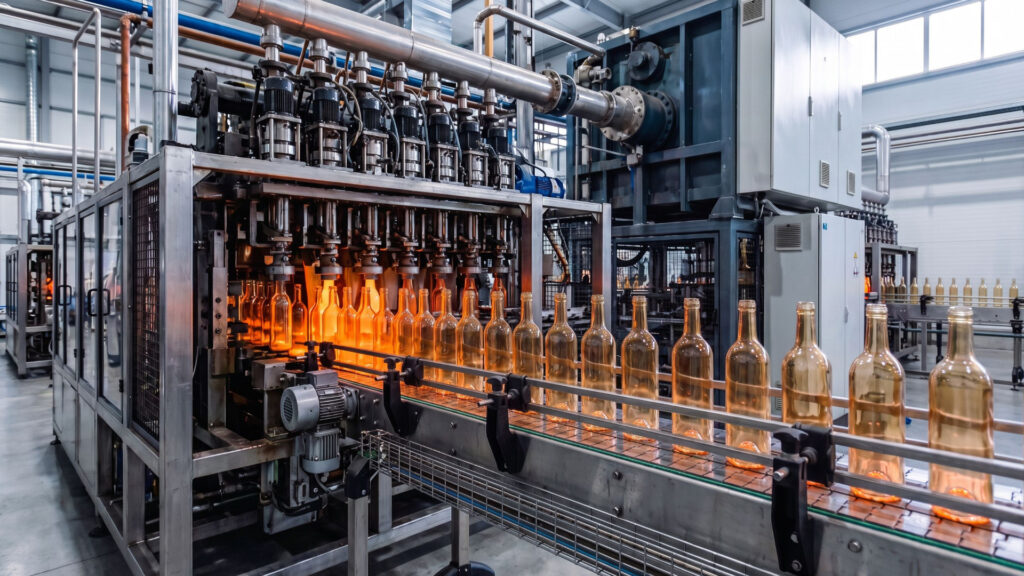
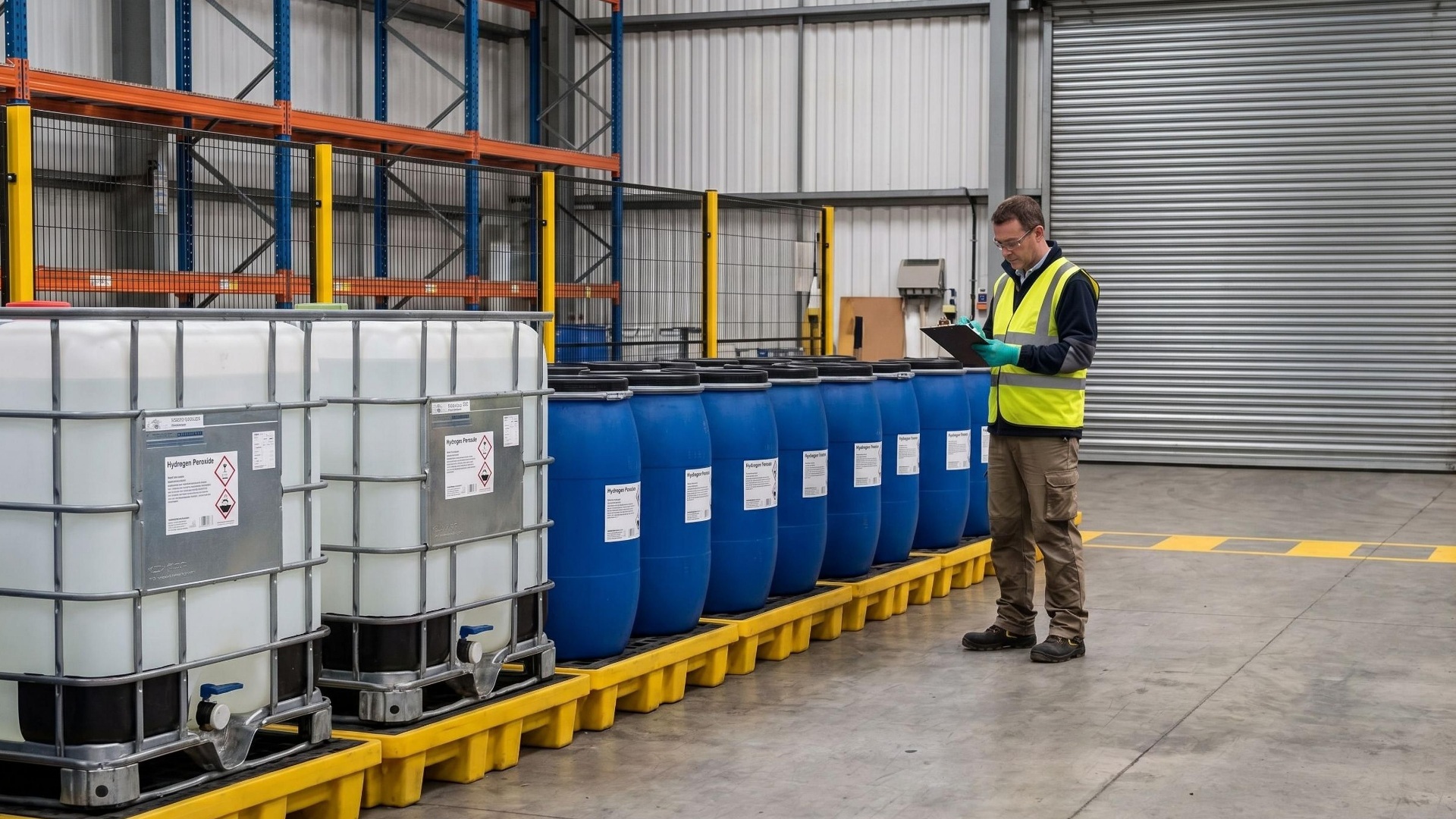 Confirming incoming chemical specifications, packaging and storage requirements helps textile manufacturers maintain consistent bleaching operations.
Consistent Bleaching Comes From Finding the Cause
Uneven bleaching is not necessarily a sign that your cotton needs more hydrogen peroxide. A difference in preparation, liquor distribution or bath behaviour can produce similar-looking defects, even though each calls for a different response.
Start with the affected fabric and the production evidence. Make a focused correction, check the result across the fabric and confirm that the material remains fit for its next process. When those findings are carried into routine operating and purchasing controls, your team has a firmer basis for repeating acceptable bleaching results without unnecessary changes to the recipe.