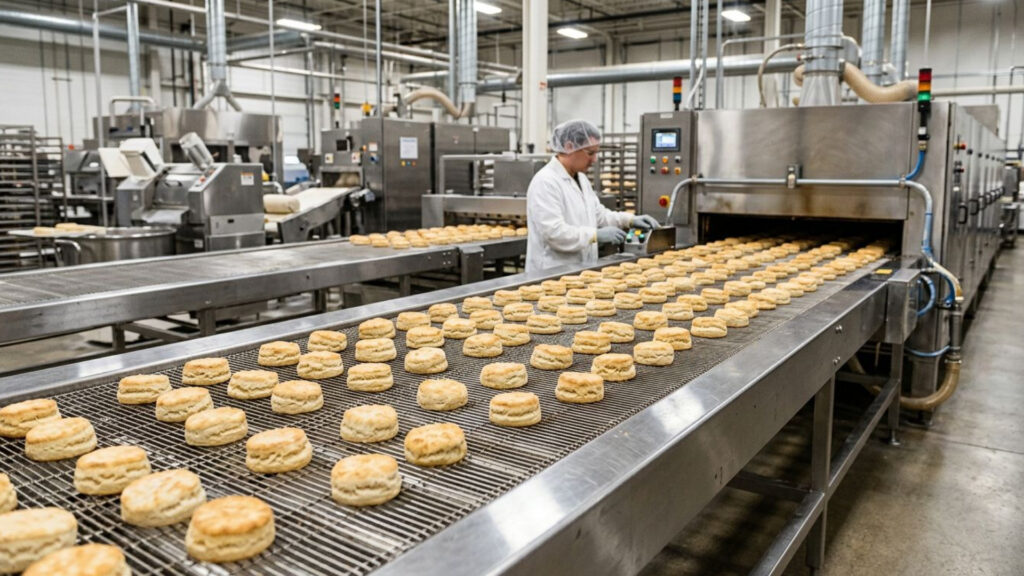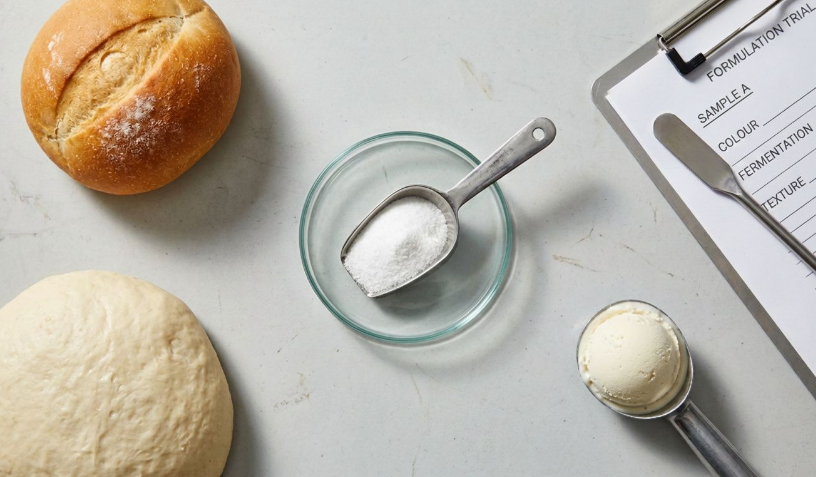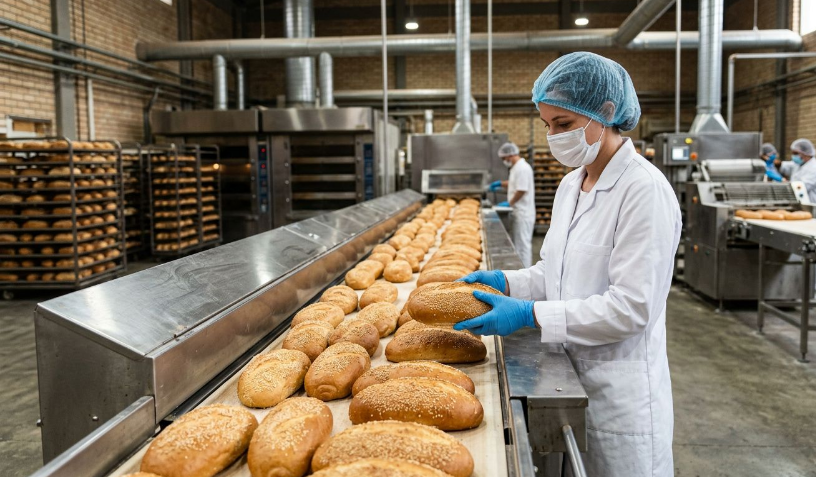
Modern food manufacturing relies heavily on ingredients that support consistency, stability, texture, and processing efficiency. As production systems become more advanced and consumer expectations continue to evolve, manufacturers increasingly rely on functional ingredients that help maintain product quality and support large-scale operations - all while keeping labels as simple and clean as possible.
In many product categories, manufacturers are also under pressure to reduce sugar, salt, or fat without sacrificing consumer-acceptable quality. This creates a gap between what the market expects and what legacy formulations can reliably deliver.
One ingredient that quietly underpins a large share of the modern food systems is maltodextrin.
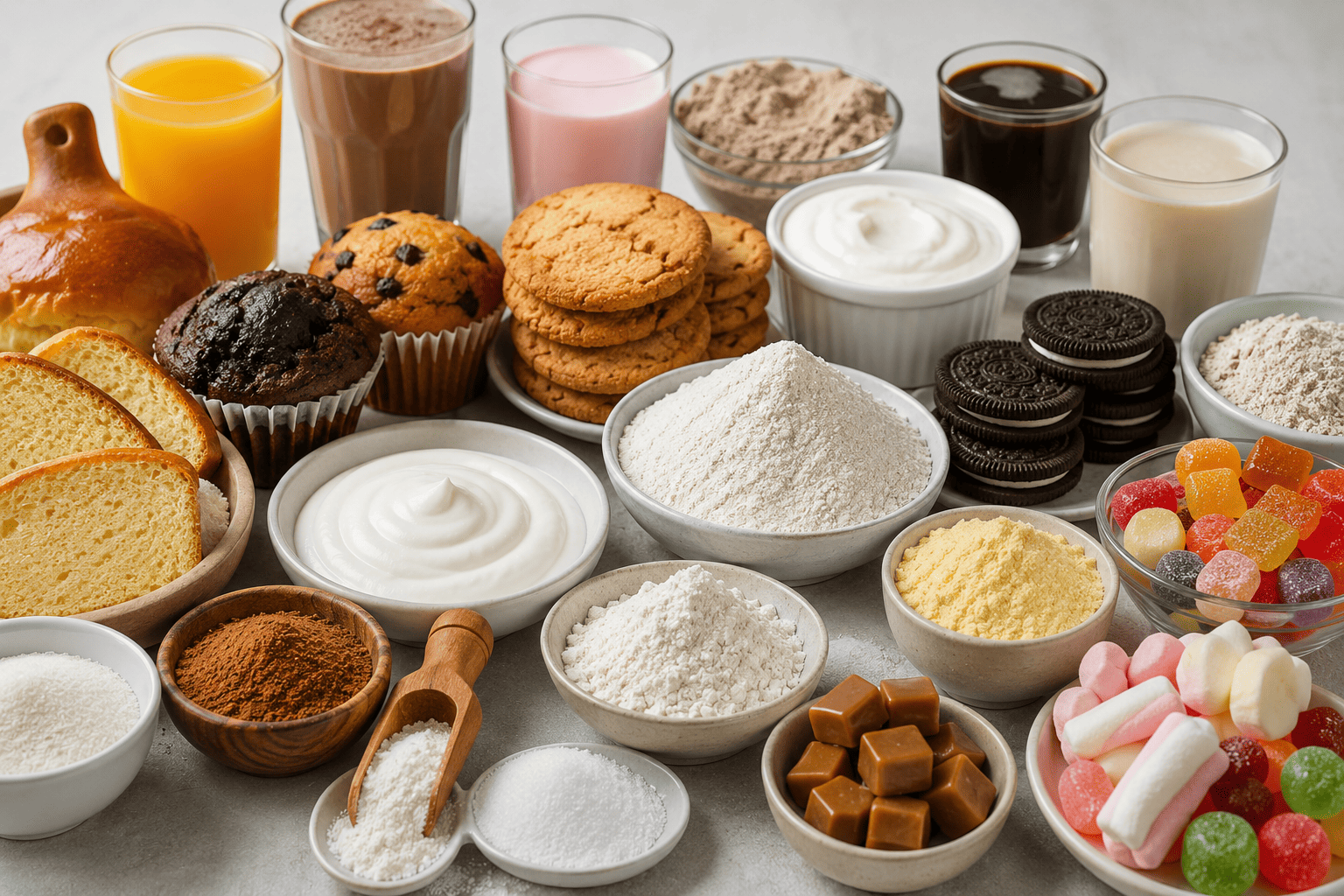
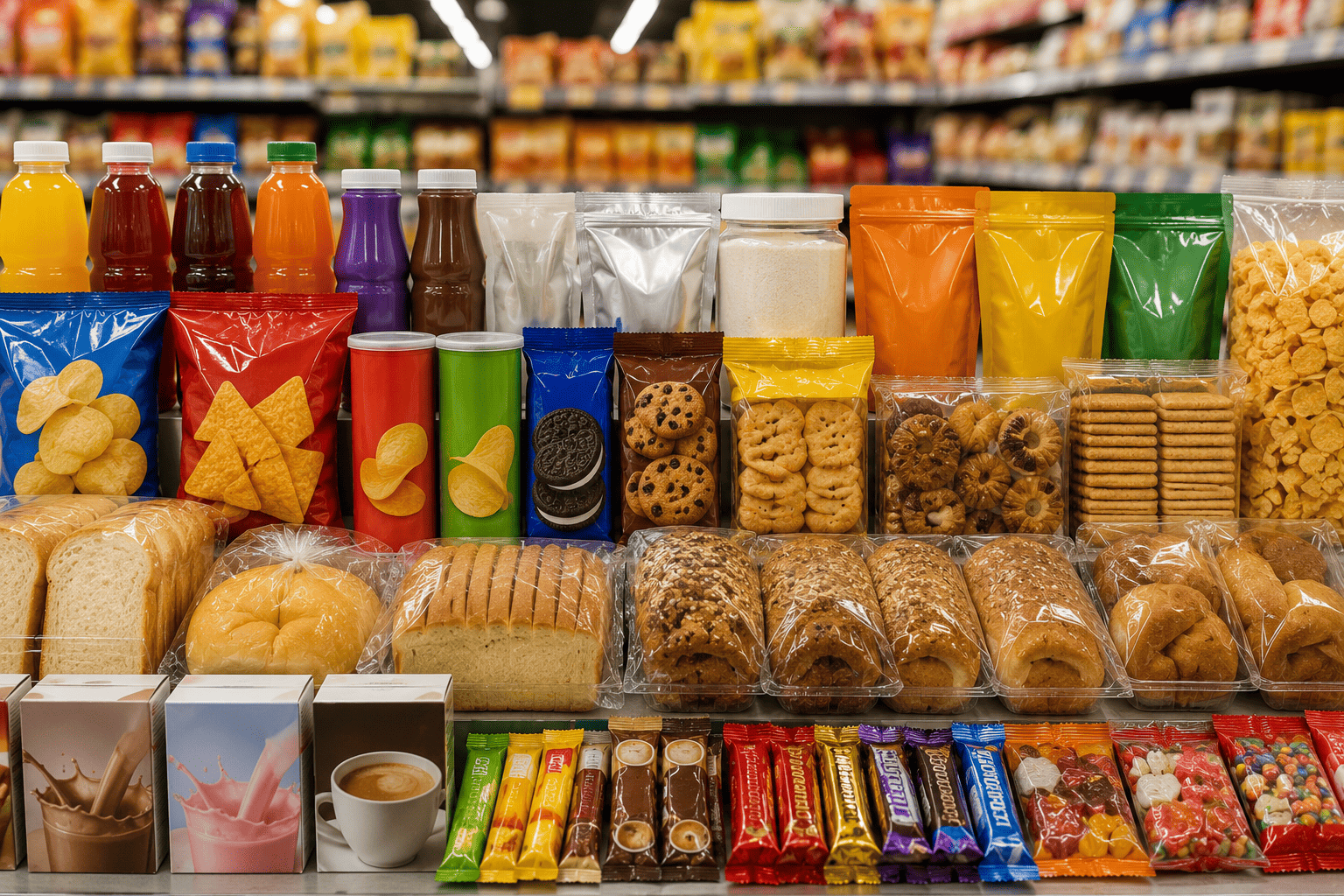
Used across beverages, bakery products, dairy formulations, confectionery, seasonings, sauces, and nutritional systems, maltodextrin helps close this gap by improving texture, stability, and processability without strong flavour or colour. As manufacturers continue to balance product performance, processing efficiency, and formulation consistency, functional ingredients such as maltodextrin remain important in modern food production.
This article explores what maltodextrin is and how it is used in food manufacturing to address formulation challenges, while still meeting regulatory, safety, and labelling expectations.What Is Maltodextrin?
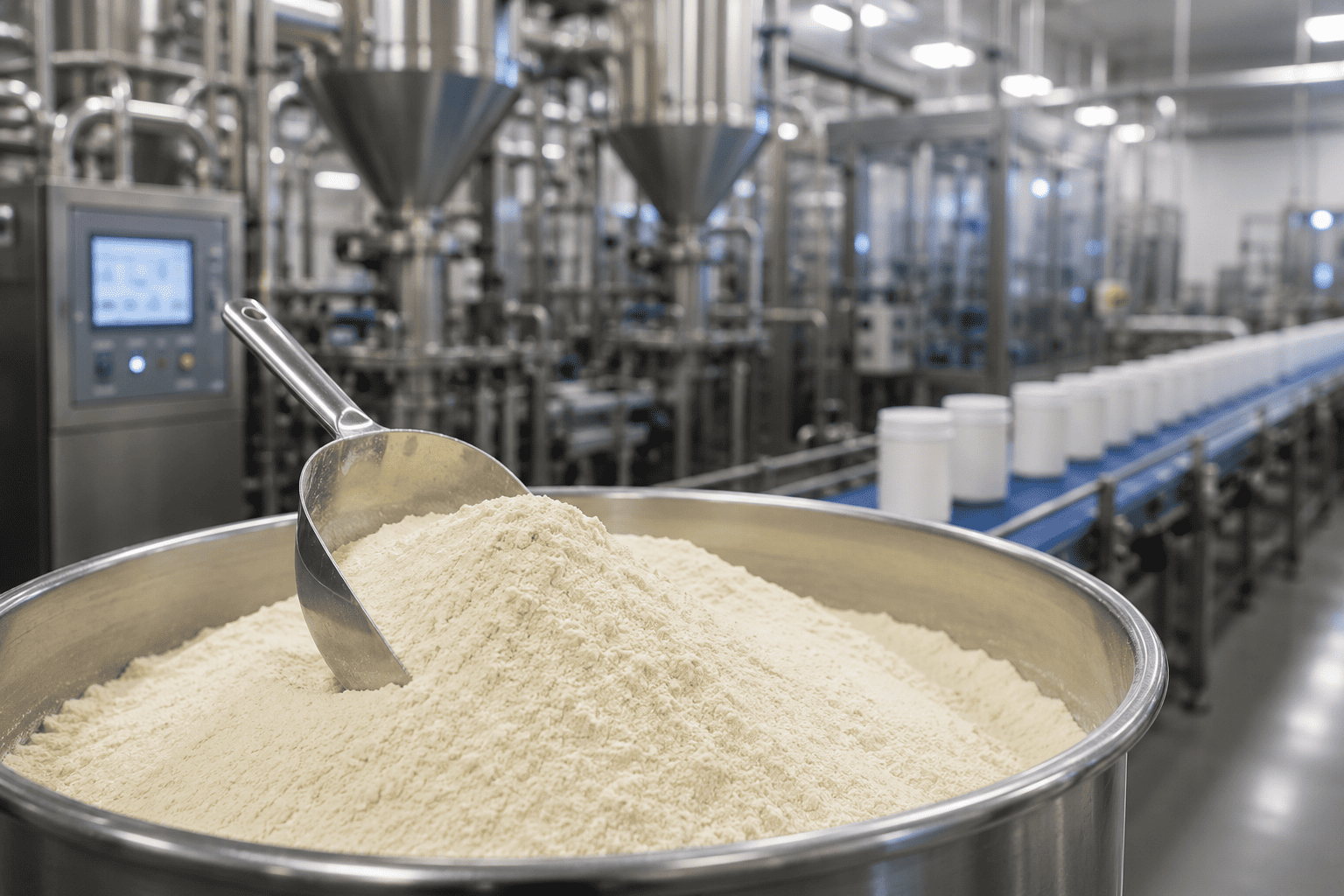
Maltodextrin is a carbohydrate-based polysaccharide produced through the partial hydrolysis of starch. Common starch sources used during production include:
Since maltodextrin may be produced from sources such as wheat, some consumers and manufacturers question whether it is gluten-free. This depends on the raw material, application and the processing method used.
The first step in the maltodextrin process involves cooking the starch. During manufacturing, starch molecules are broken down into shorter glucose chains through controlled hydrolysis. The resulting ingredient is a fine white powder with good solubility and functional properties suitable for many food applications.
Unlike regular sugar, maltodextrin generally has a relatively neutral taste. This allows manufacturers to improve texture and processing performance without significantly affecting the product’s flavour profiles.
Maltodextrin’s functionality can also vary depending on how extensively the original starch has been hydrolysed during production with the degree of hydrolysis commonly measured using dextrose equivalent (DE) – a measurement which indicates how much the original starch has been broken down.
Lower DE values (DE 3 – 10) generally produce ingredients with lower sweetness and higher viscosity, while higher DE values, such as Glucose (DE 100) may create products with greater solubility and slightly sweeter characteristics.
For ingredients like maltodextrin, which typically have a DE value below 20, manufacturers can select different maltodextrin grades that match specific processing or formulation requirements.
Safety, Regulation, and Consumer Perception
Maltodextrin is authorised for use in food in the United States (US), the European Union (EU), Canada, Australia and many other jurisdictions. In the US, it is listed in the Food and Drug Administration’s database of substances added to food; in the EU it is classified under E1400 as a modified starch. Toxicological evaluations have not identified specific safety concerns at the concentrations used in food, and surveys of market products show that maltodextrin appears in an estimated 60% or more of packaged foods as an additive.
However, a review noted that replacing unprocessed starch with maltodextrin can increase post-meal glycaemia and overall glycaemic load, which some nutrition scientists view as less desirable, especially in high-sugar or energy-dense products. This means that, for manufacturers, the choice of where and how much maltodextrin to use should be treated as a deliberate formulation decision rather than a default “filler” ingredient.
Why Maltodextrin is Widely Used in Food Manufacturing
Food manufacturers often need ingredients that help maintain stable texture, consistent flavour distribution, moisture control, and efficient processing performance. Across categories, maltodextrin supports many of these objectives because of its practical functional properties that manufacturers can deliberately leverage rather than incidentally.
Neutral Flavour Profile
One reason maltodextrin is commonly used is its relatively neutral flavour.
Unlike some ingredients that significantly alter taste, maltodextrin can enhance texture and processing performance without overpowering the product's original flavour profile. This makes it useful in applications where manufacturers need to add body or improve formulation stability while maintaining flavour consistency.
Good Solubility
Maltodextrin dissolves easily in water, and it is widely used as a carrier for flavours, pigments, and nutrients because of its high surface area and low intrinsic flavour.Its solubility supports:
- Smooth mixing
- Stable ingredient distribution
- Consistent blending
- Reliable processing behaviour
These properties allow manufacturers to use it efficiently in both liquid and powder systems. Examples include powdered drink mixes, soup bases, and flavour sachets where maltodextrin helps distribute oils, volatile aromas, and sensitive micronutrients evenly throughout the powder matrix. This improves shelf life and reconstitution performance.
Recent research on maltodextrin-based powder systems shows that the glass-transition temperature and particle morphology strongly influence powder behaviour in bulk; for example, controlling relative humidity and DE can help limit caking and improve flowability in high-speed fillers. For food manufacturers, this means that selecting the right minor changes in moisture, DE, and particle size can solve practical problems such as bridging in hoppers or poor dissolution in instant mixes.Texture And Mouthfeel Support
Texture plays an important role in how consumers perceive food quality. Maltodextrin can help improve:
- Body
- Consistency
- Thickness
- Creaminess
- Overall mouthfeel
Maltodextrin dissolved in water increases viscosity and “body” without adding strong sweetness or flavour. In beverages, soups, sauces, and dressings, low-DE maltodextrin can provide a fuller mouthfeel and better coating of the palate, while higher-DE grades can be used where a slight sweetness boost is acceptable.
In baked goods and snacks, maltodextrin can replace part of the fat or sugar phase, helping to maintain crispness, porosity, and resistance to dryness without dramatically altering the calorie profile. Recent work on olive-enriched snacks shows that maltodextrin can lower hardness and improve fracturability, suggesting it can be used to soften harder textures that consumers might otherwise find unpleasant.
Stabilisation and Emulsion Support
Maltodextrin acts as a mild stabiliser and can help maintain the structure of emulsions such as mayonnaise, salad dressings, and dairy-based sauces. Influencing the viscosity and interfacial properties of the continuous phase helps reduce phase separation and oiling-off, which are common pain points in ready-to-eat and convenience products.
In frozen desserts and ice cream, maltodextrin can restrict ice crystal growth and improve overrun stability, contributing to smoother melts and a perception of creaminess even when fat levels are reduced. Product developers working on low-fat or “light” ice creams and dairy-based desserts often treat maltodextrin as a key ingredient in the texture-building system rather than a simple additive.
Case-Oriented Examples from Industry and Research
Several recent studies and industry reports illustrate how targeted use of maltodextrin can address specific manufacturing concerns.
Confectionery and Chocolate Products
In confectionery fillings and gums, maltodextrin helps control moisture distribution and protect against sugar crystallisation, which otherwise leads to gritty or overly hard textures. A Polish review of confectionery applications notes that maltodextrins in pomades and fillings help maintain a smooth, pliable texture, reduce hardening, and improve sweetness perception without needing additional sugar.
For manufacturers reformulating high-sugar products, maltodextrin can be a useful tool for maintaining texture while managing sweetness and consumer expectations.Bakery and Cereal-Based Systems
In bakery products and cereal-based bars, maltodextrin can help control dough viscosity, reduce dryness, and extend freshness.
Studies of composite starch–maltodextrin gels show that adding maltodextrin at around 2–3 wt% can initially increase hardness and chewiness, then decrease them beyond a certain threshold, indicating an optimal “window” for texture in which maltodextrin supports the desired product profile. For food-scientist teams tuning new snack or cereal formats, this implies that small-scale trials around 1–5% maltodextrin can reveal meaningful shifts in texture without major reformulation.Nutritional and Sports Nutrition Products
In sports drinks, energy powders, and medical-type nutritional formulas, maltodextrin is used to increase the dry extract while keeping sweetness moderate. A 2015 review of digestible maltodextrins highlights that they can be rapidly digested and absorbed, making them suitable as a source of energy in sports and clinical nutrition products, although this also underscores the need to consider glycaemic impact when formulating for everyday consumers rather than athletes. For manufacturers of energy bars or drink systems, maltodextrin can therefore be framed as a calibrated energy ingredient rather than a generic filler.How Maltodextrin Supports Food Processing Efficiency
For food manufacturers, the practical value of maltodextrin lies in its ability to solve multiple issues with single ingredient: stabilising emulsions, improving powder behaviour and enhancing texture.
When maltodextrin is used thoughtfully, it can help reduce the number of functional ingredients in a formula, simplify supplier logistics, and support cleaner-label strategies by avoiding some more complex hydrocolloids or synthetic additives.
Improved Powder Handling
Powdered ingredients can create operational challenges when products become sticky, absorb excess moisture, or flow inconsistently through manufacturing equipment. Maltodextrin can improve powder flowability and reduce clumping within dry food systems.
This can support:
- Smoother production flow
- More reliable ingredient handling
- Reduced processing interruptions
- Improved blending consistency
Reliable powder handling remains important because inconsistent flow behaviour affects production efficiency and ingredient distribution.
Spray Drying Support
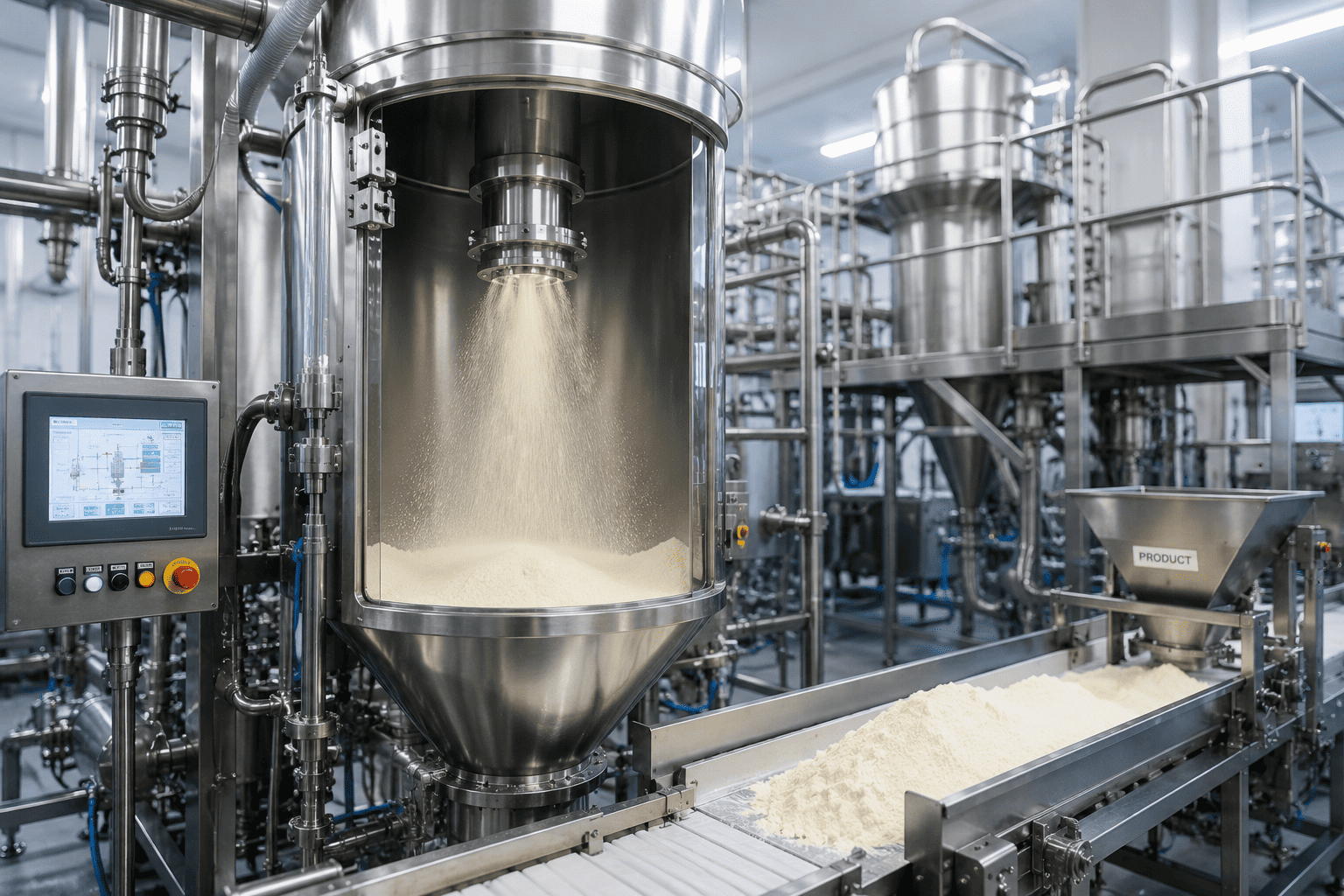
Spray drying is commonly used in food manufacturing to convert liquid ingredients into powdered form. Maltodextrin is often used as a drying aid because it supports powder stability and reduces stickiness during drying.
This is especially important in products such as:
- Beverage powders
- Functional ingredient systems
- Powdered flavour blends
Spray drying efficiency can directly affect powder quality, production stability, and ingredient preservation.
Stable Ingredient Distribution
Consistency remains one of the most important priorities in industrial food manufacturing.
Maltodextrin supports stable ingredient dispersion throughout formulations, helping manufacturers maintain more uniform product quality across production batches. This consistency is important not only for operational efficiency but also for consumer expectations and regulatory compliance.
Masda Chemical’s maltodextrin is designed for industrial-scale food manufacturing, offering a white, free-flowing powder suitable for a wide range of applications including beverages, bakery, confectionery, dairy, and convenience foods.
The product provides low intrinsic flavour, good solubility, and reliable performance as a bulking agent, stabiliser, and carrier. These characteristics make it a practical option for manufacturers seeking to optimise texture, product stability, and production efficiency.
Important Considerations When Using Maltodextrin
Although maltodextrin is widely used in the food industry, formulation requirements may vary by product category and manufacturing objectives.
Manufacturers often evaluate factors such as:
- Solubility
- Viscosity
- Moisture sensitivity
- Processing temperature
- Texture requirements
- Shelf life goals
- Ingredient compatibility
Different maltodextrin grades may perform differently depending on the application.
For this reason, selecting the appropriate ingredient specification remains important for achieving stable formulation performance.
Consistent ingredient quality also plays a major role in maintaining reliable production outcomes, especially in large-scale manufacturing environments where small formulation variations may affect batch consistency.
Industries That Commonly Use Maltodextrin
Maltodextrin is widely used across multiple food manufacturing sectors. Its flexibility across different formulations and processing systems makes it one of the more commonly used functional ingredients in modern food production.
Key industries include:
- Beverage manufacturing
- Bakery production
- Dairy processing
- Snack food manufacturing
- Confectionery production
- Nutritional product manufacturing
- Seasoning and flavour production
- Functional food manufacturing
Why Maltodextrin Remains Important In Food Manufacturing
Food manufacturing continues to evolve alongside changing consumer expectations, reformulation trends, and increasing production demands.
Manufacturers are expected to maintain product consistency, improve operational efficiency, and support large-scale production while continuing to meet expectations for flavour, texture, and shelf life.
Maltodextrin remains widely used because it supports many of these manufacturing objectives across different food systems. From beverage powders and bakery products to flavour systems and nutritional formulations, it helps manufacturers improve stability, ingredient distribution, texture consistency, and processing performance.
As food manufacturing continues to evolve, ingredients that support consistency, efficiency, and formulation stability will remain important across industrial production systems. Maltodextrin continues to play a practical role in helping manufacturers manage these requirements across a wide range of food applications.