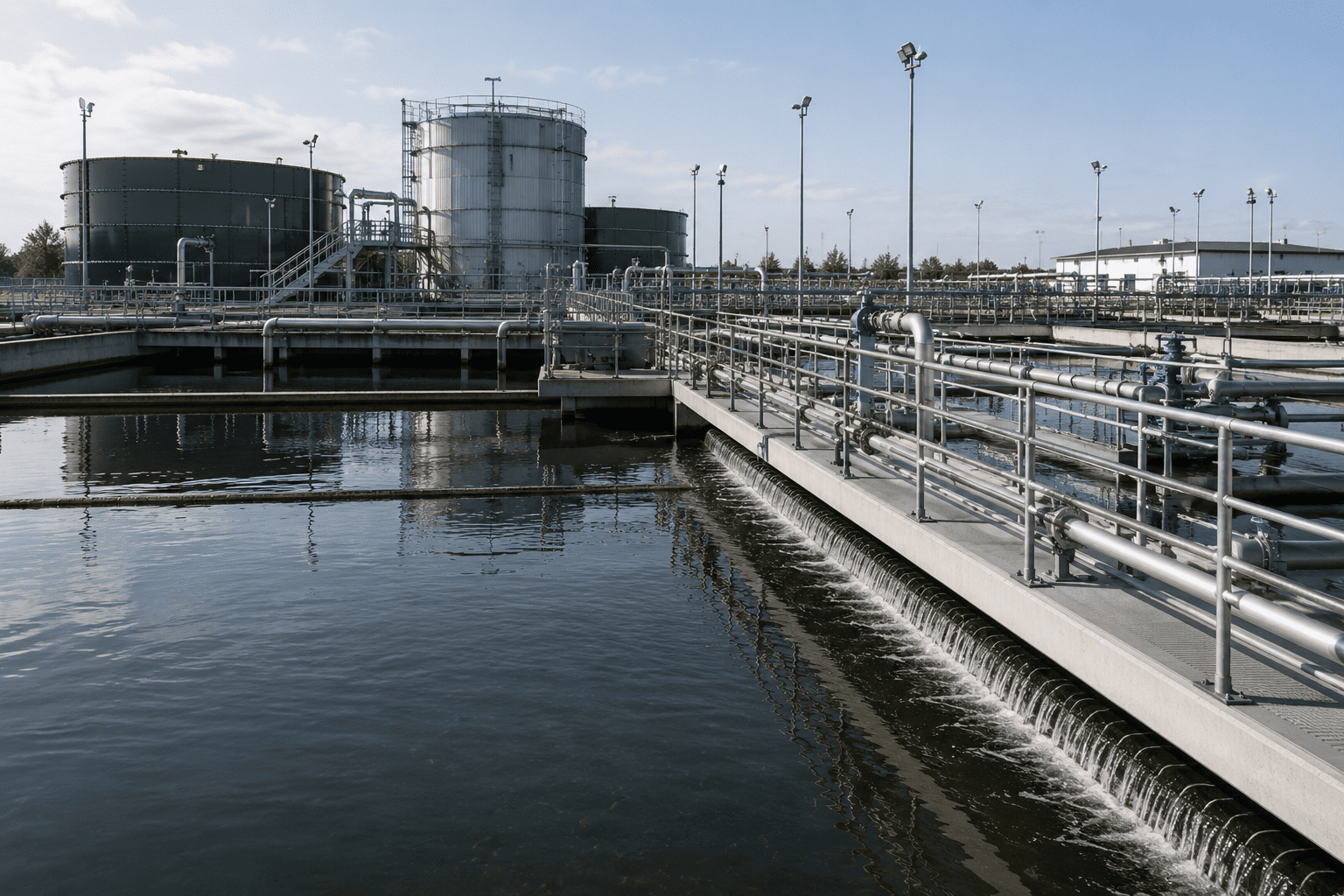
Water treatment systems today face far more complex challenges than they did even a few decades ago. Population growth, industrial expansion, urban development, and stricter environmental regulations have significantly increased the pressure on treatment facilities to deliver cleaner and safer water while operating more efficiently.
Industrial wastewater, municipal treatment plants, and advanced water recycling facilities now manage a growing range of contaminants that conventional treatment systems may struggle to remove effectively.
These include organic pollutants, colour-causing substances, microbial contamination, residual pharmaceuticals, and industrial chemicals that can persist through standard filtration and disinfection methods.
At the same time, industries and municipalities are being pushed to improve sustainability efforts and reduce environmental impact. Water reuse programmes, stricter discharge standards, and increasing concerns about emerging contaminants have accelerated the adoption of more advanced treatment technologies.
As these treatment demands continue to evolve, hydrogen peroxide has become an increasingly important part of modern water treatment strategies.
Hydrogen peroxide (H₂O₂) is widely used because of its strong oxidising properties and compatibility with advanced treatment systems.
It supports contaminant breakdown, improves oxidation performance, assists with odour control, and plays a major role in advanced oxidation processes (AOPs), which are commonly used to treat contaminants that traditional systems cannot easily remove.
This article explores how hydrogen peroxide works in advanced water treatment technologies, the problems it addresses, and why it continues to play an important role across industrial and municipal treatment applications.
Why Advanced Water Treatment Matters More Today
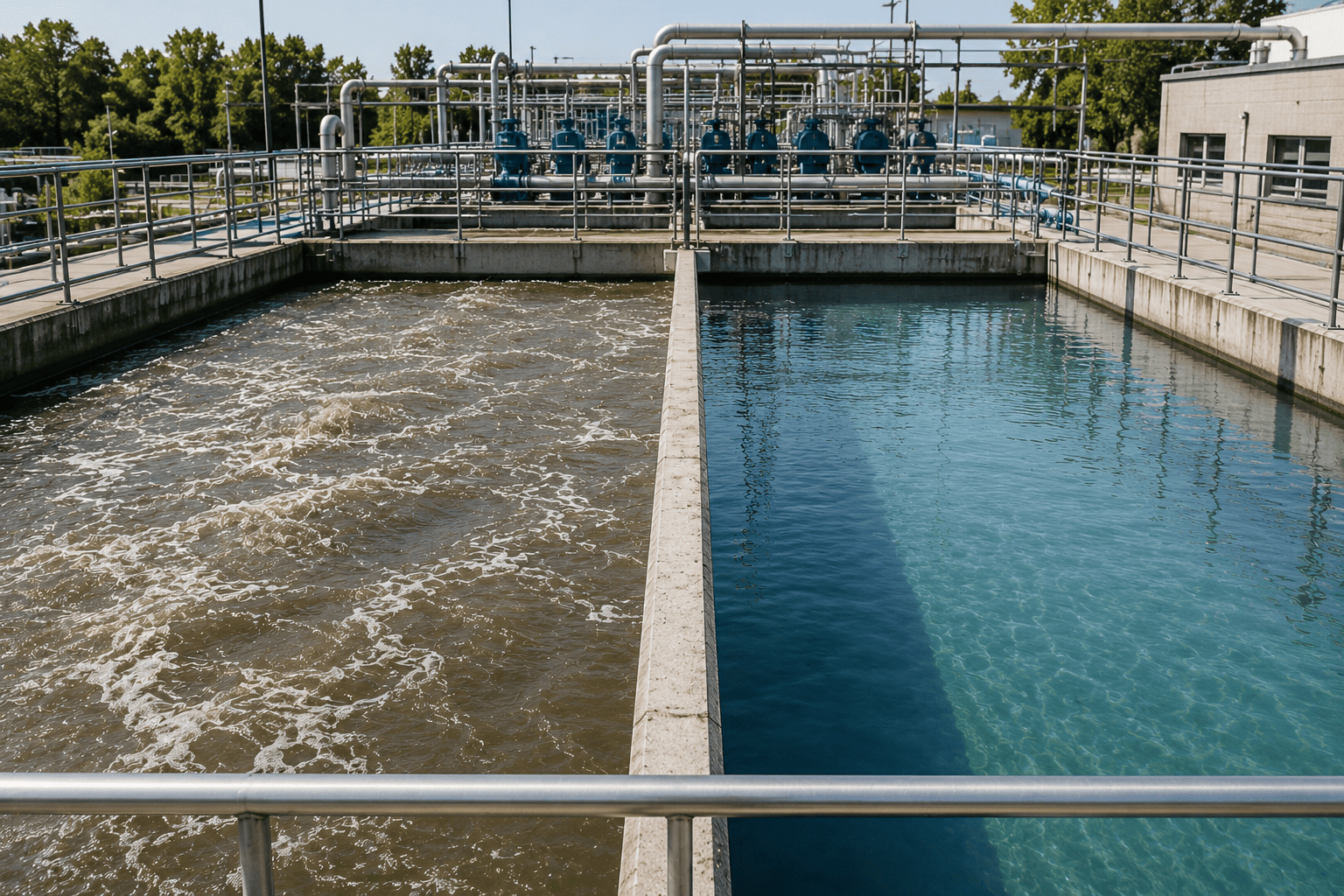
Traditional water treatment systems were primarily designed to manage suspended solids, bacteria, and basic chemical contamination. Processes such as coagulation, sedimentation, filtration, and chlorination formed the foundation of treatment operations for many years.
While these systems remain effective for many applications, water treatment requirements have become considerably more demanding.
Industrial growth has introduced more complex contaminants into wastewater streams. Pharmaceutical residues, pesticides, dyes, surfactants, solvents, and trace organic compounds are now increasingly detected in water systems worldwide.
Some of these substances are difficult to remove using standard treatment methods alone.
Water reuse and recycling initiatives have also increased the need for higher purification standards. In many regions, treated water is no longer simply discharged.
It is now recovered, reused, or processed for further industrial applications. This requires treatment systems capable of removing contaminants at much lower concentrations.
Modern treatment facilities may now need to address:
- Organic compounds
- Industrial chemicals
- Colour-causing substances
- Odour-producing contaminants
- Pharmaceutical residues
- Pesticides and herbicides
- Emerging contaminants
- High microbial loads
Conventional chlorination and filtration systems can struggle with these more advanced treatment challenges. In some cases, chlorination may also produce unwanted disinfection by-products when reacting with organic matter in water.
At the same time, authorities are tightening limits on biochemical oxygen demand (BOD), chemical oxygen demand (COD), colour, and micropollutants, making it harder to rely on biological treatment alone. This growing treatment gap has increased the demand for enhanced purification technologies and oxidation-based treatment systems that can improve contaminant removal performance.
This is where hydrogen peroxide has become a valuable solution. It offers a way to address these issues without necessarily rebuilding the entire plant.
As a strong but controllable oxidant, it can be deployed as a standalone treatment step or as an enhancer to existing biological and disinfection processes, making it suitable for a wide range of advanced water treatment applications.
How Hydrogen Peroxide Works in Water Treatment
Hydrogen peroxide functions as a versatile oxidising agent. In water treatment systems, it reacts with a wide range of contaminants and breaks them down into less harmful compounds.
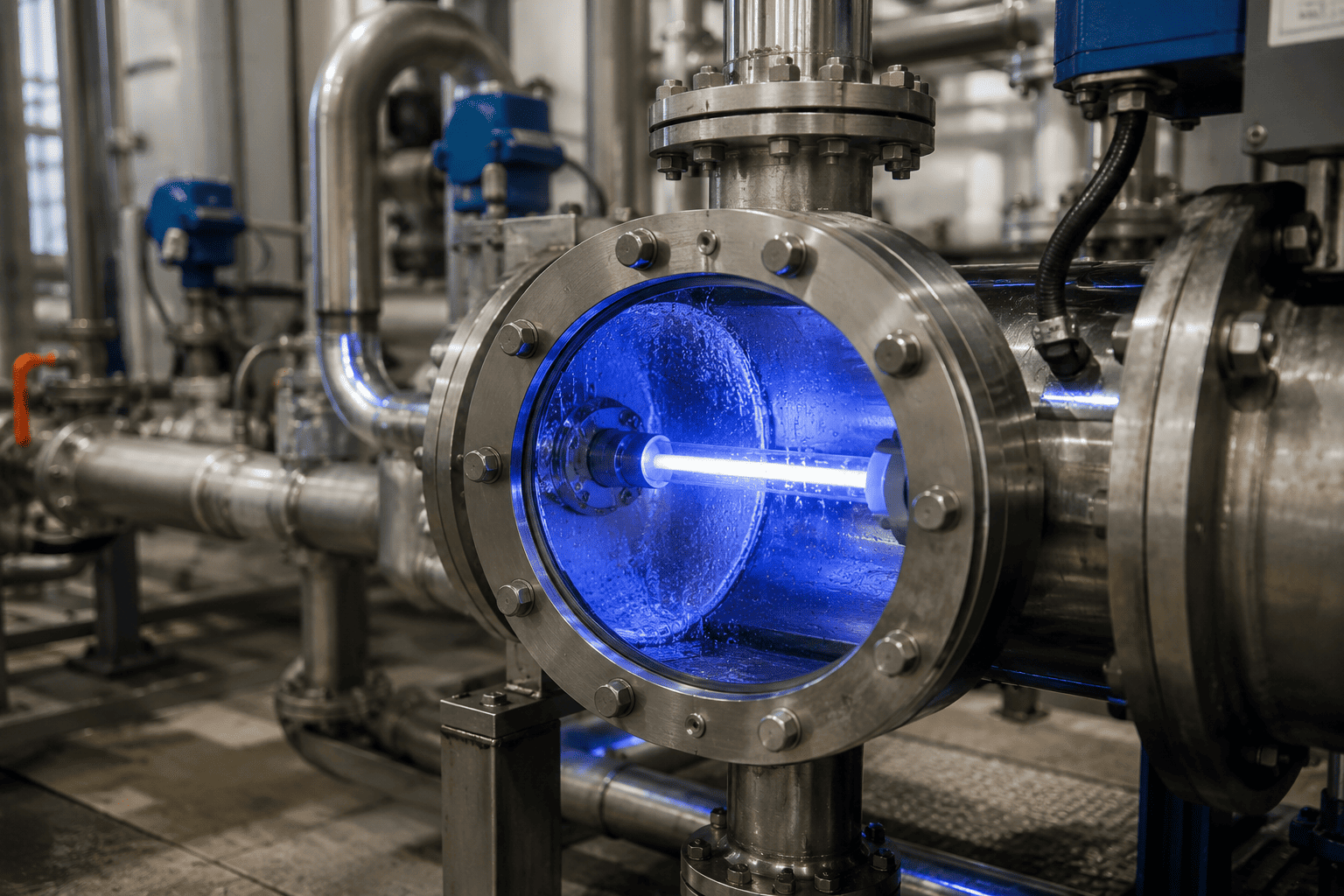
Depending on treatment objectives, hydrogen peroxide may be used independently or combined with other technologies such as:
- Ultraviolet (UV) light systems
- Ozone treatment
- Catalytic oxidation systems
- Advanced oxidation processes (AOPs)
One of the key advantages of hydrogen peroxide is its ability to break down a wide range of contaminants while decomposing into water and oxygen, leaving minimal residual by-products behind.
In advanced oxidation processes (AOPs), hydrogen peroxide is commonly used with ultraviolet (UV) light or in Fenton-type systems (with iron catalysts). This process generates highly reactive hydroxyl radicals (HO•), which break down complex organic compounds, such as phenols, dyes, and trace pharmaceuticals into smaller and more biodegradable compounds.
By attacking contaminants at the molecular level, these radicals help improve the removal of persistent contaminants from water streams.
Recent controlled studies on photo-Fenton systems using H₂O₂ have also reported removal efficiencies of 51–100% for COD, ammonia, oil, phenol and hydrogen sulphide in refinery wastewater, depending on dose and pH levels. These findings show that H₂O₂-based AOPs can significantly reduce pollutant loads that would otherwise pass through conventional treatment processes.
Case-oriented examples from recent practice
Recent adopters of hydrogen peroxide-based strategies highlight both technical and economic benefits.
At a German chemical-industry site, field trials of an advanced oxidation train using hydrogen peroxide and UV light successfully degraded trace organics such as ibuprofen and caffeine, producing effluent suitable for partial reuse within the facility.
The project framed onsite-generated H₂O₂ as a way to reduce reliance on external chemical supply chains and to lower the safety and logistics burden of handling concentrated bulk oxidants.
Overcoming Water Treatment Challenges with Hydrogen Peroxide
Organic Contaminant Removal
Industrial wastewater and recycling systems frequently contain organic contaminants that are difficult to remove through filtration alone.
These contaminants may include solvents, surfactants, processing chemicals, oils, dyes, and complex organic compounds generated during industrial production. In many cases, they affect water clarity, treatment stability, and downstream purification performance.
Hydrogen peroxide helps oxidise these compounds into smaller and more manageable substances, improving the efficiency of subsequent treatment stages.
Industries that commonly rely on oxidation support include:
- Food and beverage manufacturing
- Pharmaceutical production
- Chemical processing
- Pulp and paper manufacturing
- Textile production
By improving oxidation efficiency, hydrogen peroxide supports cleaner treatment outcomes and more consistent system performance.
Odour And Hydrogen Sulphide Control
In sewers, force mains, and treatment plants, hydrogen sulphide (H₂S) remains a persistent issue. It contributes to foul odours, corrosion of concrete and metal structures, and operational complaints. Conventional chemical control methods often rely on metal-based precipitants or strong oxidants, which can be costly and may generate secondary sludge.
Several field studies have shown that hydrogen peroxide can remove sulphide in situ by oxidising it into elemental sulphur or sulphate.
In a Moroccan urban sewer case study, H₂O₂ treatment significantly reduced H₂S levels in wastewater. This improved odour conditions while requiring relatively low dosing and producing minimal solids. Similar applications have also been reported in industrial sewer force main injection systems, where controlled hydrogen peroxide dosing helps suppress odour formation and reduce downstream corrosion.
Sustainability and Environmental Considerations
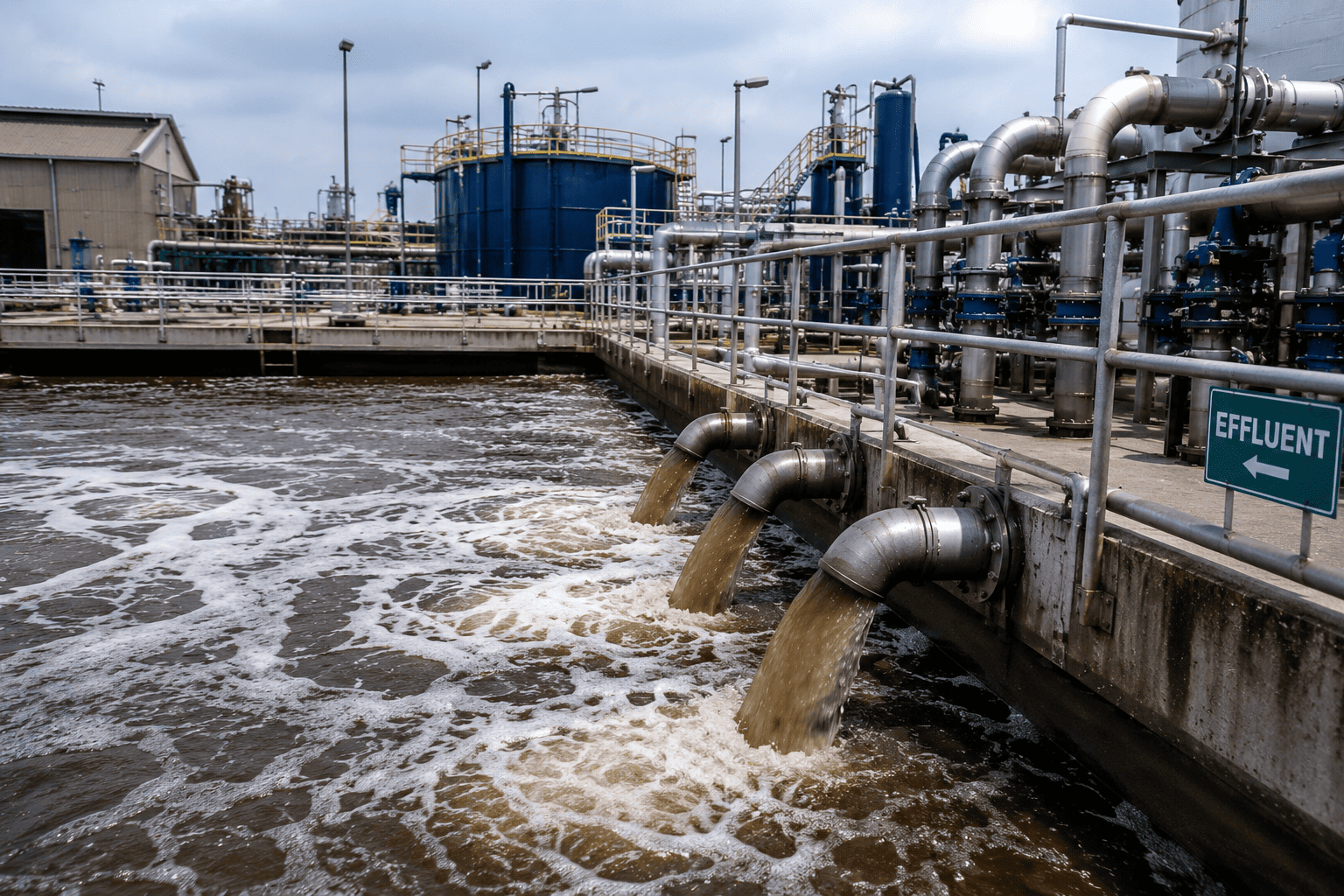
From a lifecycle perspective, hydrogen peroxide is often viewed as a more sustainable oxidant than chlorine-based alternatives. Its primary decomposition products are oxygen and water, which lowers the risk of persistent halogenated by-products. This characteristic is particularly valuable where effluent is intended for reuse or where discharge-consent limits are becoming more stringent.
Recent assessments of AOPs using hydrogen peroxide note that, while the operating cost per unit volume can be higher than for biological treatment alone, the ability to achieve lower COD, colour, and micropollutant levels often justifies the premium. When integrated thoughtfully into a plant’s overall treatment train, H₂O₂-driven oxidation can reduce the load on downstream biological or membrane units, thereby extending their service life and potentially reducing overall plant-wide costs.
How Industrial-Grade Hydrogen Peroxide Fits into Plant Operations
Industrial hydrogen peroxide is available in a range of concentrations, from 30–35% technical grades through to higher-purity solutions tailored for specific applications.
For water and wastewater treatment, plants typically use 30–35% aqueous solutions that are dosed downstream of pH control points and, where appropriate, into UV- or catalyst-assisted reactors.
Masda’s industrial-grade hydrogen peroxide is formulated for these types of applications, providing a stable, high-purity oxidant suitable for oxidation, disinfection and bio-augmentation in both municipal and industrial wastewater systems.
The product is supplied with various packaging options - from smaller containers for pilot-scale trials and polishing steps to large-scale industrial drums for continuous dosing - allowing manufacturers to align supply with process needs and safety protocols.
Because hydrogen peroxide is fully soluble in water and decomposes cleanly to oxygen and water, it fits well into plants that are under pressure to reduce chemical footprints while improving effluent quality.
Important Considerations for Hydrogen Peroxide Application
Although hydrogen peroxide offers significant treatment advantages, successful application still depends on proper system management and dosage control.
Treatment performance may vary depending on:
- Water composition
- Contaminant concentration
- pH levels
- Temperature
- Contact time
- System design
However, integrating hydrogen peroxide into an existing water-treatment scheme does not always require a complete redesign. Typical deployment points include:
- Upstream of biological treatment, to pre-oxidise recalcitrant organics and reduce shock-load risk.
- In bypass or temporary-capacity lines during maintenance or capacity-constrained periods, to supply supplemental dissolved oxygen.
- In odour-control schemes for sewers, lift stations or head-works, where H₂O₂ injection suppresses H₂S formation.
- In final-polishing AOP steps, often with UV or Fenton catalysis, to meet tight COD, colour or micropollutant targets.
Incorrect dosing can affect oxidation efficiency and operational costs. Overdosing may also leave residual peroxide within the system, which may require additional management before discharge or reuse.
For this reason, hydrogen peroxide programmes are typically supported by monitoring systems, treatment expertise, and process optimisation strategies.
Storage and handling procedures must also follow proper industrial safety standards.
Industries That Commonly Use Hydrogen Peroxide in Water Treatment
Hydrogen peroxide is widely used across industries that require advanced contaminant management and reliable water treatment performance.
Common sectors include:
- Food and beverage manufacturing
- Pharmaceutical production
- Chemical processing
- Electronics and semiconductor manufacturing
- Textile processing
- Pulp and paper manufacturing
- Municipal wastewater treatment
- Water recycling facilities
Each industry applies hydrogen peroxide differently depending on treatment goals, water quality standards, and operational requirements.
Its adaptability across different treatment systems is one reason hydrogen peroxide remains an important solution in modern water treatment technologies.
Looking Ahead: Smarter and More Integrated Uses
Water treatment requirements are expected to become increasingly complex in the years ahead.
Industrial growth, population increases, environmental regulations, and water scarcity are all driving the need for higher treatment standards and more efficient purification systems. At the same time, facilities must manage emerging contaminants and support sustainable water use strategies without compromising operational reliability.
Hydrogen peroxide continues to play an important role in addressing these challenges because of its strong oxidation performance, flexibility across treatment systems, and compatibility with advanced purification technologies.
Current research is exploring new hydrogen peroxide activators and catalyst formulations that lower the amount of H₂O₂ required while maintaining high oxidation efficiency. These developments point toward more resource-efficient AOPs that minimise chemical consumption and energy use, while still achieving stringent effluent standards.
From odour reduction and contaminant breakdown to advanced oxidation applications capable of removing trace pollutants, hydrogen peroxide supports a wide range of treatment objectives across industrial and municipal operations.
As treatment technologies continue to evolve, hydrogen peroxide is expected to remain an important part of advanced water treatment strategies focused on improving water quality, operational efficiency, and long-term sustainability.