
Maintaining effective chlorination is essential in industrial and municipal water treatment, with calcium hypochlorite playing a key role in maintaining consistent disinfection performance. For many industrial sites, chlorination addresses one challenge while introducing several operational considerations. Operators need a disinfectant that performs consistently, stores safely, and adapts to different process requirements, without creating ongoing trade-offs in logistics, dosing, or shelf life.
Additionally, industrial users typically face similar pressure points. Water treatment conditions can vary from site to site. Seasonal changes, fluctuations in source water quality, organic matter, and temperature can all affect disinfection performance. Facilities must therefore balance effective microbial control with chemical costs, storage requirements, and operational efficiency.
In this regard, calcium hypochlorite offers a practical solution to these challenges. As a stable, readily available chlorine source, it simplifies storage and dosing while delivering strong oxidation and disinfection performance. Its solid form also reduces many of the handling and storage complexities associated with bulk liquid chlorine systems.
Why Good Chlorination Management Matters
Water treatment systems must deliver consistent disinfection while maintaining operational efficiency. Poor chlorination management creates the following problems:
- Microbial Contamination Risks: Low chlorine levels allow the growth of bacteria, viruses, and algae. In cooling systems, microbial growth reduces heat transfer. In process water, contamination affects product quality. In wastewater, pathogen levels may go over discharge limits.
- Biofilm Development: Microbes stick to pipe walls, tank surfaces, and heat exchanger plates, forming biofilm layers. Biofilm reduces equipment efficiency, increases maintenance needs, and protects pathogens from disinfection. Removing biofilms requires costly mechanical cleaning or extra chemical treatments.
- Equipment Fouling: When microbial growth and biofilm accumulate, they clog filters, which reduces pump performance, contributing to corrosion of metal parts. Facilities face more downtime for cleaning, more frequent part replacements, and shorter equipment lifespans.
- Breaking Compliance Standards: Water treatment laws set minimum chlorine levels and maximum pathogen limits. Failing to maintain compliant performance carries steep consequences, including regulatory violations, unscheduled production halts, heavy financial penalties, and long-term brand damage. In Singapore, the national water agency (PUB) conducts over 500,000 tests each year for physical, organic, inorganic, radiological, and microbiological factors. Furthermore, industrial trade effluent discharge must adhere to PUB’s Sewerage and Drainage (Trade Effluent) Regulations.
- Higher Operating Costs: Ineffective chlorination generates additional chemical consumption, increases waste disposal, demands frequent maintenance, and contributes to production disruptions. When facilities use more chlorine without achieving better disinfection outcomes, operating costs can rise without delivering corresponding benefits.
For facilities relying on process water, cooling systems, or cleaning operations, water quality directly affects production efficiency and product safety. Biofilm contamination in processing lines can lead to hygiene non-compliance and product recalls. Similarly, inadequate disinfection in beverage production increases the risks of product contamination and associated regulatory, legal, and commercial consequences.
How Calcium Hypochlorite Supports Chlorination

Calcium hypochlorite, Ca(ClO)₂, is a solid chlorine-based compound that plays a practical role wherever reliable disinfection or oxidation is needed. In industrial settings, it works as a disinfectant, sanitiser, bleaching agent, and oxidiser, making it useful across multiple process streams. Plants use it in drinking-water treatment, industrial water systems, sanitation routines, textile and pulp bleaching, odour control, and the treatment of certain industrial wastes containing cyanide or other contaminants.
Its value lies not only in what it does, but in how it behaves operationally. It provides a reliable source of available chlorine, helping plants achieve effective treatment in a relatively compact product form. Because it comes as a solid, it also avoids some of the handling and storage issues associated with liquid chlorine products. That makes it easier for teams to transport, store, and dose in batch systems, backup chlorination programmes, or routine cleaning schedules.
For industrial users, this versatility matters. A factory may need one chemical to support water hygiene, another to manage odour, and another to assist with cleaning or oxidation. Calcium hypochlorite can often meet several of those needs with a single product, simplifying procurement and reducing the number of chemicals teams have to manage.
Why Plants Choose Calcium Hypochlorite
Industrial buyers usually evaluate chlorination chemicals through a practical lens. They want something effective, easy to handle, consistent from batch to batch, and compatible with the realities of plant operations. Calcium hypochlorite often performs well on those counts. It helps reduce dependence on on-site liquid storage, lessens the need for secondary containment, and can reduce the frequency of replenishment compared with some alternative chlorine sources.
Another reason plants choose calcium hypochlorite is its ability to support efficient day-to-day operations. Its fast-dissolving nature makes it easier to integrate into controlled-dosing systems, while its dry form simplifies inventory management and storage planning. In facilities where space is limited or where operators want to avoid the maintenance burden of tanks and liquid feed systems, this can make a meaningful difference. It also gives teams more control over when and how chlorination happens, which is useful in processes that do not run at a constant rate.
How Calcium Hypochlorite Supports Smarter Chlorination Management
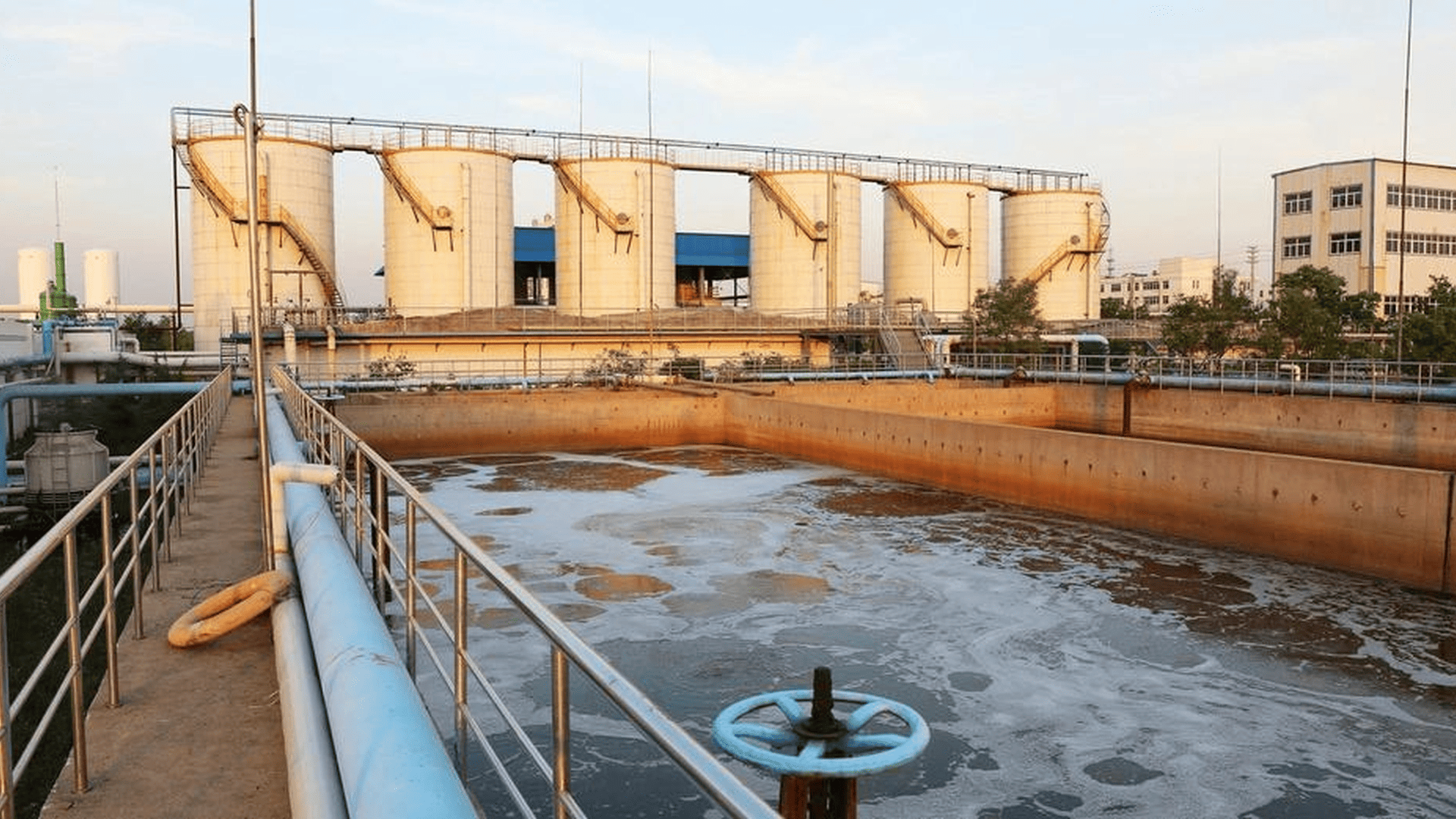
Published references consistently describe calcium hypochlorite as a practical industrial sanitiser and oxidiser, not just a basic chlorine source. The National Center for Biotechnology Information (NCBI) Water Chemicals Codex lists uses such as disinfection, colour removal, iron and manganese removal, and taste and odour control, which shows why the product appears so often in industrial water treatment programmes.
PubChem also describes it as a compound used in industrial disinfection, mildew control, textile and paper bleaching, and water treatment, reinforcing its role across several plant environments.
Research adds more detail to that picture. A 2019 in vitro study found that calcium hypochlorite solutions performed comparably to sodium hypochlorite in antimicrobial activity and tissue dissolution across the concentrations tested, suggesting it can serve as a viable chlorine-based option for demanding cleaning and disinfection tasks. A separate clinical study from 2005 also reported strong antimicrobial efficacy when calcium hypochlorite was compared with other irrigants, supporting the view that the chemistry does real biocidal work rather than offering only convenient storage advantages.
A growing body of research on textile wastewater treatment further highlights strong interest in solutions that can simultaneously reduce colour, Chemical Oxygen Demand (COD), and pathogens in industrial effluent. Studies show that textile wastewater is typically rich in dyes and organic pollutants, requiring treatment processes designed to remove colour and significantly lower COD before discharge.
This challenge is not unique to textiles. Across industries, wastewater must be treated to meet increasingly stringent discharge standards set by regulators, particularly in regions such as Singapore, where limits on COD and other parameters are tightly controlled. As a result, manufacturers face a common balancing act: achieving compliance with discharge requirements while avoiding unnecessary complexity in plant operations.
Important Considerations When Using Calcium Hypochlorite
- Storage needs: The Centers for Disease Control and Prevention (CDC) in the United States states that calcium hypochlorite should be stored in a dry, well-ventilated area below 50°C to prevent decomposition. Keep away from acids, ammonia, amines, and other oxidising agents as it can react dangerously if mixed or heated improperly. Use sealed containers to prevent moisture absorption. Set up inventory tracking to keep updated with stock levels and usage rates.
- Use considerations: Check water chemistry (pH, temperature, dirt levels) to find the best dosing. Match treatment goals (drinking water, process water, wastewater) to dosing needs. Calculate dosing needs based on water volume and target chlorine levels. Ensure equipment works well (dissolve tanks, feeders, pumps designed for solid products). Follow safety rules (gloves, eye protection, ventilation during handling).
- Monitoring needs: Measure chlorine levels frequently or continuously, depending on system requirements, with monitoring intervals determined by risk, system design, and regulatory obligations. Change dosing based on real-time water quality data. Check systems regularly to ensure levels stay within target ranges. Write down test results for legal compliance audits.
Balancing Performance and Practicality
Calcium hypochlorite is often considered a dependable treatment chemical as it can support multiple parts of the plant and fits into existing routines with minimal disruption.
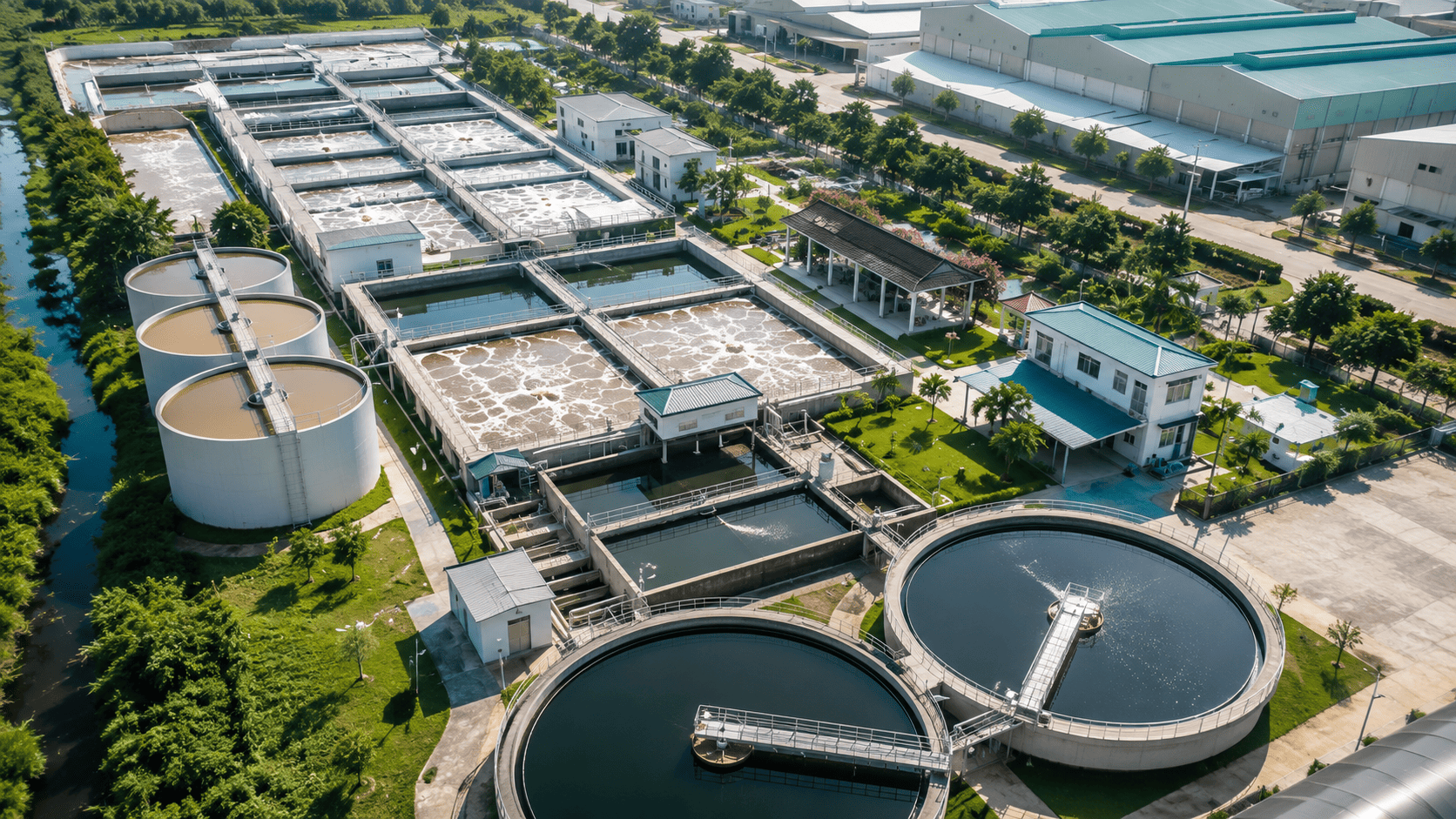
In a cooling water system, it can help maintain microbial control and support cleaner equipment performance. In sanitation programmes, it can assist with disinfecting surfaces, lines, and plant areas where hygiene is critical. In wastewater treatment, it can contribute to odour control, oxidation, and the treatment of certain contaminants, helping sites maintain stable and compliant processes.
It also suits facilities that need a flexible backup option. If a plant faces a supply issue, maintenance shutdown, or a temporary change in demand, calcium hypochlorite can provide a practical chlorination reserve.
Because it comes in different forms, including granular, tablet, and powder, operators can select the version that best matches their dosing equipment and workflow. That versatility makes it especially relevant for plants that value consistency, easier handling, and a simpler chemical inventory.
Masda Chemical’s supply approach supports that use case by offering packaging options that suit both smaller operations and higher-volume industrial users. For plant teams, the benefit is not only performance, but also convenience: a product that can slot into day-to-day operations without adding unnecessary complexity.