What Is Poly Aluminium Chloride and Why Is It Used?
PAC is produced by partial neutralisation of aluminium salts, yielding polymeric aluminium hydroxide species rather than simple monomeric ions. These polymeric species are more stable, more highly charged, and efficient at destabilising suspended particles. When dosed into raw water, PAC hydrolyses, forming flocs (aluminium hydroxide precipitates) that trap colloids, organic contaminants, and other impurities. These flocs can then be removed by filtration or sedimentation.
Compared to aluminium sulphate or alum, PAC often requires lower dosages and works more effectively across a broader pH range. It also generally reduces the need for pH adjustment. Moreover, since PAC contains polymeric aluminium species from the start, its performance would be more predictable and stable.
Poly Aluminium Chloride’s Impact on Drinking Water
1. Efficient with Cost Advantages Compared to Traditional Coagulants
In a well-cited pilot-scale study, Zarchi, Friedler and Rebhun (2012/2013) compared several commercial PAC variants with alum using very-low-turbidity surface water (∼1 NTU) and pilot filtration columns. They found that multiple PAC variants were as efficient or more efficient than alum for direct filtration — and, notably, PAC treatments did not require acidification of the water prior to coagulation, unlike alum. The same researchers used the ferron assay, a chemical technique, to measure the speciation of aluminium (monomer, polymer, large colloids) during coagulation. They observed that high-basicity PACs maintain a distribution heavily weighted toward polymeric species (rather than monomeric), even at typical water-treatment pH (~7–8). These polymeric species are especially efficient in charge neutralisation and floc formation — which explains PAC’s strong performance and low residual aluminium.
Because PAC often does not require pH adjustment (no need to add acid or base), the total chemical cost of treatment is significantly reduced. In this study, shifting from alum to PAC (without acid/base adjustments) resulted in substantial chemical cost savings, making PAC more economically attractive.
2. Optimising Dose and pH
Other studies (e.g. theoretical or modelling work) have shown that the optimal dose of PAC depends heavily on the water’s turbidity, pH, and chemistry. For instance, in artificial-turbidity experiments, researchers identified the optimal PAC dose for the best removal efficiency around natural water pH (neutral to slightly alkaline with pH range 7 - 8.5). This underlines that while PAC is robust, correct dosing remains important.
3. Long-Term Water Quality and Residual Aluminium
Because PAC and alum add aluminium to the process, treatment systems must control residual (acid-soluble) aluminium in finished water. As PAC also produces polymeric aluminium species that are more stable, the risk of residual (dissolved) aluminium while still around, is still generally lower than with alum — especially monomeric forms, which are more mobile and potentially bioavailable. Nonetheless, residual aluminium must still be monitored carefully, because under certain conditions, smaller soluble species or colloids may form. The World Health Organization and the U.S. Environmental Protection Agency further recommend keeping acid-soluble aluminium low (many utilities target <0.1–0.2 mg/L) to prevent aesthetic problems and reduce distribution-system issues.
Case Studies: Real-World Applications with Poly Aluminium Chloride
1. Surface Water Plant Optimising Poly Aluminium Chloride
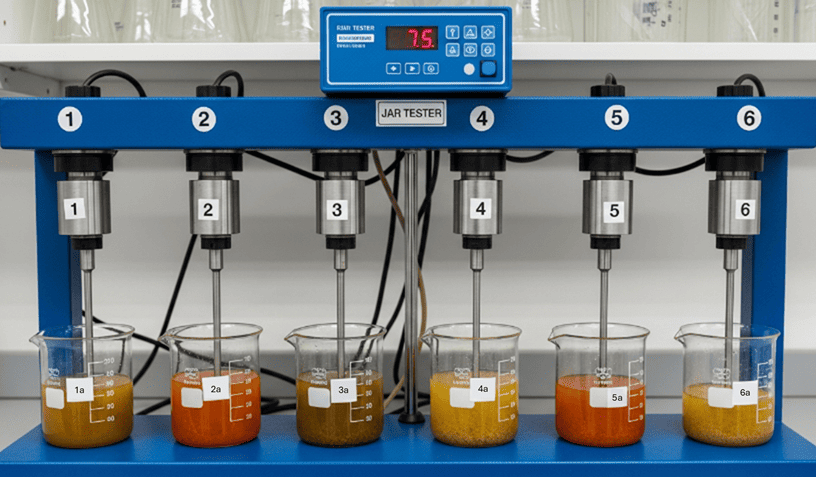
The Barekese Water Treatment Plant case offers a practical playbook for utilities and industrial users considering PAC optimisation. Operators used jar testing to evaluate PAC across different pH and mixing regimes and found that a dose of 15 mg/L at pH 7.5–8.0 and a two-stage mixing regime (rapid then slow mixing) gave the best turbidity and colour removal.
The same study highlighted that overdosing PAC above 20 mg/L at low pH (around 6.0) actually worsened turbidity and colour because colloidal surfaces became oversaturated with positive charge, preventing effective floc formation. For procurement teams, this underscores the importance of pairing product selection with technical support for jar testing and process control rather than simply buying higher-dose or higher-grade PAC.
2. Eutrophic Water Body Restoration
Beyond plants and factories, PAC has also been applied in environmental restoration projects targeting eutrophic lakes and ponds. A field experiment in Thailand used PAC to treat a hyper-eutrophic shallow pool, dosing the water body to precipitate phosphorus and suspended solids as part of a restoration strategy.
While the intervention improved water clarity and reduced nutrient levels, recent research from the Society of Environmental Toxicology and Chemistry notes that PAC dosing for ecological restoration should also consider short-term toxicity to aquatic organisms and potential impacts on biochemical processes. This is relevant for industrial users discharging into sensitive environments, where residual coagulant and flocs may interact with downstream ecosystems.
Potential Risks and Health Considerations
Although PAC brings many benefits, there are potential concerns that need to be managed:
Residual Aluminium: If not optimised, PAC can leave aluminium species in the treated water, which could raise health concerns. Speciation (i.e., the form in which aluminium remains) is crucial. While polymeric species are generally less mobile and less likely to lead to toxicity, regular monitoring should be enforced.
If residuals continue to rise, consider changing coagulant spec (basicity), improve mixing / flocculation or upgrade the clarification / filtration. Regulatory bodies such as The World Health Organization, the U.S. Environmental Protection Agency, national bodies) also provide target ranges which could be used as guidance.
- Sludge Disposal: PAC often produces denser and drier sludge compared to alum. The flocculant sludge may contain aluminium in forms that could be problematic if simply disposed of in the environment. Facilities must characterise and manage this sludge responsibly.
- Operational Complexity: While PAC often reduces chemical costs, correct dosing is more sensitive than with some other coagulants. Factors such as pH, water alkalinity, and natural organic matter (NOM) influence the effective dose. As some water-treatment papers show, choosing the right PAC (e.g. basicity) must be matched to water chemistry.
- Long-Term Safety: Even though PAC often produces less monomeric aluminium, long-term exposure to low aluminium levels in drinking water continues to be a subject of scientific debate. Some regions may have stricter regulations for residual aluminium, so water treatment professionals must consider local standards.
Selecting The Right Poly Aluminium Chloride Grade
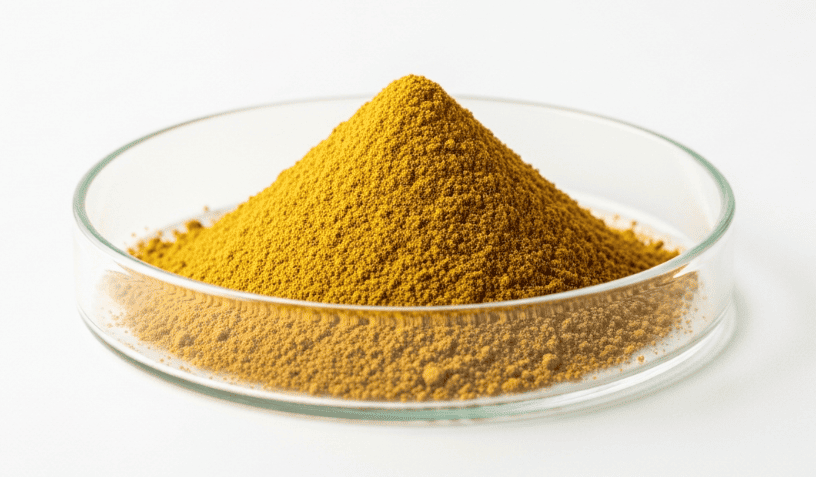
Chemical suppliers differentiate PAC into drinking-water grade and industrial-wastewater grade, with variations in aluminium oxide content, basicity, impurity levels, and physical form. Drinking-water grades typically come with certifications such as NSF/ANSI 61 and REACH compliance, ensuring suitability for portable applications and giving procurement specialists clear documentation for audits and tenders.
Industrial grades are optimised for contaminants such as dyes, heavy metals, and high-suspended-solids streams and are widely used in sectors like textiles, paper, petrochemicals, and mining. Procurement specialists should match the grade selection with application, required certifications, and local regulations, as well as validate performance through supplier technical data, references, and site-specific pilot trials.
Operational Best Practices for Purchasing Poly Aluminium Chloride
For water-treatment companies or buyers considering PAC, here are some practical recommendations based on scientific evidence:
1. Conduct Pilot Jar Tests
- Before large-scale implementation, test PAC with your specific water (using jar tests) to find optimal dose, flocculation time, and pH.
- Monitor residual aluminium and turbidity under different PAC grades (e.g. varying “basicity”) to select the most efficient variant.
2. Speciation Analysis
- Use speciation tools (e.g. the ferron assay) or work with analytical labs to understand what aluminium species remain after coagulation. This helps evaluate safety and performance.
- Tracking monomeric vs polymeric species can guide whether the chosen PAC is optimal.
3. Control pH and Alkalinity
- While many PAC types do not require pH correction, knowing your water’s alkalinity is critical. Matching PAC basicity (degree of neutralisation) with alkalinity can maximise coagulation efficiency and minimise residual aluminium.
- Maintain consistent operational conditions; fluctuations in pH or alkalinity can change PAC performance.
4. Manage Sludge Responsibly
- Characterise the sludge for aluminium content and speciation.
- Explore safe disposal routes or potential reuse options, but only after assessing environmental risks.
- Ensure sludge handling practices (such as thickening, dewatering) comply with discharges or reuse regulations.
5. Continuous Monitoring
- Implement a monitoring programme for residual aluminium, turbidity, and other water-quality parameters.
- Reassess PAC dosage and operational settings as raw water quality changes (for example, with seasonal variations).

Key Takeaway: A Balanced Conclusion
Poly aluminium chloride (PAC) offers a scientifically robust and operationally efficient solution for water treatment. Compared to traditional aluminium sulphate, PAC’s polymeric aluminium species provide stronger coagulation, lower required doses, and often reduced costs — as demonstrated by pilot-scale research and water treatment plants.
However, PAC is not risk-free. Residual aluminium, the nature of aluminium (speciation), and sludge management remain critical areas of concern. Proper dosing, speciation analysis, and responsible sludge handling are essential to ensure water safety and environmental sustainability.
For procurement specialists and water-treatment professionals, the key message is clear: PAC can deliver superior performance, but only when matched well to water chemistry, controlled carefully, and monitored continuously. With the right implementation, PAC can be a very positive element in improving water quality and operational cost-effectiveness.