Description
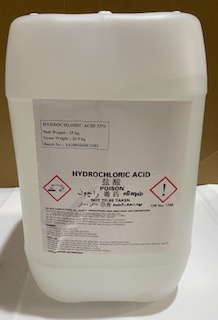
Rust and oxide scale can interfere with further treatment or coating of steel. Hydrochloric acid (HCl) is used in steel pickling to dissolve these deposits, helping prepare the surface for the next stage of processing.
The same strong acidity makes HCl useful for reducing pH in suitable alkaline process streams and as a reactant in the manufacture of chloride compounds.
Selecting hydrochloric acid requires attention to concentration, relevant impurity limits and equipment compatibility. As it is corrosive, buyers should review the specification and Safety Data Sheet (SDS) for the exact product being supplied before use.
FAQ
How does hydrochloric acid work in steel pickling?
It reacts with iron oxides, helping dissolve rust and oxide scale from steel surfaces. Suitability depends on the steel, the process conditions and the selected acid concentration.
Can hydrochloric acid be used on all metals?
No. Hydrochloric acid can react with and corrode many metals. Metal compatibility, process conditions and equipment materials must be assessed before use.
How do I choose the appropriate hydrochloric acid concentration?
Choose according to the intended process and its technical specification. Steel pickling, pH adjustment and chemical manufacturing may have different concentration and impurity requirements. Confirm the specification of the offered grade.
Is hydrochloric acid the same as muriatic acid?
Yes. Muriatic acid is a common name for hydrochloric acid in aqueous solution. However, products sold under either name can differ in concentration and impurity profile, so specifications should be compared.
What documentation should I review before using hydrochloric acid?
Review the supplier specification or Technical Data Sheet (TDS) and the current Safety Data Sheet (SDS) for the exact product and concentration. Check them against the application, material compatibility and handling requirements.