What is Citric Acid & Why It Matters?
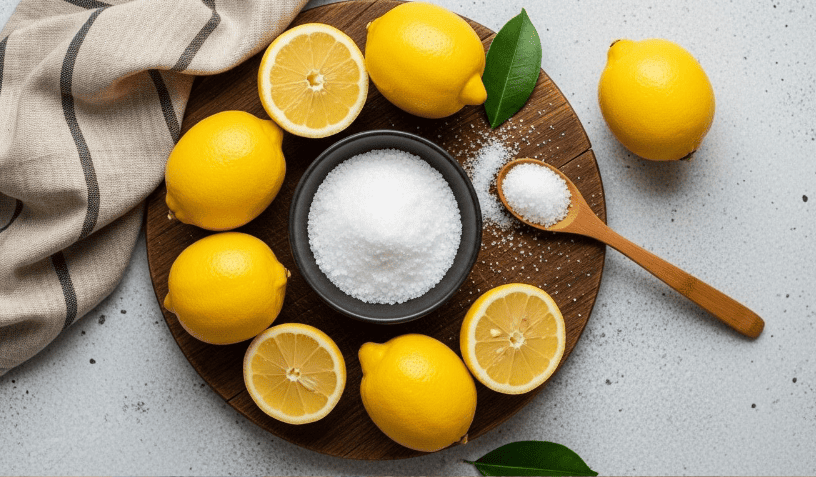
Citric acid is a weak organic acid, naturally and abundantly found in citrus fruits like lemons, limes, and oranges. Industrially, it’s produced through fermentation - primarily using the non-toxic mould Aspergillus niger, owing to its scalability. It is "generally recognized as safe" (GRAS) for consumption by the US Food and Drug Administration (FDA) and Food and Agriculture Organization of the United Nations (FAO). Citric acid is also used in both anhydrous and monohydrated forms. It is further valued for its strong acidity, high solubility, and chelating capacity, making it a versatile choice ingredient across multiple sectors such as food, beverage, dairy, and various proteins.Key applications in food:
- Flavour & Acidity Regulator: Enhances the sour / tart taste and balances sweetness.
- Preservative &Antimicrobial Agent: Helps slow down or prevent growth of bacteria, yeasts and moulds.
- Antioxidant & Chelating Agent: Binds metal ions (like iron, calcium) that are naturally present in food that could catalyse spoilage.
- Textural Aid & Colour Stabiliser: Helps retain firmness (for example in fruits) and maintains original colour (prevents browning).
Research Findings & Case Studies: How Citric Acid Protects Food Quality
- Food Preservation (Sorathiya et al., 2025): A recent study in the Sustainability journal highlights how citric acid is widely used as an antimicrobial, flavour enhancer and preservative. It’s especially effective for food and beverage products such as fruit juice, ice cream and marmalades. In particular, at certain concentrations and proper pH (acid) level, citric acid has shown stronger inhibitory effect against microbes compared to some other weak acids like lactic or acetic acid.
- Microbiological Stability: In studies with tomato juice, adding citric acid (plus other antimicrobials) improved microbiological stability. It reduced spoilage, maintained flavour and shelf life during storage.
- Preventing Postharvest Decay and Maintaining Nutritional Quality: A 2019 study (Yang et al.) showed that treating fresh fruit (postharvest) with 10 g/L citric acid (i.e. 1%) reduced decay and helped retain texture, flavour, and nutritional quality during storage.
- Sensory Study - Preservation & Taste: In India, a study tested different ratios of citric acid and malic acid in lemonade. They found that using 80% citric acid + 20% malic acid gave the best taste (sensory score), while also maintaining microbial safety and keeping the drink fresh under refrigeration.
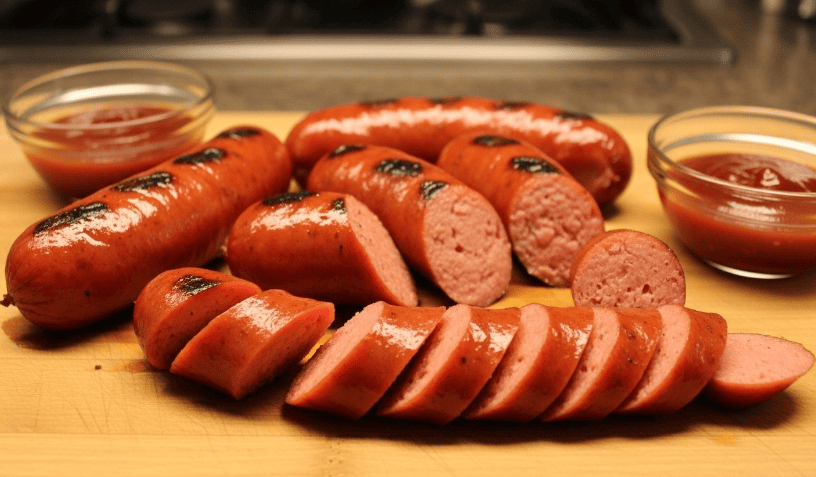
- Meat Processing: Citric acid is also added during the curing and cooking of meats. Research confirms it helps stabilise colour by chelating metals that would otherwise catalyse oxidation. Further, it is able to synergise with sodium nitrite to inhibit spoilage organisms and maintain desired flavour profiles.
Choosing & Using Citric Acid in Your Products
Based on how it works and what studies show, here are practical guidelines for buyers and users.
| Factor | Why It Matters | What to Check / Do |
|---|---|---|
| Concentration / Level | Too little won’t preserve or affect flavour; too much can make the product too sour or affect texture. | Use tested amounts, e.g. 0.5-1% by weight in juices, 1% or more in preserving whole fruit. Check flavour impact. |
| pH of the Product | Citric acid works better when pH is low (acidic). Some bacteria cannot grow well under low pH. | Monitor pH; adjust with citric acid or combine with other acids (malic etc.). |
| Type of Food / Matrix | Liquids, fruits, juices, frozen products, dairy all respond differently. Texture, fat content, and sugar content affect how citric acid reacts. | Test in small batches; observe flavour, texture, colour changes. |
| Storage Conditions | Heat, light, air exposure, and duration all influence spoilage and flavour loss. Citric acid efficacy can drop under adverse conditions. | Store products cool, dark; use proper packaging; avoid long time at high temperature. |
| Regulatory / Safety Considerations | There are food law limits; GRAS status applies; allergens or interactions may matter. | Ensure ingredients comply with local food safety law; check purity; check any residue or unwanted flavours. |
Safety, Handling, and Quality
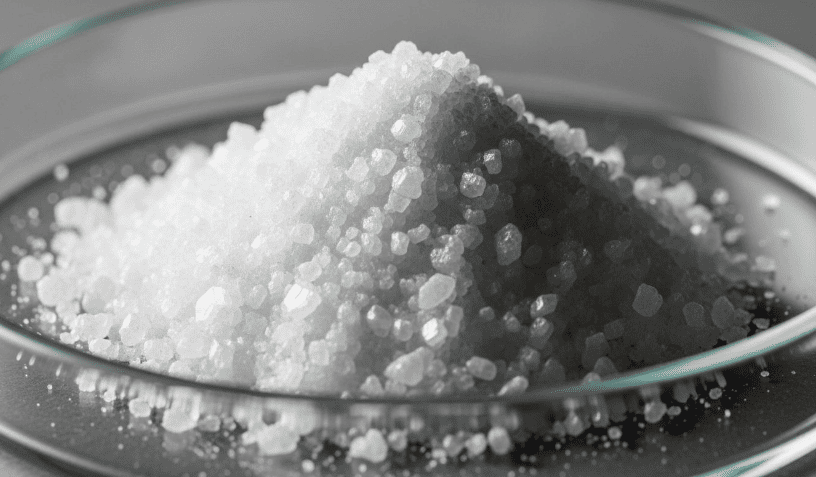
Even though citric acid is considered safe compared to many food additives, there are still areas to watch out for and best ways to handle it.- Purity & Grade: Make sure to use food-grade citric acid which are free from unwanted contaminants. High purity helps avoid off-smells or tastes.
- Acidity Effects: Very high acid (low pH) can damage teeth enamel, irritate taste buds, or affect delicate ingredients. Avoid overuse.
- Storage: Keep citric acid powder/crystals dry and sealed in a cool place; avoid humidity so it doesn’t clump. Once mixed in food, store product as recommended (e.g. refrigeration if needed).
- Interaction with Other Ingredients: Citric acid can interact with metals (due to its chelation ability), affecting colour or causing metallic taste if utensils or packaging are reactive. Choose non-reactive containers.
- Consumer Labelling / Regulatory Limits: Follow local food regulations for maximum permitted levels; ensure labelling is clear and accurate.
Market Drivers and Consumer Trends
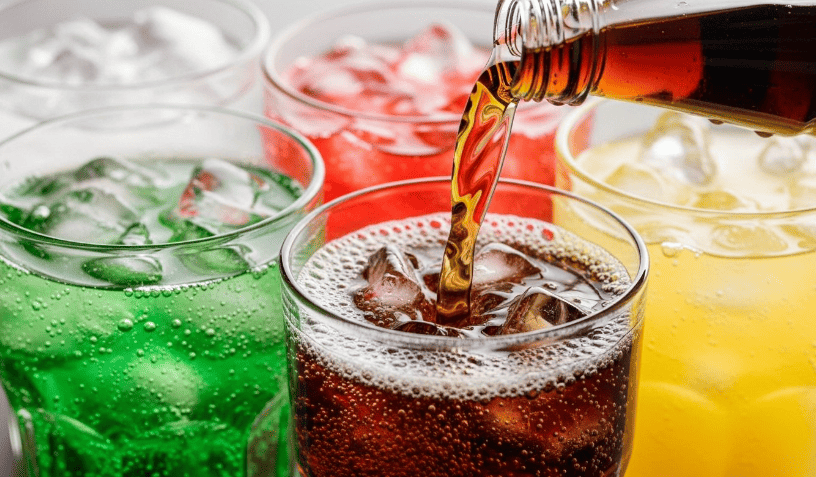
Citric acid has long been a key ingredient in the global food and beverage sector, with nearly 75% of its consumption dedicated to carbonated soft drinks as an acidulant. The market’s future remains vibrant, fuelled largely by shifting consumer preferences in emerging economies.
Rising incomes, urbanisation, busier lifestyles, and greater disposable spending have accelerated demand for ready-to-drink beverages and processed foods. At the same time, consumers are becoming more mindful of health and wary of synthetic additives. This shift has propelled natural alternatives - such as citric acid - valued for their safety, versatility, and organic origins - into the spotlight. Supported by regulatory clarity, including its GRAS (Generally Recognized as Safe) status in the U.S., the citric acid market is expected to surpass USD 4.5 billion by 2030, creating opportunities for both established players and new entrants.Health, Safety, and Regulatory Perspective
Classified as GRAS, citric acid and its derivatives - such as sodium citrate and calcium citrate - are widely used across nutraceutical and pharmaceutical products. While a few rare reports have highlighted inflammatory or allergic responses in highly sensitive individuals, these instances remain limited, typically occurring only with high intakes of heavily processed foods. Overall, citric acid continues to enjoy a strong reputation for safety and reliability.
Final Thought: Citric Acid – A Simple Acid
Citric acid is not just an additive – it’s a safe, natural, versatile ingredient used to balance taste and ensure food safety. It enhances flavour, prevents spoilage, maintains texture and colour, as well as extends shelf life - making it a key staple in modern food production. With proper use and handling, it elevates both taste and safety while reducing dependence on artificial additives.Produced from the intricate process of fermentation, this acid has enabled year-round access to to a wide variety of foods from fizzy drinks to sauces and ready meals. More than just a functional ingredient, citric acid stands as proof of how natural solutions can drive healthier choices, safer foods, and sustainable growth for the food industry.
About Masda Chemical
Masda Chemical is a well-established company headquartered in Singapore since 1975. It operates primarily as an importer, exporter, and stockist of food ingredients and industrial chemicals. Representing a group of manufacturers and trading organisations known for their high-quality products, the company caters to diverse, specialised needs across multiple industries in the Asia-Pacific region. Its extensive network includes sales offices in China, Indonesia, Malaysia, Thailand, and Vietnam, enabling efficient service and regional reach.