What Is Cement Remover? Types and How They Work
The Chemical Challenge: Breaking Down Cement
Cement, the main components of concrete and mortar, is a finely engineered blend that transforms into a stone-like structure through hydration. When water interacts with its primary compounds - calcium silicates and aluminates - it triggers reactions that create a resilient and durable matrix. Yet, this very strength often poses a challenge: residual splatter or hardened deposits left behind on tools, formwork, vehicles, and finished surfaces can lead to inefficiencies, added costs, and unwanted blemishes. Traditionally, the removal solution has been brute force chemistry.Strong acids such as hydrochloric acid (HCl) and sulphuric acid have long been the go-to options for cement removal. While undeniably effective, they bring significant downsides - corrosion of metals, environmental hazards, and serious safety concerns arising from toxic vapours and highly exothermic reactions.
Cement Remover: Chemistry Meets Function
A cement remover is a chemical (or blend of chemicals) designed to dissolve or loosen hardened cement, mortar, grout, or concrete residues from surfaces - tile, stone, metal, concrete forms, and tools. The goal is to restore the appearance (clean finish), prevent damage from continued cement buildup, and allow surfaces to function as intended (e.g. sealing, painting, tiling).
Depending on strength and formulation, removers can be mild or quite aggressive. The most common and potent type of cement remover is acid-based. Key active ingredients often include acids (phosphoric, glycolic, or others), surfactants, inhibitors to protect substrate materials, corrosion inhibitors for metal surfaces, and sometimes neutralisers. When applied to cement, the acid initiates a chemical reaction with the cement’s alkaline components, essentially dissolving the cement and breaking down its bonds. The residue then becomes a soft, crumbly material that can be easily scrubbed and rinsed away.
The approach is not one-size-fits-all. Sensitive surfaces like polished stone, painted metal, or certain ceramics demand gentler formulations; hardened concrete equipment might require stronger acids or acid blends.
Use of cement removers must be done with safety in mind: acid-proof gloves, face protection, ventilation, and neutralising and rinsing protocols. Material Safety Data Sheets (MSDS) for many industrial cement removers stress precautions. For instance, a standard cement remover MSDS shows that exposure to acids can cause severe skin or eye damage unless proper protective equipment is used.
Major Types / Chemical Classes
While there are many brands of cement removers, most of them removers fall into the following categories:
| Type | Main Active Ingredient(s) | How It Works | Pros | Limitations |
|---|---|---|---|---|
| Strong inorganic acids (e.g. hydrochloric acid, phosphoric acid, sulfamic acid) | Acids react with cement (calcium compounds, silica etc.), dissolving mineral components and releasing them from their bonds, to be rinsed off. | Fast action; effective even on hardened and thick deposits. | Very effective; low cost. | Highly corrosive; dangerous; can damage acid‐sensitive surfaces (marble, limestone, some bricks); fumes. |
| Organic / mild acids / chelating acids (e.g. citric acid) | These acids are less aggressive. They chelate or bind calcium, helping dissolve cement residues without strong acid fumes. | Gentler on surfaces; safer to handle. | Less toxic; better for more delicate surfaces; more environmentally friendly. | Slower; may need more contact time; less effective on very thick or old deposits. |
| Solvent / sulfoxide‐based removers (novel formulations) | Use high concentration of certain solvents (e.g. dimethyl sulfoxide, DMSO, or other dialkyl sulfoxides), combined with moisture absorption inhibitors and surfactants, to penetrate and release cement residues. These are often neutral to mildly alkaline in pH. | Effective penetration; less aggressive chemical damage; better compatibility with various materials. | Less odour / fumes; safer for some surfaces; less risk to skin and tools. | Typically, more expensive; performance dependent on correct formulation (moisture, solvent strength); may require longer contact time. |

Surface Protection: How to Keep Surfaces Looking Good Longer
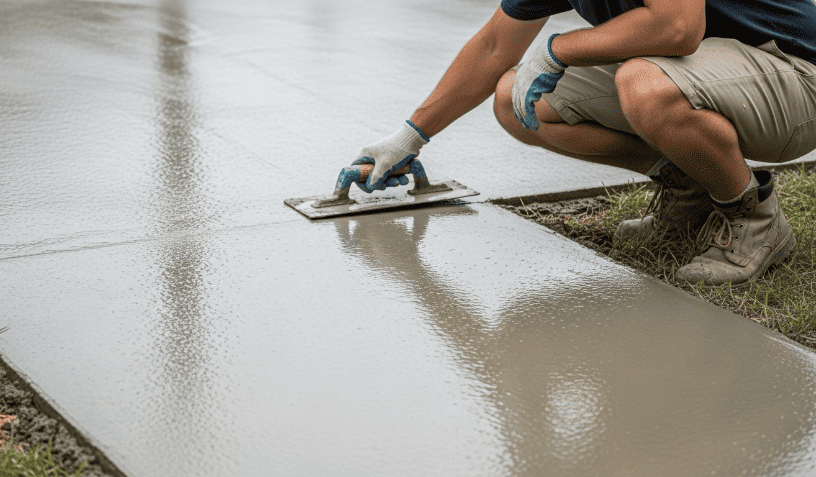
Once cleaned, surfaces benefit from protective treatment: coatings, sealants, or topical applications that guard against environmental degradation, moisture penetration, acid rain, carbonation, freeze-thaw cycles, and other stressors. In concrete, surface treatments can significantly slow down deterioration. For example, a recent review on organic, inorganic and nano-based coatings show these treatments reduce the rate at which concrete surfaces deteriorate under environmental stress. They strengthen resistance to chloride ion penetration, carbonation, and moisture ingress.
- Temporary Surface Protection: For short-term projects, such as a quick masonry repair or a new flooring installation, temporary coverings are often the first line of defence. These can include adhesive plastic films, wax-coated cardboard sheets, or peelable liquid coatings. These barriers are designed to be easily applied and removed, capturing any accidental drips or spills before they can set.
- Permanent Coatings: For a more robust and long-lasting solution, permanent protective coatings are applied to the substrate itself. These are particularly important for surfaces that will be exposed to regular wear and tear or harsh chemicals. The most common types include:
-
Epoxy and Polyurethane Coating: Known for their exceptional durability and chemical resistance, epoxy and polyurethane coatings are a two-part system that cures into a hard and non-porous layer. They are widely used for protecting concrete floors in industrial warehouses, garages, and commercial kitchens, where they prevent oil, chemicals, and moisture from penetrating the concrete. Their strong adhesion and resilience enables them to be a powerful barrier against both staining and physical abrasion.
Polyurethane coating is also often applied as a topcoat over epoxy. It’s slight elasticity also helps it bridge minor cracks, providing an extra layer of protection. - Silane- and Siloxane-based Sealers: These are penetrating sealers that don't create a visible surface film. Instead, they penetrate deep into the substrate - such as concrete or brick - and react to form a water-repellent barrier. This prevents moisture ingress, which can lead to freeze-thaw damage, efflorescence (white mineral deposits), and the ingress of corrosive agents.
-
Research Findings: Formulations, Efficacy, and Innovations
- Composition patents: Novel cement remover formulations have been developed involving dialkyl sulfoxides (such as DMSO), surfactants, pH regulators, and moisture inhibitors. These aim to dissolve cement-based residues with enough strength yet reduce damage or risk to underlying materials. Additionally, sulfoxide-based cement removers (70–95% DMSO/EMSO/DESO + inhibitors + surfactants) rated highest (5/5) for removal efficiency, kept water absorption ≤0.05%, and were safe with low-odour. It was also found to be surface-friendly.
- Surface coating effectiveness in concrete: A study in the Coatings journal shows that applying hydrophobic, film-forming coatings reduces water absorption by more than 75% in concrete. Chloride ion diffusion, carbonation depth, and freeze-thaw resistance all improved when appropriate surface treatments are used.
Case Study: Real-World Application
- Protective Coatings Extending Concrete Lifespan: From a review from the RSC Sustainability - applying epoxy, or siloxane coatings to concrete exposed to environmental stress (moisture, carbonation, chloride) significantly improves service life. One exposure class study (XC4) estimated that untreated concrete might last about 40 years under harsh conditions, whereas with certain coatings, longevity could be further extended.
Key Considerations: What to Know Before You Use or Apply
Using cement removers and surface protection chemicals safely and effectively involves balancing several factors:
- Material compatibility: Some acids or harsh removers will damage acid-sensitive materials (marble, limestone, natural stone, certain metals). Always test on a small area first.
- Dilution and contact time: Many removers require proper dilution and must be kept wet for a certain period. Curing, drying, or heat can reduce efficacy or cause uneven removal.
- Rinsing and neutralisation: After acid or chemical removal, thorough rinsing and sometimes neutralisation (with alkaline agents) are required to avoid leaving behind acidic residues that can cause further damage.
- Protection afterwards: A cleaned surface is vulnerable - protective coating should follow. Coatings must be chosen based on exposure scenario including UV, moisture, chemicals and traffic. Surface texture, porosity, and environmental factors all influence which protection works best.
- Safety: Always use personal protective equipment (PPE) - gloves (acid proof), eye protection, face shields and ensure adequate ventilation, and work in shade. Test on a small area first to check for damage or discoloration before full application.
Environmental & Disposal Aspects
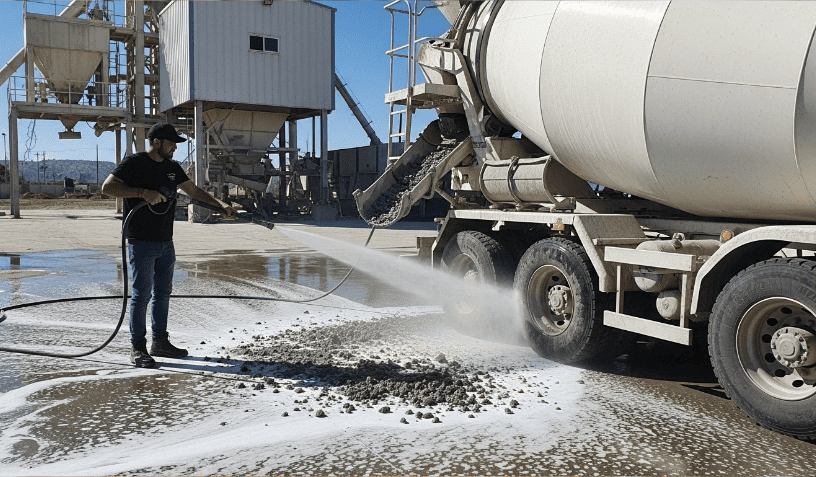
While worker safety is paramount, the environmental footprint of chemical cleaning cannot be overlooked. Run-off from acidic removers is not only corrosive to plumbing systems but also poses risks of soil and water contamination if left unmanaged. Responsible practices demand a thorough rinse with neutralising agents, followed by careful collection and treatment of the wastewater.
With construction moving toward greener practices, the proper disposal of chemically contaminated by-products have become a pressing issue. Recycling concrete demolition waste (CDW) into aggregates offers a promising solution, but only when the material is free from hazardous residues. This underscores the need to balance effective cleaning and sustainable outcomes.
Final Thoughts: A Calculated Approach
Removing hardened cement is a routine yet complex task in construction. Choosing the right remover - whether a fast-acting acid or a gentler, eco-friendly formulation - requires careful assessment of both the surface and the broader project needs. Equally vital is strict adherence to safety protocols and protective measures for the underlying material.
In many cases, prevention proves the smartest strategy. Incorporating temporary or permanent surface protection during construction can dramatically reduce the risks, costs, and environmental impact of chemical removal. Ultimately, understanding the science behind cement removers empowers professionals to safeguard their projects, protect the environment, and embrace the industry’s shift toward sustainable and greener practices.
About Masda Chemical
Masda Chemical is a well-established company headquartered in Singapore since 1975. It operates primarily as an importer, exporter, and stockist of food ingredients and industrial chemicals. Representing a group of manufacturers and trading organisations known for their high-quality products, the company caters to diverse, specialised needs across multiple industries in the Asia-Pacific region. Its extensive network includes sales offices in China, Indonesia, Malaysia, Thailand, and Vietnam, enabling efficient service and regional reach.