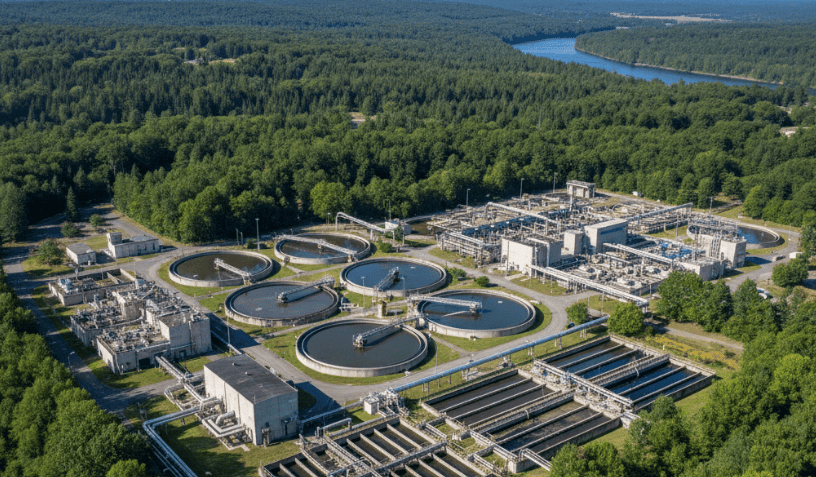
Caustic soda, chemically known as sodium hydroxide (NaOH), is one of the most widely used industrial chemicals globally, especially in water and wastewater treatment. Its strong alkaline nature makes it a key chemical for managing pH balance, facilitating contaminant removal, and enhancing treatment performance across municipal and industrial applications.
In this article, we explore the mechanisms, benefits, practical case studies, and scientific principles behind the use of caustic soda in water treatment processes, to help you improve process efficiency and compliance in your plant.
Caustic Soda and Its Impact on Efficient Water Treatment
Water treatment systems today must balance multiple outcomes: ensure safe, potable water, protect infrastructure from corrosion, comply with environmental regulations, and optimise operational costs. Achieving these goals hinges mainly on the effective control of water chemistry, particularly pH and ionic reactions. Without proper chemical balance, treatment processes become less predictable, less cost-effective, and more likely to lead to compliance challenges.
Caustic soda’s role in this context is not incidental; its application in water and wastewater treatment frequently determines the process stability and overall treatment performance.
Produced via the chlor-alkali process, where brine (sodium chloride solution) is electrolysed to yield sodium hydroxide, chlorine and hydrogen gas, caustic soda is produced as a strong alkaline base. It is typically supplied as solid flakes, pellets or concentrated solutions (commonly 20–50%) for ease of dosing and handling in treatment facilities.
By creating the correct chemical environment, caustic soda aligns water conditions with the optimal operating ranges for coagulation, disinfection, membrane performance, and biological treatment. In doing so, it plays a foundational role in improving the effectiveness, efficiency, and reliability of modern water treatment operations.
pH Adjustment: Foundational to Effective Treatment
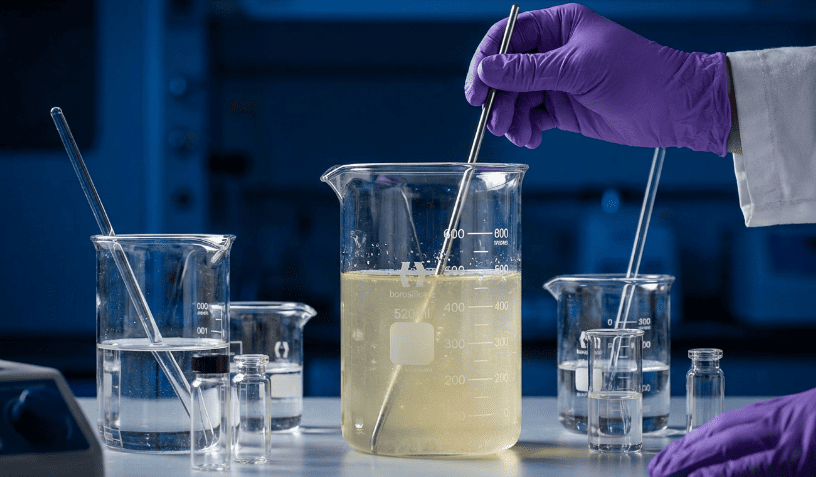
One of the primary functions of caustic soda in water treatment is pH adjustment and neutralisation of acidic streams. The pH level of incoming water from many industrial wastewaters (textiles, mining, battery manufacturing) and some natural water sources can be acidic due to dissolved acids or environmental pollution.
When pH falls outside the optimal range, treatment efficiency declines and operational risks increase. Acidic conditions reduce the effectiveness of many treatment chemicals and often accelerate corrosion in pipes, tanks, and processing equipment.
Caustic soda provides a precise and highly controllable solution. As a highly soluble alkali, it dissolves completely in water, releasing hydroxide ions (OH⁻) that react with hydrogen ions (H⁺) to bring pH into an optimal range — typically between 6.5 and 8.5 for most municipal and industrial processes.
This adjustment does more than correct acidity. By establishing stable chemical conditions, caustic soda protects equipment and enables downstream treatment stages, including coagulation, precipitation, and biological processes, to function predictably and effectively.
Enhancing Coagulation and Flocculation
In conventional water treatment, physical contaminants and colloids must be aggregated into larger particles that can settle out or be filtered. This is achieved through coagulation and flocculation, in which chemicals such as aluminium sulphate or iron salts neutralise particle charges. However, these reactions are highly pH dependent:
- If pH is too low, coagulants perform poorly,
- If pH is improperly controlled, flocs remain weak and difficult to remove.
By using caustic soda to raise alkalinity and stabilise pH, treatment plants can create ideal conditions for these coagulation reactions. Under these controlled conditions, coagulants can interact more effectively with suspended particles, resulting in larger, denser flocs and faster settling. This improvement in floc structure enhances the removal of suspended solids, turbidity and associated contaminants at earlier treatment stages. As a result, downstream filtration systems operate more efficiently, experience lower loading rates, reduced fouling, and more stable overall performance.
Improving Contaminant Removal
Beyond pH control, caustic soda directly supports the removal of contaminants through:
1. Heavy Metal Precipitation for Cleaner Water
Another critical function of caustic soda is in the removal of dissolved heavy metals. Common industrial contaminants such as lead, mercury, cadmium and chromium pose significant health and environmental risks. At alkaline pH values (typically pH 8–10), these metals react with hydroxide ions to form insoluble metal hydroxides that can be removed by sedimentation or filtration.
For example:
- Pb²⁺ + 2NaOH → Pb(OH)₂ ↓ + 2Na⁺
- Cu²⁺ + 2NaOH → Cu(OH)₂ ↓ + 2Na⁺
These precipitated compounds settle out of suspension, significantly lowering metal concentrations in treated water. This precipitation mechanism is particularly important in industrial effluent treatment, where heavy metals are prevalent, and discharge standards are stringent.
2. Water Softening and Scaling Reduction
Caustic soda also helps soften water by reducing hardness caused by calcium and magnesium ions. In these reactions, hydroxide ions react with hardness, causing ions to form insoluble precipitates such as calcium carbonate and magnesium hydroxide, which can be removed by filtration.
Hard water, if untreated, also leads to scale formation in pipes, boilers and cooling towers, reducing efficiency and increasing maintenance costs. Hence, the use of caustic soda in softening is an important step, reducing scale and improving the longevity and energy utilisation of equipment in water treatment.
3. Supporting Disinfection and Biological Processes
While caustic soda itself is not a disinfectant, its role in pH control directly affects the performance of disinfection agents such as chlorine. Chlorine’s antimicrobial effectiveness is highest in a slightly alkaline environment (near pH 7.5–8.5). When pH moves outside this window, disinfection efficiency can decline, leading to higher chemical consumption and an increased risk of unwanted by-product formation.
By ensuring pH remains within this range, caustic soda helps treatment facilities improve disinfection efficacy and reduce the formation of harmful byproducts like chloramines. This not only enhances microbial control but also supports regulatory compliance and downstream water quality.
Additionally, pH regulation is equally important in biological treatment systems that rely on bacteria to break down organic pollutants. These microorganisms also perform optimally within specific pH windows, often around neutral to slightly alkaline. As such, proper pH control with caustic soda supports a stable environment for biological activity for both the chemical and biological treatment phases of the water treatment process.

Case Example: Industrial Effluent Treatment in India
In India - a rapidly industrialising economy facing growing pressure on water resources - caustic soda has become a key chemical used in industrial effluent management. Treatment plants in sectors such as textiles, paper manufacturing, petrochemicals and power generation rely on caustic soda to neutralise acidic wastewater, manage corrosion, and promote the precipitation of contaminants before discharge into natural water bodies. These applications help facilities ensure compliance with increasingly stringent environmental regulations while reducing the risk of harm to downstream ecosystems.
Beyond its technical effectiveness, caustic soda is also widely adopted for its cost efficiency at scale. Compared to many alternative chemicals (such as lime or soda ash), caustic soda offers faster reactivity, easier dosing control, and more predictable performance. Industries adopting caustic soda for pH control and contaminant removal often report reduced chemical inventory complexity and improved overall treatment consistency - contributing to greater operational reliability in high-volume environments.
Supporting Advanced Filtration Systems
In advanced water treatment systems, such as reverse osmosis (RO) or ultrafiltration (UF), system performance is closely tied to the membrane condition. Over time, organic deposits or biofilms that accumulate on membrane surfaces can drastically reduce performance by restricting flow and reducing separation efficiency. Left unmanaged, membrane fouling would increase energy consumption, shorten membrane lifespan, and drive up operating costs.
Caustic soda plays a vital role in membrane maintenance programmes. Warm alkaline cleaning solutions formulated with caustic soda are commonly used in membrane cleaning to dissolve organic matter and restore membrane permeability and operating flux. This maintenance role not only extends membrane life but also maintains system effectiveness for consistent and reliable performance over long-term operations.
Safety, Handling and Best Practice Considerations
While caustic soda offers clear performance and efficiency benefits, its use requires careful system design and controlled handling. As an extremely corrosive chemical that releases heat when diluted, caustic soda must be handled in a way that protects both equipment integrity and operational safety.
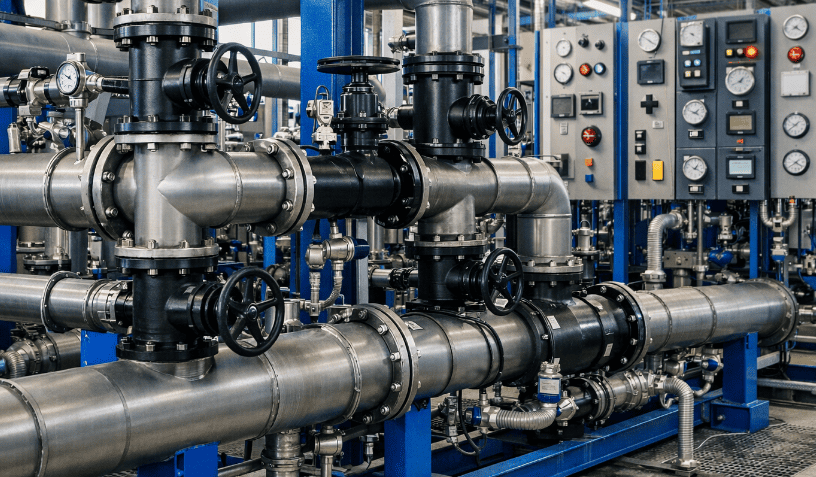
In well-designed treatment facilities, this typically involves the use of compatible storage and dosing materials, such as selected grades of carbon steel or high-density polyethylene, alongside staged dilution or cooling measures where concentrated solutions are handled. Process safeguards, including automated interlocks and controlled dosing systems, help prevent over-addition and minimise rapid pH fluctuations that can destabilise downstream treatment stages.
Increasingly, these safeguards are integrated with real-time pH monitoring and closed-loop control systems. By continuously aligning chemical dosing with live process conditions, plants can reduce manual intervention, improve consistency, and support ongoing optimisation of chemical usage across their water treatment operations.
Conclusion — Practical Value for Industrial Water Treatment
Caustic soda’s role in water treatment extends far beyond simple pH adjustment. Its alkaline strength, solubility and chemical versatility make it a key element to processes such as coagulation, flocculation, heavy metal removal, and biological system optimisation. For manufacturers, industrial facilities, and plant operators, understanding how caustic soda integrates with existing treatment stages can unlock operational efficiencies, cost savings, and regulatory compliance such as:
- Facilitates compliance with environmental standards
- Improves contaminant removal efficiency
- Reduces infrastructure corrosion and scale formation
- Supports advanced filtration and cleaning regimes
Applied thoughtfully, with appropriate automation and safety protocols, caustic soda helps optimise water quality management from raw inflow to final discharge, as water treatment challenges evolve, particularly in the face of urbanisation and industrial growth.