Formalin, an aqueous (water) solution of formaldehyde, typically contains approximately 37% formaldehyde and 15% methanol as a stabiliser. Though often associated with biological preservation, its true industrial significance extends far wider. It is a key chemical that fuels many manufacturing processes, from construction materials to oil and gas extraction. But what makes formalin so indispensable? And how do recent innovations and case studies shed light on its evolving role in modern manufacturing?
The Backbone of Industrial Chemistry
Globally, about 26 million tonnes of formaldehyde is produced annually. Formaldehyde itself is a simple, reactive aldehyde gas, but when dissolved in water, it becomes a versatile feedstock for countless chemical reactions. Modern manufacturing relies heavily on formalin because it serves as a raw material for producing resins, plastics, adhesives, and coatings — all essential components in everyday products.
Key uses of formaldehyde
- Creation of formaldehyde-based resins, like Urea-formaldehyde, phenolic, and melamine resins: adhesives that bind wood particles and fibres, enabling manufacturers to transform sawdust, wood shavings, and other byproducts into durable particle boards and laminates.
- Polyoxymethylene plastics, used in automotive and mechanical parts.
- Intermediates like 1,4-butanediol and methylene diphenyl diisocyanate, central to polyurethanes and paints.
These synthetic resins and materials underpin products everywhere, from construction materials to cosmetics. In textiles, formaldehyde-based resins also offer wrinkle resistance. In mining and oil and gas, it further serves as a corrosion inhibitor and water-treatment agent.
Formalin in Action: Case Studies from Industry
Case Study 1: Formalin in Mining, Oil, and Gas
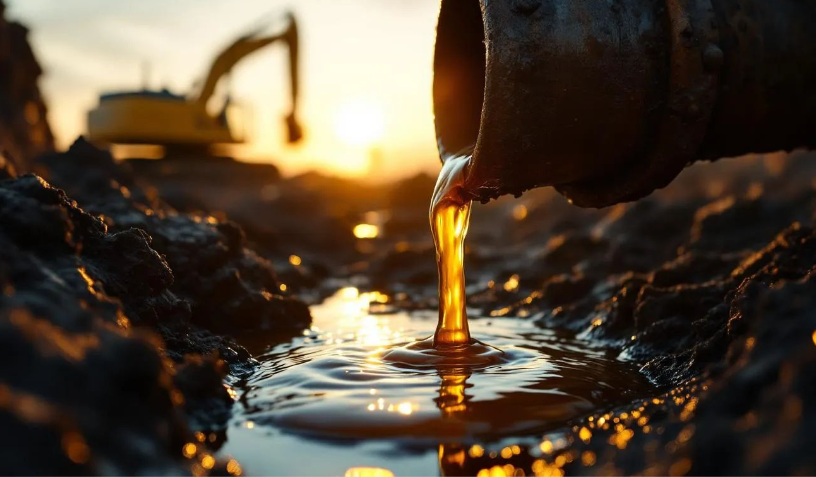
One of the most significant uses of Formalin is to prevent microbial growth in the large volumes of water used for drilling muds and fracking fluids. This is mainly due to Formalin’s effectiveness as a biocide, helping to control microbial growth and maintain fluid stability under harsh underground conditions. This is an important role as bacteria can cause a variety of problems in oil and gas operations, including:
- Bioclogging: Microorganisms can form biofilms that clog wellbores and pipelines, inhibiting gas or oil extraction.
- Microbially Induced Corrosion (MIC): Some bacteria produce corrosive substances, like hydrogen sulfide (H2S), which can damage equipment, pipes, and infrastructure.
- Reservoir Souring: The production of H2S can also "sour" the natural gas or oil, making it less valuable and requiring additional treatment.
Case Study 2: Formalin Preserves Tissue - The Science Behind Fixation
At its heart, formalin fixation is a chemistry in action. When tissues are immersed in formalin, the formaldehyde quickly penetrates the specimen. But penetration is just the first step. The real reaction happens when formaldehyde latches onto the proteins inside cells, especially the amino acids, it stops enzymatic decay and starts building little bridges - cross-links that lock everything in place. Think of it like a molecular scaffold - not too tight, not too loose - just enough to keep the cell’s shape and structure intact, inside and out.
But it turns out, how long you let the tissue soak in formalin makes a difference - especially when you're trying to detect specific proteins using immunohistochemistry (technique that uses antibodies to detect proteins in tissues). One research team tested different fixation times and found something interesting: tissues fixed for less than six hours retained immunoreactivity (kept their ability to bind to antibodies well). But going beyond that - 16 to 20 hours – the antibody binding loses its effect. However, there is a solution: Turning up the temperature during fixation and the heat helps preserve immunoreactivity.
In another study, scientists worked with pig eyes (because they're structurally similar to human eyes) and looked at what happens after 24 hours in formalin. Surprisingly, the tissue barely changed - just about a 1% shift in size and shape. And for eye tissue, where even a tiny distortion can misled and precision is essential, it showed that even with longer fixation, formalin keeps things stable and predictable.
All of this matters more than it might seem. For pathology labs, knowing how long and at what temperature to fix tissue isn’t just science, it’s strategy. The right balance means better preserved samples, clearer test results, and faster turnaround for patients waiting on answers. Small tweaks in the lab can lead to big wins in care.
The Human Element: Safety and Regulation
Formalin’s role in manufacturing is extensive but it’s not without its downsides. For workers working with this chemical daily, safety is a serious concern. Exposure to formalin can irritate the skin, cause respiratory problems and even long-term health effects. In fact, studies looking at people in jobs like embalming and funeral services have found a higher risk of certain cancers, underscoring the need for protective protocols.
Today, formalin production isn’t just about chemistry - it’s about control. Modern formalin production plants are built with advanced pollution control filters, real-time air quality monitoring, and workers trained not just to use the tools, but to protect themselves while using it. A good example is Anguil Environmental Systems, Inc’s catalytic oxidizer system that reduces toxic emissions by up to 99% and here’s the interesting innovation - it reuses the heat it generates to pre-warm incoming gases. That means no extra fuel is needed during regular operation. It’s clean, efficient, and cost-effective.
Conclusion: Formalin’s Enduring Industrial Legacy
Formalin is more than a laboratory preservative; it is a vital industrial chemical underpinning modern manufacturing, construction, and even energy. It helps keep drilling muds and fracking fluids free from microbial growth, and in hospitals, it preserves tissue samples so doctors can diagnose without delay. And while its uses are wide-ranging, what’s just as important is how it’s evolving. Thanks to cleaner production methods and smarter emission controls, formalin is becoming safer to use, not just for the planet, but for the people working with it every day.
By merging traditional chemistry with technology, and environmental responsibility, the industry shows that even legacy chemicals can evolve toward a safer and greener future.
About Masda Chemical
Masda Chemical is a well-established company headquartered in Singapore. It operates primarily as an importer, exporter, and stockist of food ingredients and industrial chemicals. Representing a group of manufacturers and trading organisations known for their high-quality products, the company caters to diverse, specialised needs across multiple industries in the Asia-Pacific region. Its extensive network includes sales offices in China, Indonesia, Malaysia, Thailand, and Vietnam, enabling efficient service and regional reach.