
This article explains the science behind maltodextrin, how it is produced, whether it contains gluten, and what research and regulatory guidance say about its safety for gluten-free diets.
What Is Maltodextrin?
Maltodextrin is a carbohydrate derived from starch that is partially broken down into shorter sugars through a process called hydrolysis.
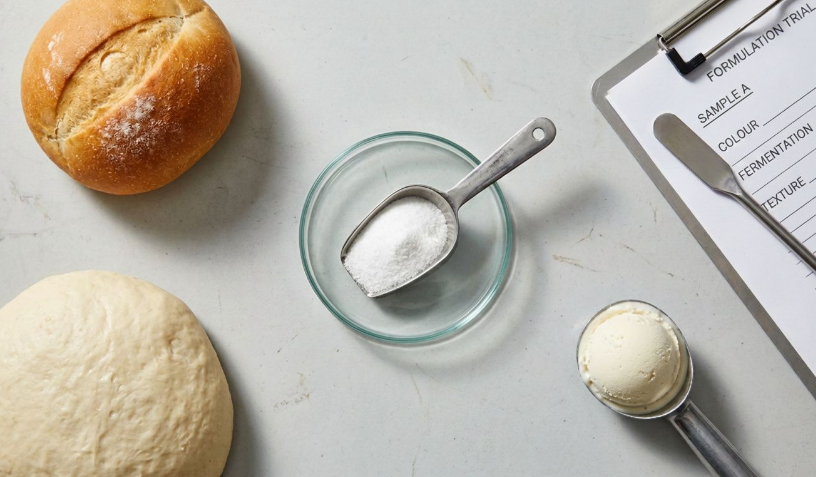
It appears as a white powder that dissolves easily in water and has a mild, slightly sweet flavour, making it useful in food products as a thickener, stabiliser or bulking agent. Maltodextrin is not a protein — it consists only of chains of glucose molecules and therefore does not structurally resemble gluten, which is a specific protein found in wheat, barley and rye.

How Is Maltodextrin Made?
Maltodextrin is manufactured from plant starch through enzymatic and/or acid hydrolysis that breaks large starch molecules into shorter glucose chains. This results in a highly soluble carbohydrate suitable for a wide range of food applications.
Typical starch sources for maltodextrin include corn (maize), rice, potato, tapioca and sometimes wheat starch.
Because processing isolates and breaks down the carbohydrate portion and removes proteins, the resulting maltodextrin product contains minimal or no gluten protein even when the initial raw material contains starch.
Why Protein Removal Is Critical?
During maltodextrin production, purification steps such as filtration, centrifugation and carbon treatment are used to remove residual non-carbohydrate components, including proteins. This means that gluten proteins present in starch from sources such as corn, potato, rice, tapioca do not survive the industrial processing stages in a measurable form.
Food safety associations further note that even when wheat is the source raw material, maltodextrin is chemically transformed, and the finished maltodextrin is distinct from wheat starch and does not behave biologically like gluten when consumed.
What is Gluten — And Why It Matters?
Gluten refers to a group of naturally occurring proteins, a protein complex - specifically the gliadin and glutenin proteins found in wheat and related grains. These proteins give dough its characteristic elasticity, but they are also the compounds that trigger an autoimmune reaction in people with coeliac disease or gluten sensitivity. In affected individuals, gluten consumption can lead to intestinal inflammation, impaired nutrient absorption, and a wide range of systemic symptoms.
Maltodextrin, by contrast, is not a protein but a carbohydrate. As such, it does not contain the protein structures of gliadin, glutenin, or other protein fractions associated with wheat, and therefore does not trigger the same immune responses associated with gluten intake.
Is Maltodextrin Legally “Gluten Free”?
Food regulatory bodies such as those in the United States, European Union, and United Kingdom use an international standard that defines gluten-free foods as containing less than 20 parts per million (ppm) of gluten protein.
Because maltodextrin contains little to no protein after processing, it generally falls well below this threshold, making it eligible for a permanent exemption from mandatory allergen labelling even if derived from wheat.
Internationally, the AOECS (Association of European Coeliac Societies) Crossed Grain Trademark uses the same 20 ppm limit and requires robust gluten‑management controls from raw material sourcing through to storage and cleaning, offering an additional quality mark for brands targeting gluten-free markets.
This regulatory designation is important because it is supported by clinical studies demonstrating that gluten amounts below 20 ppm are unlikely to cause intestinal injury in most people with coeliac disease or gluten sensitivity.
Maltodextrin: Why the Name Causes Confusion
Despite the scientific consensus, confusion persists because the word “malt” in maltodextrin is typically associated with malted barley – a non-gluten ingredient. Yet, despite this association, maltodextrin is not the same as malt extract or maltose, nor does its name imply the presence of gluten.
Certain advocacy groups emphasise that although gluten is removed, highly processed starches like maltodextrin may have other metabolic or gastrointestinal effects, especially for people with highly sensitive digestive systems. While these symptoms are often not related to gluten, they may instead relate to other factors such as:
- Its effect on blood glucose due to its high glycaemic index.
- Alteration of gut microbiota balance.
- Sensitivities unrelated to gluten per se.
- These effects are separate from gluten intolerance and do not make maltodextrin inherently unsafe for gluten-free diets.

Maltodextrin in Personal Care Products
Maltodextrin also appears in cosmetics and personal care products as a texture enhancer and stabiliser. Since gluten cannot be absorbed through the skin, there is no risk of a digestive immune reaction from topical exposure.
For individuals with coeliac disease, this provides reassurance that products such as creams, lotions, and cosmetics containing maltodextrin do not pose a dietary risk. Concerns about gluten exposure from non-food applications often stem from misunderstandings about exposure pathways. Coeliac disease is triggered by ingestion, not skin contact, and maltodextrin used in topical formulations does not enter the digestive system.
Case Studies: Practical Industry Insights
1. Ingredient Databases and Gluten-Free Product Composition
An analysis of gluten-free products in Spain found that cereals and modified starches, including maltodextrin, are common components of gluten-free formulations. This demonstrates industry reliance on maltodextrin for functional performance in products that meet gluten-free criteria.
While this study did not directly test the gluten content in maltodextrin itself, the prevalence of these carbohydrate ingredients in gluten-free systems reflects their acceptance and functional value for texture, moisture control and processing performance.
2. Consumer Food Testing and Gluten Contamination
A 2025 study in the Foods journal evaluated gluten contamination in products marketed as gluten-free. Although most products met the <20 ppm standard, a non-negligible portion contained higher levels, highlighting that compliance and testing are distinct from the inherent gluten status for ingredients. Manufacturers must still verify end-product gluten levels to confirm a gluten-free claim.
This underscores that cross-contamination in production facilities poses a more significant risk than the intrinsic gluten content of maltodextrin itself.
Formulation choices and consumer communication
Although wheat-based maltodextrin is legally gluten-free when produced to standards, many manufacturers choose to source their maltodextrin from non-wheat starches, such as corn, potato, or rice-based grades, when targeting coeliac or “free from” shoppers. Corn-derived maltodextrin, for example, is widely used in the United States and is inherently gluten-free without additional qualification. In contrast, wheat-derived maltodextrin - although still considered gluten-free when produced correctly - can raise questions among sensitive consumers.
Clear labelling plays a vital role in reducing confusion: distinguishing between “maltodextrin” and ingredients that genuinely contain gluten-forming proteins. This would help both retail buyers and technical teams interpret product specifications accurately and avoid confusion when explaining that maltodextrin is a refined starch with minimal residual gluten.
Some companies take an extra step by seeking independent gluten-free certification from programmes such as the Crossed Grain Trademark or equivalent gluten-free seals. This certification requires accredited laboratory testing and ongoing quality control of ingredients and production processes. This recognition provides further reassurance to consumers and technical buyers alike, signalling that both formulation and supply chain practices have been audited to meet stringent standards.

Conclusion: Yes — Maltodextrin Is Gluten-Free in Practice
From a scientific and regulatory standpoint, maltodextrin is generally considered gluten-free, even when derived from wheat, because processing removes gluten proteins and isolates carbohydrate structures that do not trigger immune responses associated with gluten intolerance. The internationally accepted <20 ppm gluten threshold further supports its use in gluten-free foods when verified by testing.
For food manufacturers and ingredient buyers, this means maltodextrin can be confidently used in gluten-free formulations as a carrier, bulking agent and texture modifier in food and beverages, provided that:
- It is sourced and tested to meet gluten-free standards;
- Production controls mitigate cross-contact risks; and
- Finished products are validated through recognised analytical methods.
With careful sourcing, documentation, and technical support on regulatory labelling, maltodextrin remains a functional and acceptable ingredient, translating science into market-ready formulations for gluten-free product development.